Seismic Considerations for Shade Structure Wood Polymer Composite
Seismic Considerations for Shade Structure Wood Polymer Composite
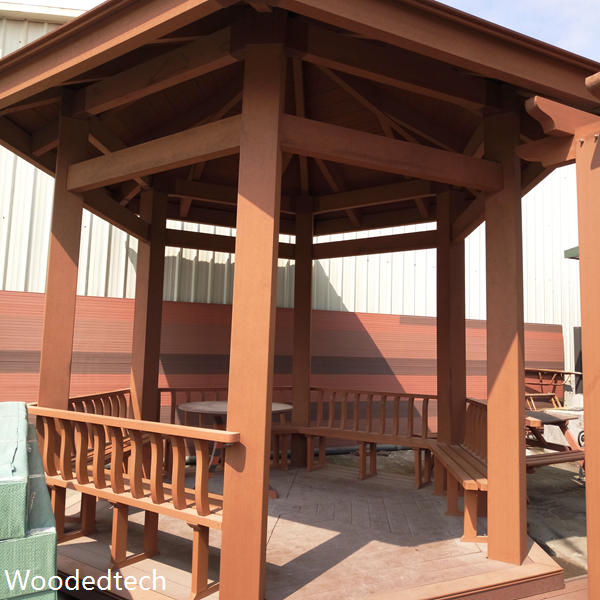
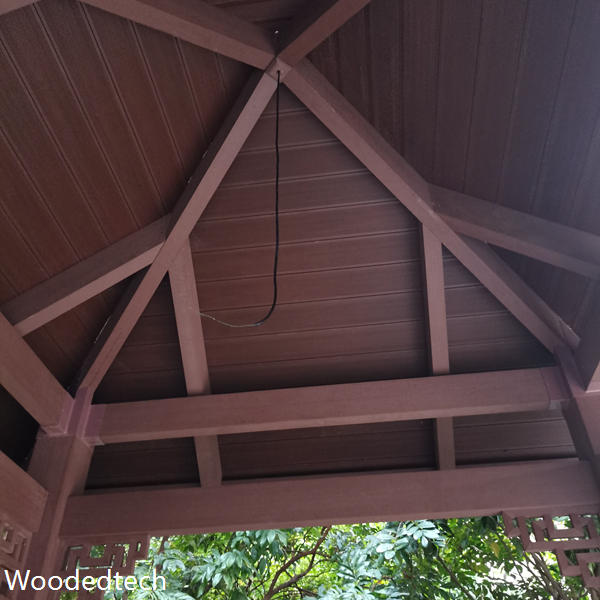
The development of shade structures using wood polymer composites (WPC) has gained significant attention, particularly in regions prone to seismic activity. This innovative material combines the natural aesthetics and strength of wood with the durability and weather resistance of polymers, resulting in a product that meets both functional and aesthetic demands. The high-temperature and high-pressure manufacturing process employed in producing these composites plays a crucial role in ensuring their quality and performance, particularly in seismically active areas.
The manufacturing process of WPC starts with the careful selection of raw materials, which typically include wood fibers and thermoplastic polymers. These materials are subjected to a rigorous high-temperature, high-pressure process that facilitates the bonding of wood fibers with the polymer matrix. This process not only enhances the physical properties of the composite but also significantly improves its structural integrity, making it suitable for applications in regions where seismic forces are a concern.
One of the primary advantages of using high-temperature and high-pressure techniques is the ability to achieve a uniform dispersion of wood fibers within the polymer matrix. This uniformity is essential for maximizing the mechanical properties of the composite. When fibers are evenly distributed, the resulting WPC exhibits enhanced tensile strength, flexural rigidity, and impact resistance. These properties are particularly important in seismic zones, where structures must withstand dynamic loads caused by earthquakes.
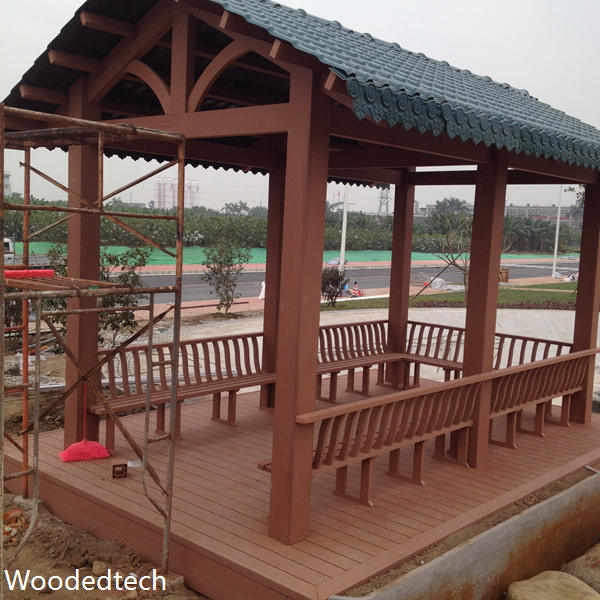
Moreover, the high-pressure aspect of the manufacturing process contributes to the density of the composite material. A denser composite can better resist deformation under load, which is a critical factor in seismic design. Structures that can maintain their form and integrity during seismic events are less likely to suffer catastrophic failure, thereby ensuring the safety of occupants and minimizing potential damage to property.
In addition to mechanical performance, the thermal and moisture resistance of WPC produced through this advanced manufacturing process is significantly improved. The combination of wood and polymer makes the composite less susceptible to issues such as warping, splitting, or rotting, which can compromise structural integrity. This durability is particularly advantageous in climates that experience heavy rainfall or extreme temperatures, as well as in areas with high seismic activity where structures are at risk from both environmental and seismic stresses.
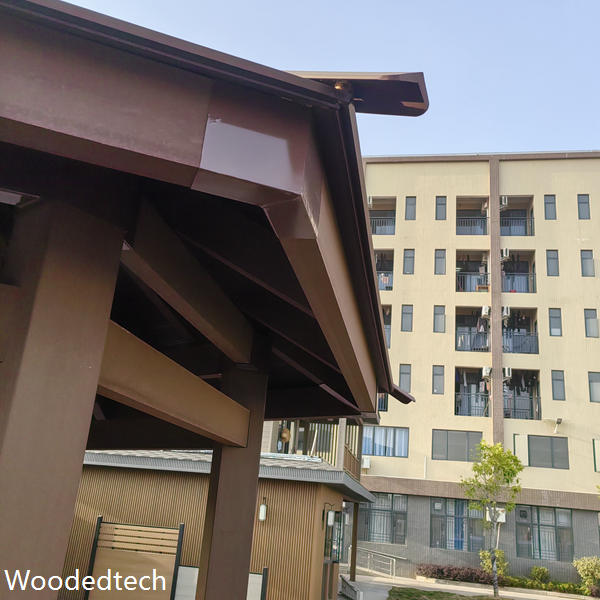
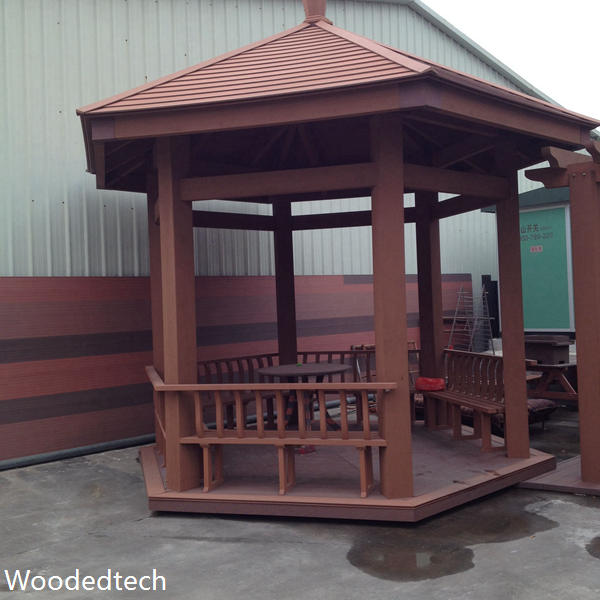
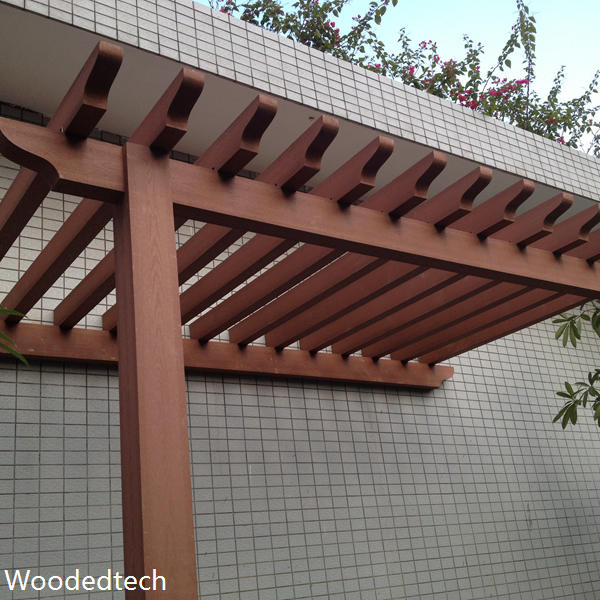
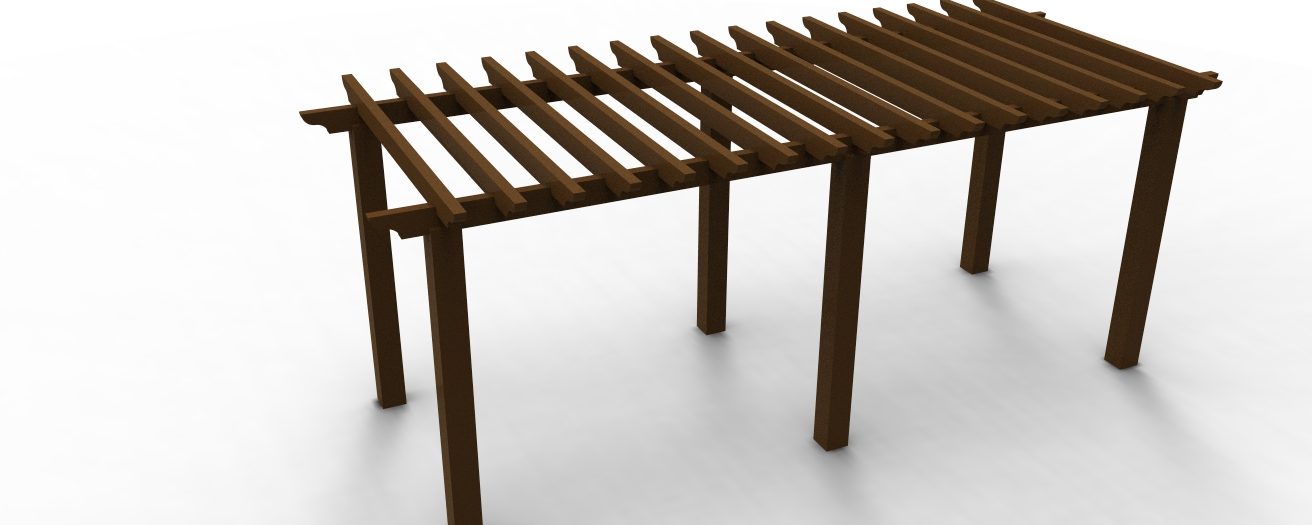
The aesthetic versatility of wood polymer composites also makes them an attractive choice for shade structures. Available in a variety of designs, colors, and finishes, these materials can be seamlessly integrated into various architectural styles. The ability to personalize the appearance of shade structures while maintaining high performance is a significant benefit for architects and builders alike. This versatility allows for the creation of visually appealing outdoor spaces that provide essential protection from the sun while ensuring safety and durability.
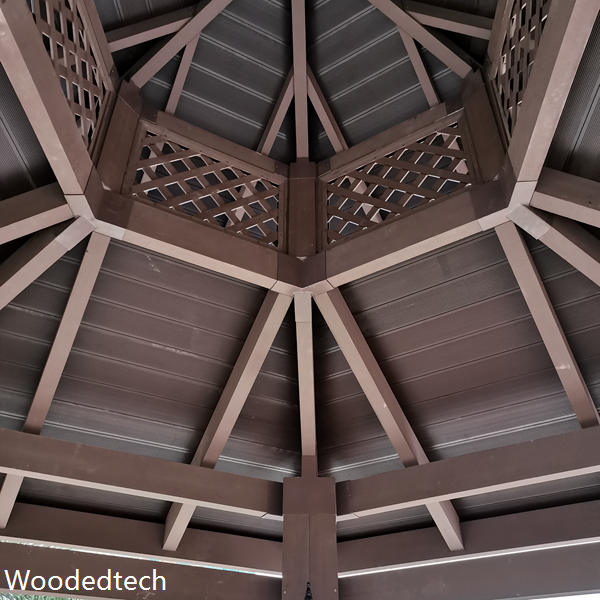
When considering seismic design principles, it is essential to recognize the importance of weight distribution and the overall structural framework. WPC shade structures can be designed with a low center of gravity, which enhances stability during seismic events. The lightweight nature of the composite also means that less foundational support is necessary, allowing for more economical designs without compromising safety. The combination of lightweight materials and strong structural performance makes WPC an ideal choice for seismic applications.
Furthermore, ongoing research and development in the field of wood polymer composites continue to enhance their properties and performance. Innovations in additives and manufacturing techniques are leading to even stronger and more resilient materials. As these advancements are implemented, the potential applications for WPC in seismic-prone areas will expand, offering even more robust solutions for shade structures and other architectural elements.
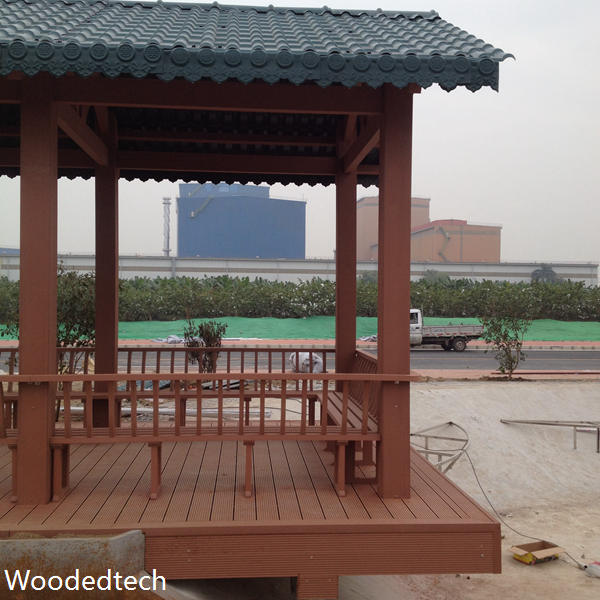
Environmental considerations are also important in the discussion of wood polymer composites. The use of recycled materials in the production of WPC aligns with contemporary sustainability goals. By utilizing waste wood fibers and recyclable polymers, manufacturers can create products that not only contribute to reducing landfill waste but also promote eco-friendly construction practices. This sustainability aspect, combined with high performance in seismic conditions, makes WPC a compelling choice for modern architectural projects.
The ongoing evolution of manufacturing processes for wood polymer composites, particularly the high-temperature and high-pressure techniques, underscores the potential of these materials in constructing durable and aesthetically pleasing shade structures. With their enhanced mechanical properties, moisture resistance, and design versatility, WPCs are poised to become a staple in the construction of outdoor structures, especially in regions susceptible to seismic activity. By embracing these innovative materials, architects and builders can ensure that their designs not only meet aesthetic and functional requirements but also adhere to the stringent safety standards necessary for seismic resilience.