Gestione dell'espansione WPC di Loggia Wood nei climi che cambiano
Comprendenza L'espansione WPC di Loggia Wood
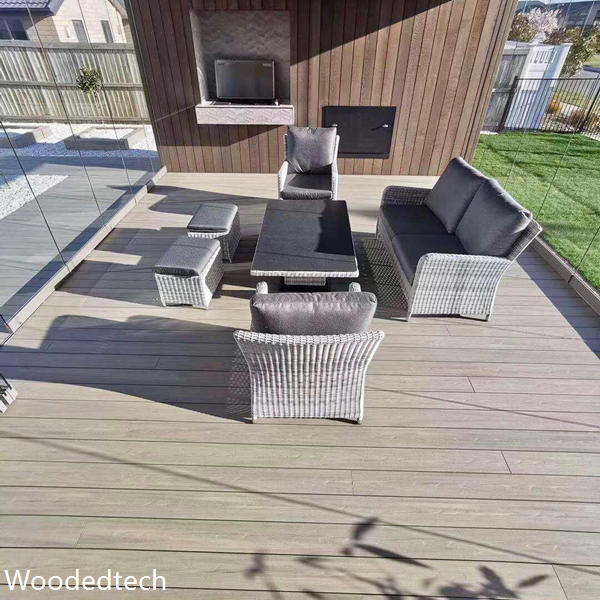
Il legno di Loggia WPC, che combina l'estetica naturale del legno con la durata della plastica, sta diventando un materiale preferito per le strutture esterne in vari climi.Tuttavia, una delle sfide chiave affrontate dai produttori e dagli installatori è la gestione dell'espansione di questo materiale composito, in particolare quando le temperature oscillano.WPC si espande e si contrae in risposta alle variazioni di temperatura e umidità, che possono portare a problemi strutturali se non adeguatamente contabilizzato durante le fasi di progettazione e installazione.
Quando si acquistano strutture WPC in legno di loggia dalla Cina, è essenziale per gli acquirenti internazionali capire queste caratteristiche.Il materiale si comporta in modo diverso rispetto al legno tradizionale, richiedendo un approccio su misura sia nella progettazione che nell'installazione per mitigare gli effetti dell'espansione.Fattori come il clima specifico della posizione di installazione dovrebbero essere attentamente considerati per garantire longevità e appeal estetico.
Considerazioni di progettazione per la variabilità climatica
Progettare strutture WPC in legno di loggia comporta più della semplice estetica; richiede una profonda comprensione di come il materiale reagirà in condizioni ambientali variabili.Le dimensioni dei componenti devono tenere conto della potenziale espansione.Ciò significa lasciare spazi vuoti appropriati tra i pezzi durante l'installazione per consentire il movimento senza compromettere l'integrità strutturale.
Per gli acquirenti internazionali, lavorare con i produttori che hanno esperienza nella produzione di sistemi modulari può migliorare in modo significativo il risultato finale.Questi sistemi possono essere pre-ingegnerizzati per accogliere le specifiche caratteristiche di espansione della loggia WPC in legno basato sulla posizione geografica prevista.Questo non solo aiuta a gestire il comportamento del materiale, ma garantisce anche che il processo di installazione sia efficiente ed efficace.
Tecniche di installazione per mitigare i problemi di espansione
Le tecniche di installazione adeguate sono fondamentali quando si ha a che fare con il legno di loggia WPC.Un metodo efficace è quello di utilizzare un sistema di fissaggio regolabile, che consente un certo movimento mentre il materiale si espande o si contrae.Questa flessibilità è fondamentale nei climi con significative variazioni di temperatura, in cui le installazioni rigide possono portare a deformazione o crepe nel tempo.
Inoltre, è consigliabile impiegare un team di installazione professionale che ha familiarità con i materiali WPC.La loro competenza può essere preziosa per garantire che le strutture siano installate con le opportune quote di espansione.Tale lucentezza può prevenire costose riparazioni o sostituzioni in futuro, rendendolo un investimento solido per gli acquirenti internazionali che cercano di procurarsi strutture esterne durevoli.
Controllo di qualità e selezione dei materiali
Quando si acquistano prodotti WPC in legno di loggia, il controllo di qualità durante il processo di produzione è della massima importanza.Garantire che il materiale sia stato trattato e lavorato correttamente può influire in modo significativo sulle sue proprietà di espansione.Gli acquirenti dovrebbero lavorare a stretto contatto con i produttori cinesi per informarsi sulle procedure specifiche di garanzia della qualità in atto.
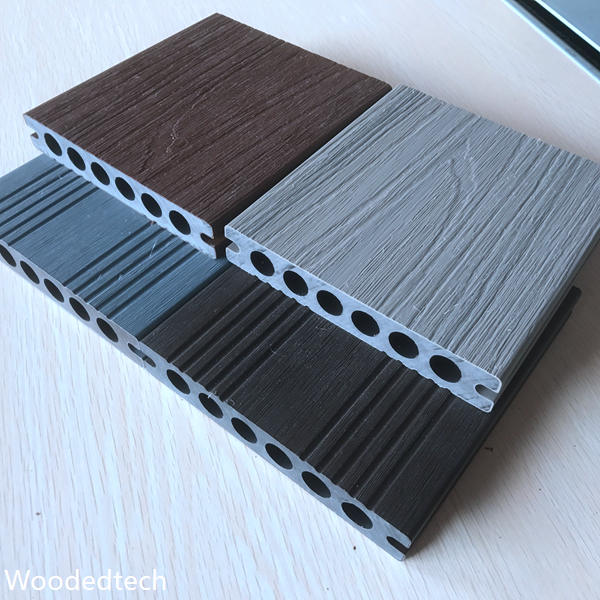
Inoltre, selezionare il giusto grado di legno di loggia WPC può influenzarne le prestazioni in vari climi.Diverse formulazioni possono offrire diversi livelli di resistenza all'espansione e alla contrazione, quindi la comprensione di queste differenze può aiutare gli acquirenti a prendere decisioni informate.Impegnarsi direttamente con i produttori per discutere di queste opzioni può portare a risultati migliori e a un prodotto più su misura.
Il ruolo del tempo e dell'ambiente nel Sourcing
Il clima locale svolge un ruolo fondamentale nel processo di approvvigionamento.Ad esempio, le aree con alti livelli di umidità possono richiedere WPC che è specificamente progettato per resistere all'espansione legata all'umidità.Gli acquirenti dovrebbero considerare questo aspetto quando selezionano fornitori e prodotti, assicurando che scelgono materiali in grado di resistere alle fluttuazioni prevedibili associate al loro clima specifico.
Lavorare con produttori cinesi rispettabili specializzati in WPC può fornire agli acquirenti l'accesso a prodotti progettati per sfide ambientali specifiche.Questo assicura che le strutture WPC in legno di loggia non solo soddisfano gli standard estetici ma anche funzionino in modo affidabile nel tempo, anche nei climi che cambiano.