Composite Railing Top Content That Answers International Buyer Questions
Composite Railing Tops Within a Coordinated Outdoor Design
A composite railing top influences both the appearance and everyday use of a terrace. As an outdoor WPC product designer, I treat its width, edge radius and colour as part of the wider architectural scheme, rather than as an isolated accessory. The profile should sit comfortably beside decking, wall panels and boundary fencing without making every surface look identical.
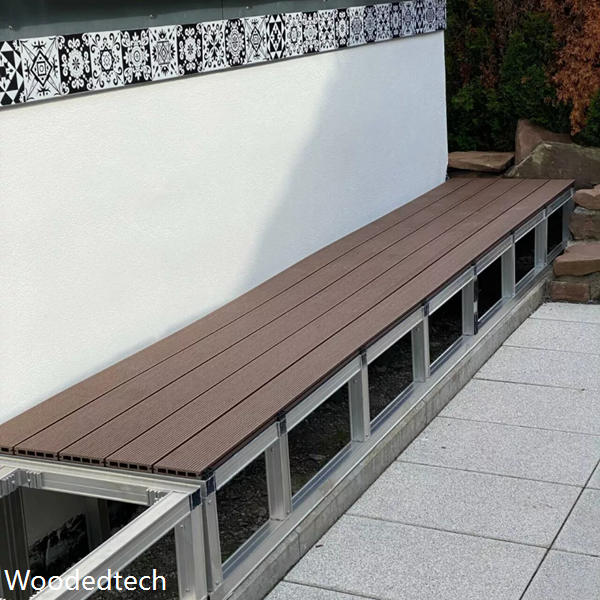
International buyers need to distinguish decorative components from structural elements. A WPC cap may cover an aluminium or steel support, while another system may use a specifically engineered composite profile. Neither appearance nor material thickness alone establishes suitability. Request drawings showing the complete assembly, fixing positions, support spacing and tested configuration, then check these against the destination market’s building requirements.
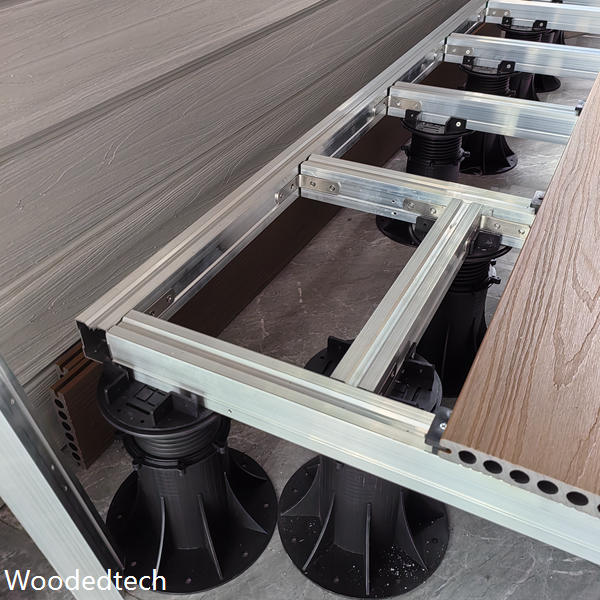
Colours and Textures That Connect Outdoor Surfaces
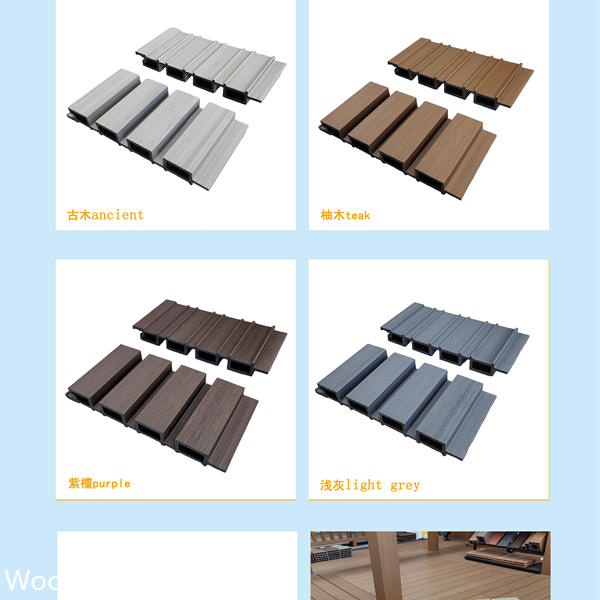
Contemporary palettes increasingly combine warm timber tones with restrained mineral colours. A walnut coloured railing top can soften charcoal posts, while pale oak decking can brighten a compact courtyard bordered by darker fences. Matching undertones matters more than matching product names: two suppliers may describe noticeably different colours as teak. Physical samples viewed together outdoors provide a more reliable basis for specification.
Texture should reflect contact and viewing distance. Deep embossing can give decking visual character, but a hand contact surface generally benefits from a finer texture and comfortable edges. On wall panels, narrow grooves create changing shadows that add depth without introducing another colour. Ask suppliers how finishes behave after weather exposure, since initial appearance does not establish resistance to fading, staining or surface wear.
Profiles That Balance Comfort, Drainage and Proportion
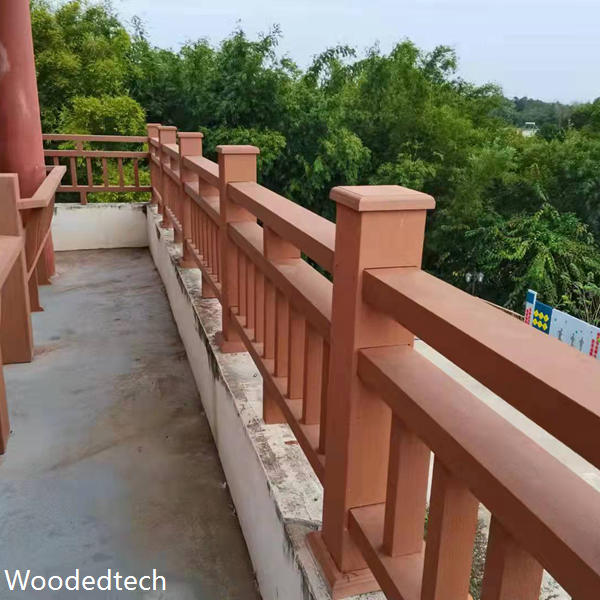
A broad, flat composite railing top creates a strong horizontal line suited to generous terraces and hospitality spaces. Slimmer profiles often work better on small balconies, where bulky sections can dominate the view. Rounded corners improve handling comfort, while junctions and end caps should avoid sharp edges. A wide cap must not be presented as seating unless the complete assembly is designed and verified for that use.
Drainage and movement details deserve equal attention. Water should not collect around fixings or enter cavities without a planned exit route. Profile geometry, installation temperature and material formulation influence expansion allowances, so generic gap dimensions are unreliable. Buyers should obtain product specific instructions covering joint clearances, fixing slots and permitted overhangs. For coastal projects, the suitability of metal fasteners and concealed supports also needs checking against expected exposure.
Modular Design Across Fences, Pergolas and Gazebos
Modular outdoor collections simplify visual coordination when they share compatible post dimensions, repeatable panel widths and a limited palette of finishes. A fence can echo the vertical rhythm of wall cladding, while a pergola repeats the railing’s horizontal lines overhead. Gazebos benefit from the same discipline: restrained profiles help the structure feel connected to the terrace rather than added as an unrelated feature.
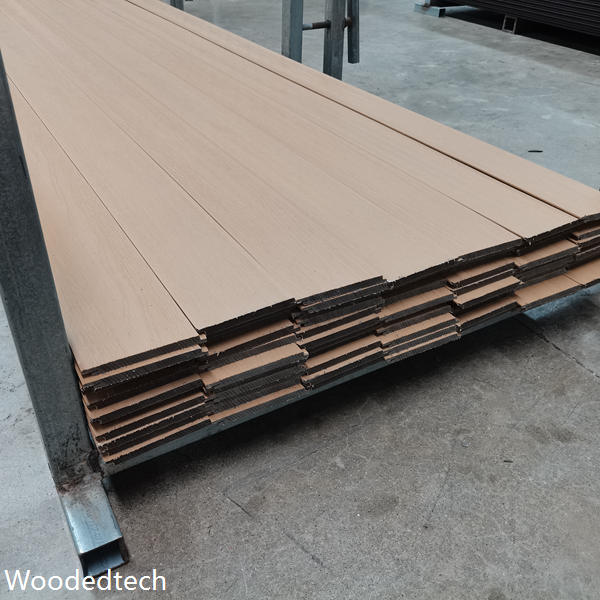
However, visual compatibility does not mean components are interchangeable. Pergola beams, gazebo roof supports and safety barriers have different performance demands. Composite sleeves may provide the desired finish around an independently designed frame. For OEM orders, drawings should identify which parts are decorative, which transfer loads and where reinforcement is required. Replaceable infill panels and accessible fixings can also make future repairs less disruptive.
Specifications That Support International Purchasing
A useful enquiry package combines design intent with measurable acceptance criteria. Specify the composite railing top dimensions, approved colour sample, surface finish, substrate arrangement and packaging method. Ask for tolerances on straightness and fit, along with evidence relevant to the proposed application. Any claims about fire performance, recycled content or weather resistance should identify the tested product and applicable method, not merely describe the supplier’s broader range.
Before a bulk shipment, assemble a representative section with posts, corners, end caps and adjoining boards. This reveals awkward joints, inconsistent gloss and installation access problems that individual samples can hide. Packaging should protect visible faces and vulnerable ends during transport, with clear batch identification for replacement orders. For landscape projects, retain approved samples and agree how future colour variation will be assessed. These practical decisions help preserve the intended relationship between railings, decking and surrounding structures throughout installation and maintenance.