Wood Composite Espalier Cost Comparison for Outdoor Projects
Understanding Wood Composite Espalier
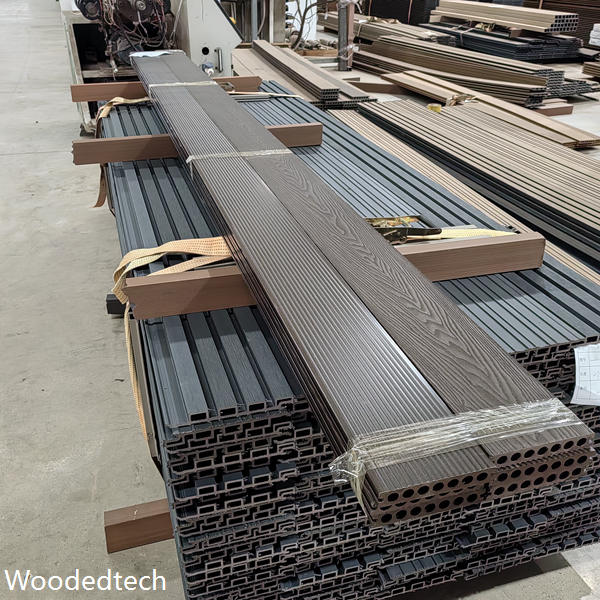
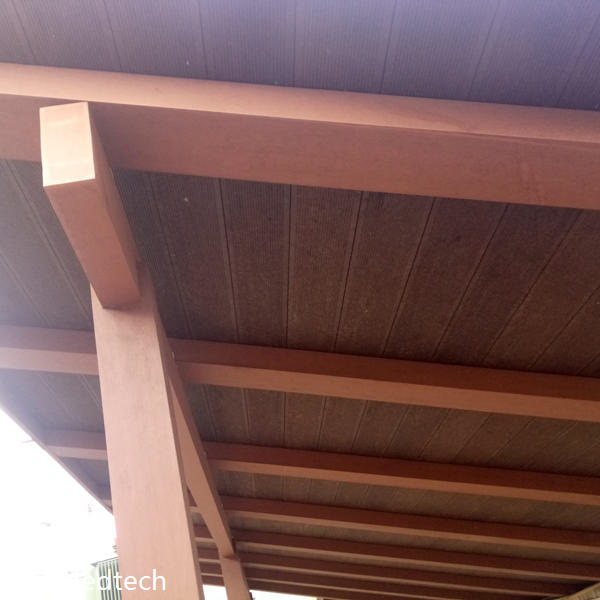
Wood composite espalier structures are gaining popularity among outdoor enthusiasts and landscape architects alike. These installations provide aesthetically pleasing support for climbing plants, creating vertical gardens that enhance outdoor living spaces. Made from a blend of wood fibres and plastic, wood composite offers resistance to decay, moisture, and pests, making it an ideal choice for various weather conditions. The strength and durability of this material ensure that it can withstand the test of time, making it a preferred option for international buyers seeking reliable outdoor structures.
One of the significant advantages of wood composite espalier is its low maintenance requirement compared to traditional wood materials. While natural wood may require regular staining and treatment to protect against UV rays and moisture, wood composites are designed to retain their appearance with minimal upkeep. This aspect is particularly appealing for buyers who are concerned about long-term costs associated with maintenance.
Factors Influencing Cost
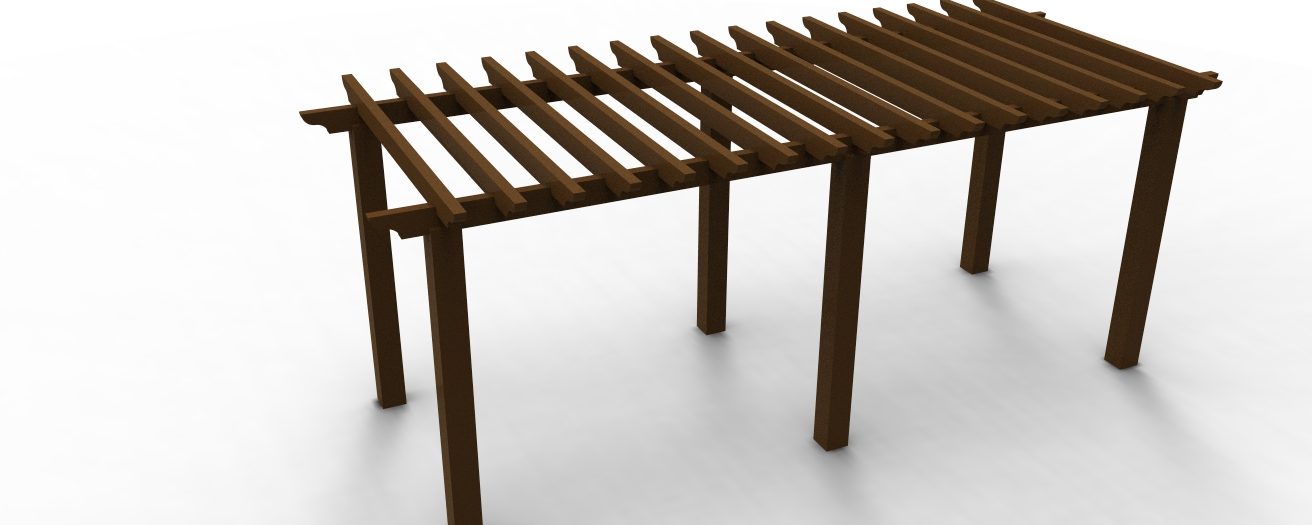
When assessing the wood composite espalier cost comparison, several factors come into play. The initial purchase price of the material is often the first consideration, which can vary significantly based on the supplier and the quality of the composite used. Other critical elements include shipping fees, import duties, and local installation costs. For international buyers sourcing from a manufacturer like WPC Pergola in China, understanding these factors is essential to accurately budget for their projects.
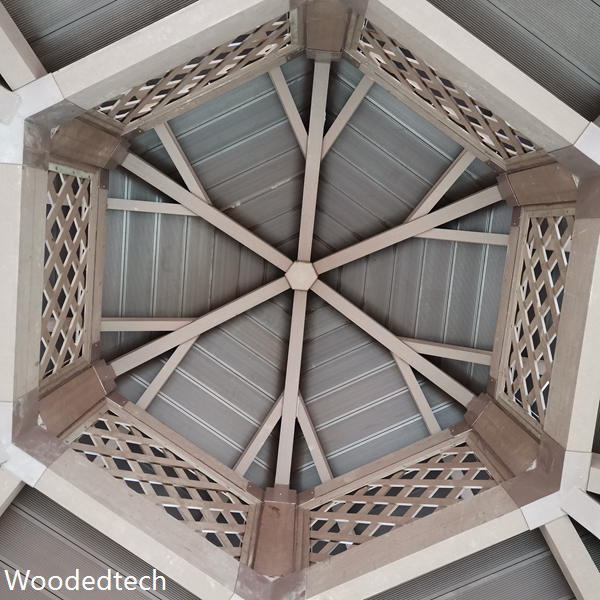
Additionally, the design complexity of the espalier can impact the overall cost. Custom designs or larger structures require more labour and materials, which can elevate expenses. Buyers should also consider the long-term savings associated with wood composite, as the lifespan and reduced maintenance will offset initial costs over time.
Comparative Analysis with Traditional Materials
In the wood composite espalier cost comparison, a significant point of discussion is the comparison with traditional wood options. While the initial cost of natural wood may seem lower, the hidden costs associated with maintenance and replacement can be substantial. Natural wood is prone to warping, splintering, and insect infestation, often necessitating early replacement or extensive treatment. In contrast, wood composites maintain their integrity far longer, leading to increased value over time.
Furthermore, the eco-friendly aspect of wood composites appeals to a growing demographic concerned with sustainability. Many wood plastic composites are made from recycled materials, providing an environmentally responsible alternative to traditional wood, which often contributes to deforestation. This factor can further influence purchasing decisions, as buyers look for products that align with their values.
Sourcing Wood Composite Espalier from China
For international buyers looking to source wood composite espalier, China presents a viable option due to its extensive manufacturing capabilities and competitive pricing. Companies like WPC Pergola have established themselves as leaders in the production and export of quality wood composite structures. It is essential for buyers to conduct thorough research when selecting a supplier, as the quality of materials can vary widely.
Establishing a direct line of communication with manufacturers can also streamline the sourcing process. Engaging in discussions about material specifications, design capabilities, and shipping logistics enables buyers to gain confidence in their investment. Additionally, many manufacturers offer modular systems that simplify installation, further reducing labour costs.
The Future of Wood Composite Espalier
The growing trend towards outdoor living spaces and garden design innovation suggests a bright future for wood composite espalier structures. As landscaping becomes increasingly important for enhancing property values and personal enjoyment, the demand for durable and attractive solutions is likely to rise. The versatility of wood composites allows for various applications, from residential gardens to commercial landscaping projects.
As technology advances, the production methods for wood composites are becoming more refined, leading to better quality products at lower costs. This evolution will ensure that wood composite espaliers remain an attractive option for buyers seeking to enhance their outdoor spaces without sacrificing quality or aesthetics. Keeping abreast of these developments will be important for international buyers looking to make informed decisions in their landscaping projects.