WPC Board Cost and Material Choices for Lasting Landscapes
Material Choices Shape Long Term Landscape Value
As the owner of an outdoor WPC manufacturing company in Guangdong, China, I have spent more than ten years helping contractors, designers, distributors and property developers select materials for demanding landscape projects. The first lesson is simple: the lowest quoted wpc board cost does not always produce the lowest project cost. A board must suit its climate, span, surface use, fixing system and expected service life. A suitable formulation can reduce replacement work, colour complaints and installation delays, even if its purchase price is higher.
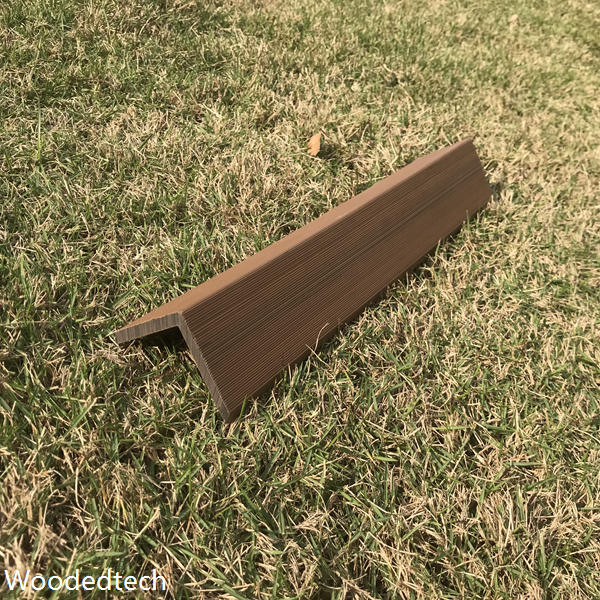
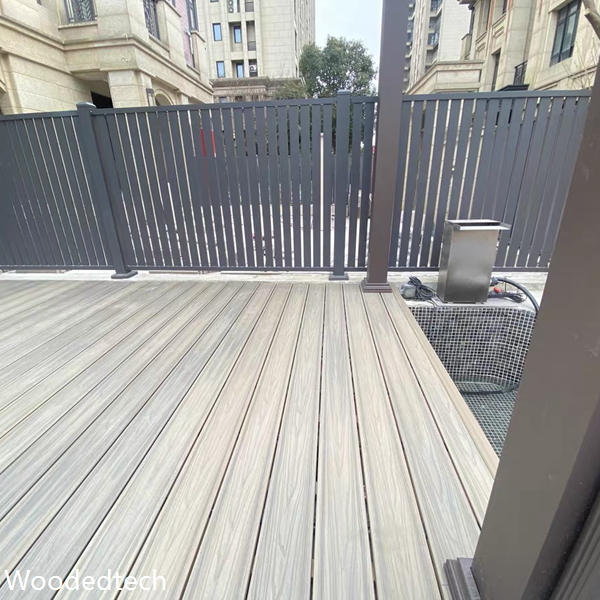
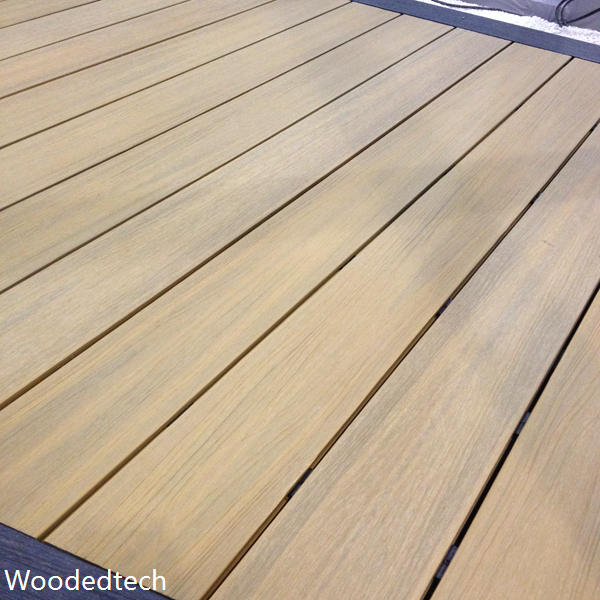
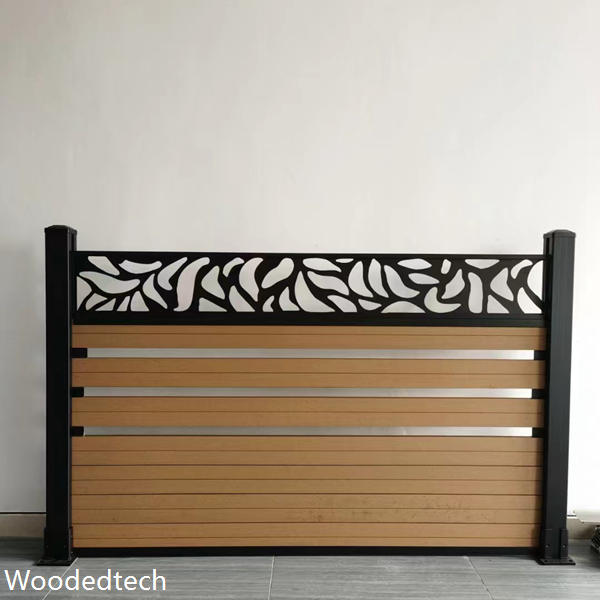
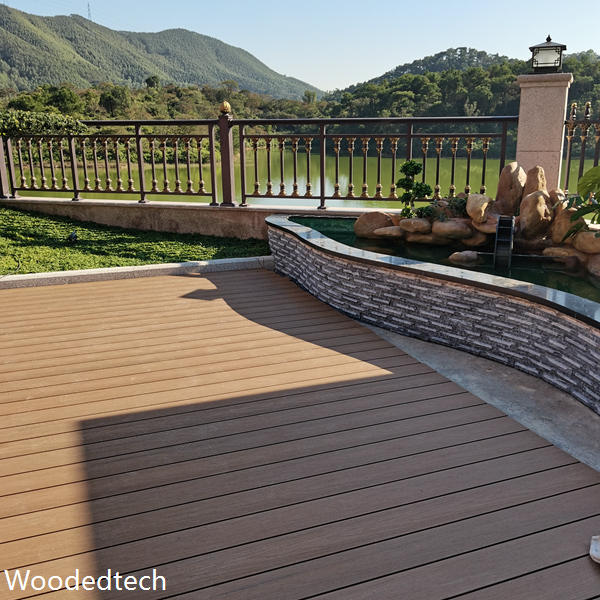
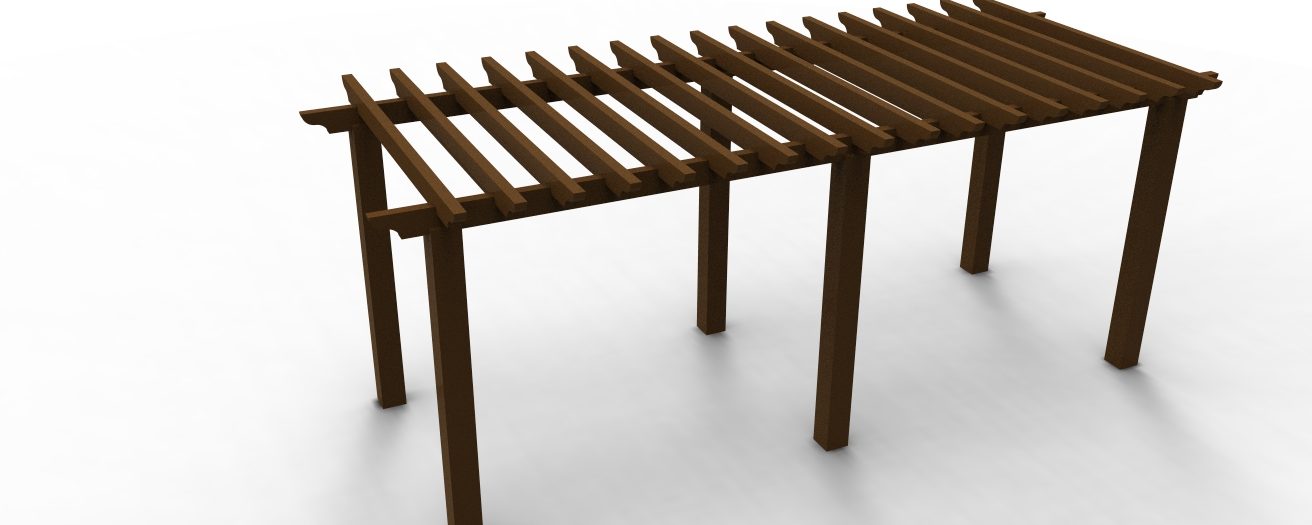
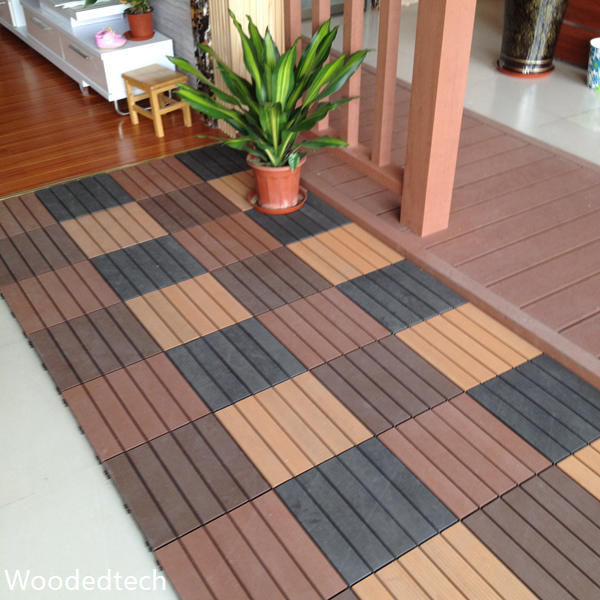
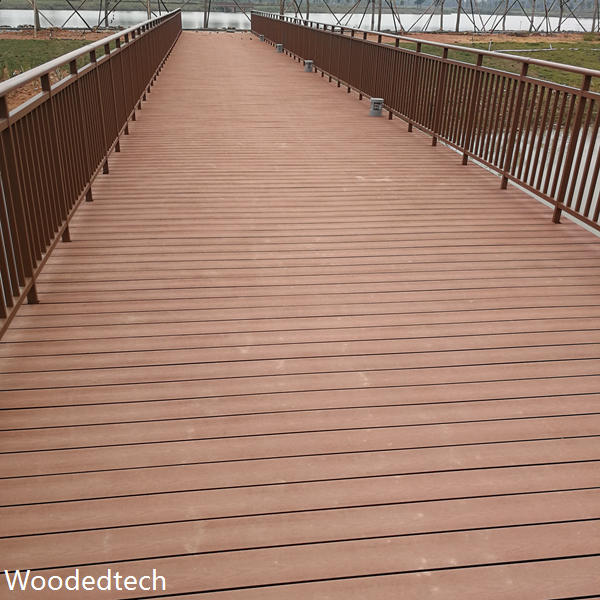
Our factory produces boards for garden paths, terrace platforms, pool surrounds, screens, seating, planter cladding and other outdoor applications. We assess wood fibre content, polymer type, additives, board density, profile structure and surface finish together. These decisions influence slip resistance, water absorption, thermal movement, screw holding and colour stability. A professional material selection process begins with the intended application rather than a catalogue price.
How WPC Formulation Affects Board Cost
Wood plastic composite boards generally combine processed wood fibre with a polymer such as HDPE, together with pigments, lubricants, stabilisers and other performance additives. The balance matters. Higher wood content can create a natural appearance and a pleasant texture, but it also demands careful moisture control during production. A higher polymer proportion may improve water resistance and dimensional consistency, while increasing raw material expenditure. Recycled inputs can support sustainability targets, but their source and preparation must be controlled.
Our production team checks incoming materials before compounding, including moisture level, particle size, polymer cleanliness and colour consistency. During extrusion, temperature, pressure and cooling speed are monitored because unstable processing can leave internal stress, surface marks or uneven density. We also test samples for water absorption, flexural strength, impact performance and colour appearance. These controls give customers a clearer relationship between wpc board cost and measurable performance instead of relying on appearance alone.
Factory Capabilities That Protect Outdoor Performance
Outdoor boards face ultraviolet exposure, rain, humidity, temperature changes, furniture loads and repeated foot traffic. Guangdong offers valuable manufacturing experience in these conditions because the local climate is hot and humid for much of the year. Our factory uses this environment as a practical reference when reviewing formulations and production settings. We pay close attention to capstock quality, surface embossing, edge accuracy and the consistency of each batch.
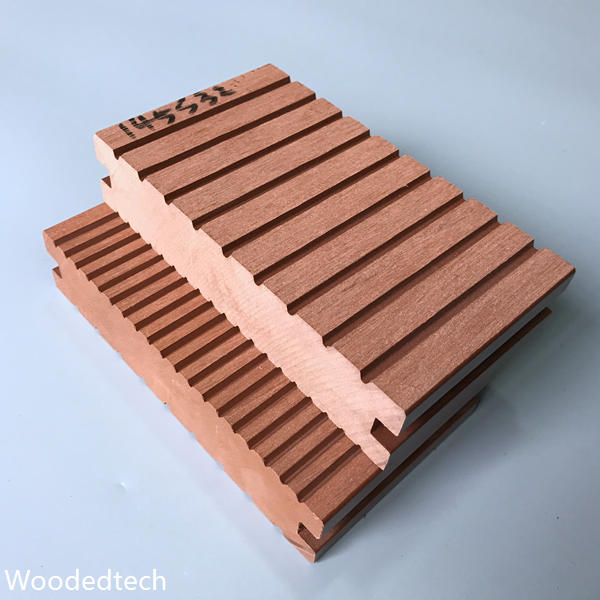
For projects requiring improved stain resistance, stronger colour retention or a more refined wood grain, we can recommend co-extruded structures and suitable surface treatments. Hollow and solid profiles have different advantages. Hollow boards can reduce weight and material usage, while solid boards provide greater mass and may suit heavy-use areas or visible end cuts. We help customers compare these options against span requirements, transport costs and installation methods before approving a product.
Installation Details Influence the Real Project Budget
A board can perform well in the factory and still fail on site if the substructure or fixing method is unsuitable. Installers need accurate joist spacing, adequate ventilation, correct expansion gaps and fasteners compatible with the board and supporting frame. Poolside and coastal projects may require stainless steel fixings with better corrosion resistance. A poorly prepared base can cause movement, standing water and premature surface wear, adding labour costs that are unrelated to the original board quotation.
We provide installation guidance, profile drawings, packing details and technical support for distributors and project teams. Our engineers can review unusual spans, curved layouts, concealed clips, stair details and mixed material transitions. For export orders, packaging design also matters. Boards must be protected from moisture, impact and unnecessary movement during container transport. Careful packing reduces damaged quantities and protects the agreed wpc board cost from avoidable claims or replacement shipments.
Customer Cooperation From Sample to Supply
Reliable cooperation begins with a clear specification. We ask about project location, use intensity, preferred colour, surface texture, board dimensions, local regulations and target delivery schedule. Samples are prepared for approval before mass production, and colour references are retained for later orders. This process helps international sales teams, architects and OEM buyers communicate accurately with their own customers.
Our quality philosophy is based on repeatable production rather than attractive samples alone. We retain batch records, inspect dimensions and appearance, and investigate deviations before goods leave the factory. After-sales support continues through installation advice and feedback from completed projects. With the right material choice, controlled manufacturing and realistic installation planning, an outdoor WPC landscape can provide dependable service and a professional appearance for many years.