Which is better timber plastic canopy vs aluminum for outdoor shading
Comparing Timber Plastic Canopy and Aluminium for Outdoor Shading
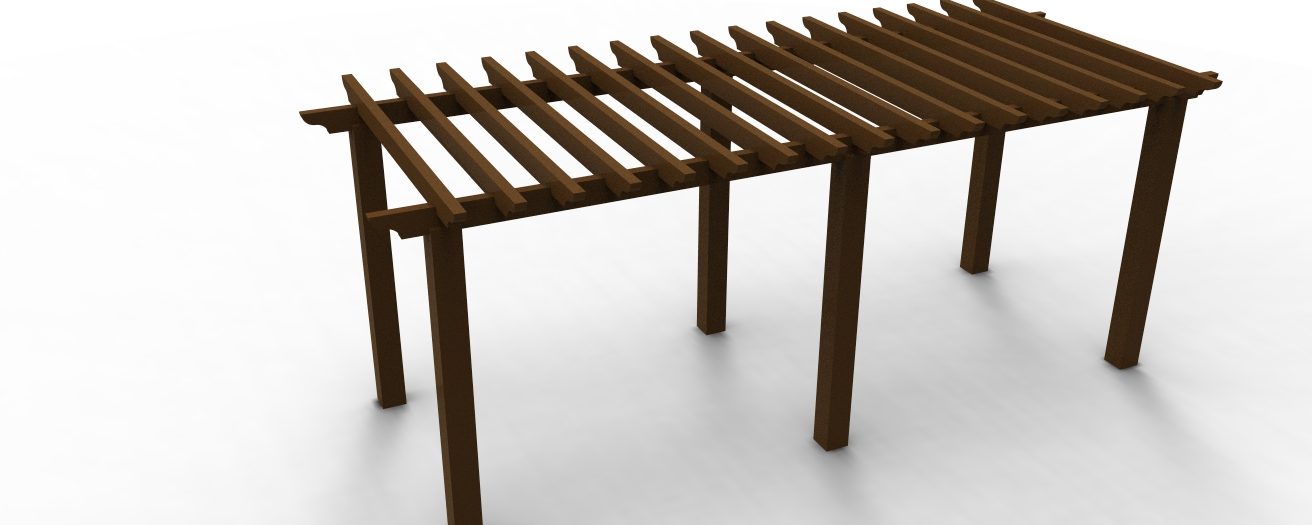
As the owner of an established outdoor WPC manufacturing company in Guangdong, I have witnessed firsthand the increasing demand for effective shading solutions. Among the most popular options are timber plastic canopies and aluminium structures. Each material brings its own strengths and weaknesses to the table, making the choice primarily dependent on the specific requirements of the project at hand. Through years of experience, I can offer insights that highlight the advantages of timber plastic canopies alongside their aluminium counterparts.
Durability and Longevity
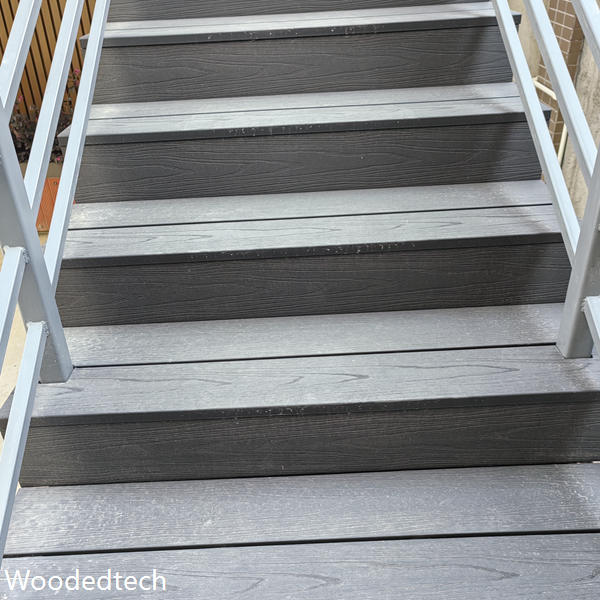
Durability is a significant factor for outdoor structures. Timber plastic canopies, made from a composite of wood and plastic, provide exceptional resistance to harsh weather conditions, rot, and insects, which are common woes for traditional timber structures. This composite material ensures that the canopy can withstand the test of time with minimal maintenance, offering a lifespan that can rival that of aluminium structures. Moreover, unlike aluminium, timber plastic does not corrode, making it a reliable choice for coastal areas where saltwater can be damaging.
Aesthetic Appeal
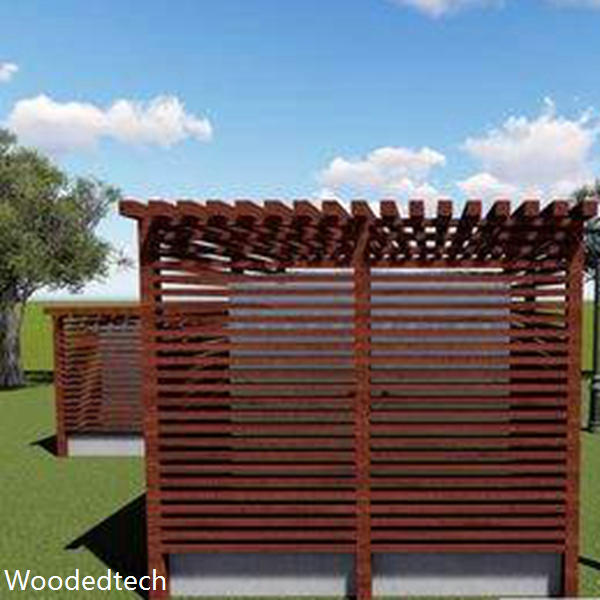
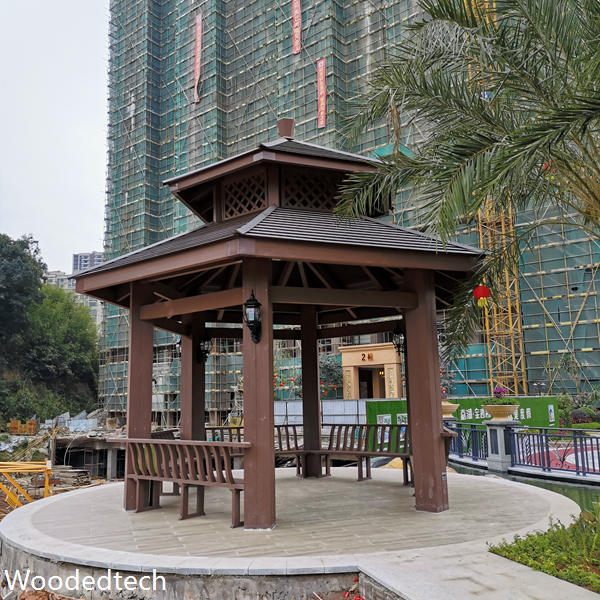
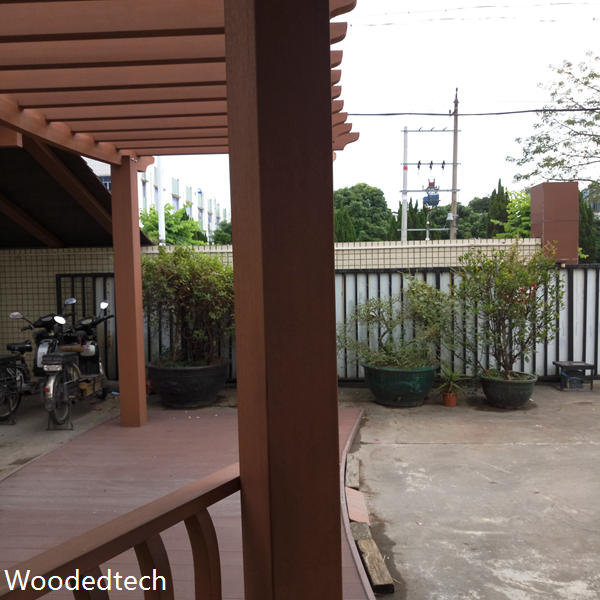
When it comes to aesthetics, timber plastic canopies offer a unique visual appeal that resonates with natural elements, often enhancing the overall look of outdoor spaces. Their ability to mimic the appearance of wood allows for a more organic integration into landscaped environments. On the other hand, while aluminium can be shaped and painted in various ways, it tends to present a more industrial look. Clients often appreciate the warmth and inviting nature of a timber plastic structure, which can create a more comfortable outdoor atmosphere compared to the coldness sometimes associated with metal canopies.
Environmental Impact and Sustainability
In today’s market, sustainability is paramount. Timber plastic canopies represent a more environmentally friendly option, as they often incorporate recycled materials into their composition. This not only reduces waste but also lessens the reliance on virgin plastic and timber resources. Aluminium production, while recyclable, requires a considerable amount of energy and resources to produce. By choosing timber plastic canopies, customers are likely to make a more eco-conscious choice that aligns with modern sustainability goals.
Cost Effectiveness
Cost is always a critical consideration in any construction project. Timber plastic canopies generally present a more cost-effective option over time. Though the initial investment may be comparable or slightly higher than that of aluminium, their longevity and minimal maintenance requirements can lead to lower overall costs. Aluminium structures may require periodic treatments to prevent corrosion and maintain their appearance, adding to long-term expenses. With timber plastic canopies, clients can enjoy a beautiful outdoor space without the burden of frequent repairs and upkeep.
Production Capabilities and Customization
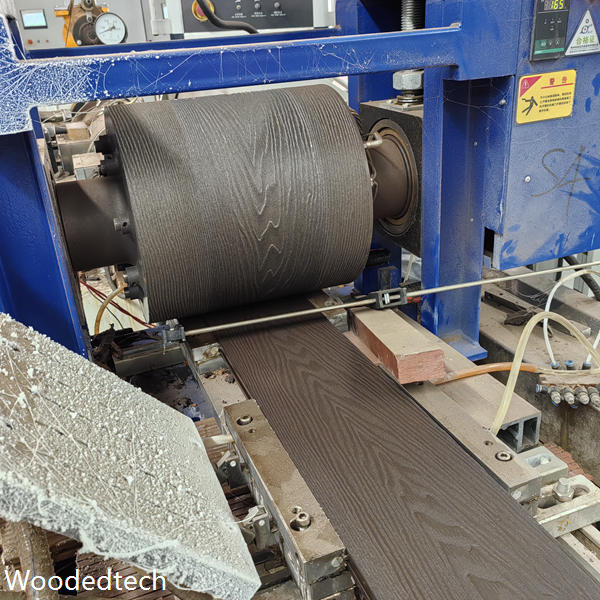
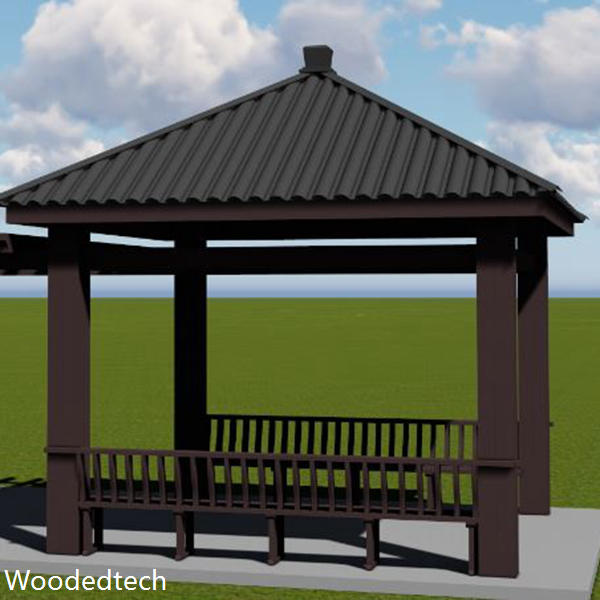
As a factory owner with over a decade of experience in WPC manufacturing, I can attest to the versatility of timber plastic in production. Our capabilities allow us to customise designs to suit various architectural styles and client preferences. This flexibility is often limited with aluminium, which can be more challenging to modify once produced. Clients seeking unique designs or specific dimensions are usually delighted with the myriad possibilities presented by timber plastic canopies, ensuring that their vision is realised without compromise.