Which is better Bower wood WPC vs natural timber for gardens
Comparing Bower Wood WPC and Natural Timber
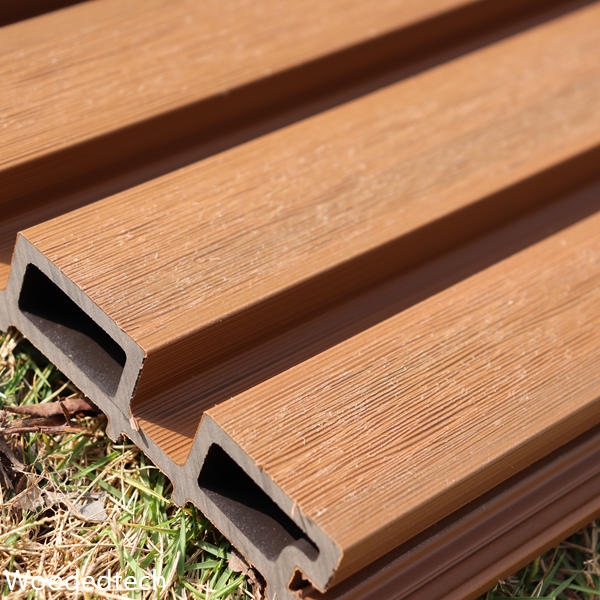
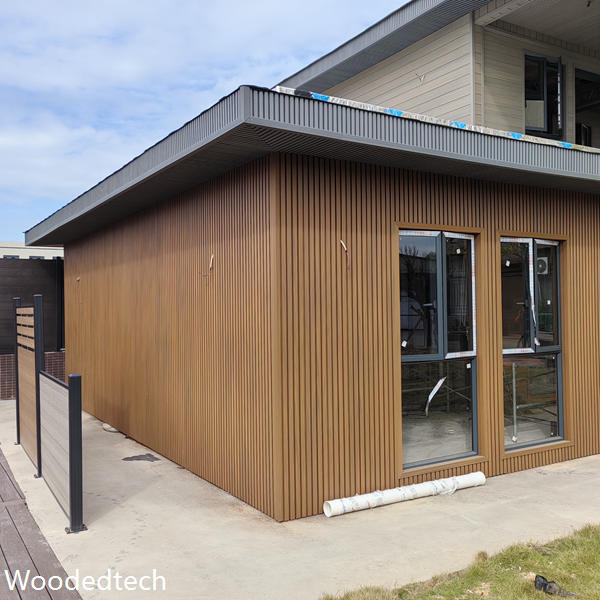
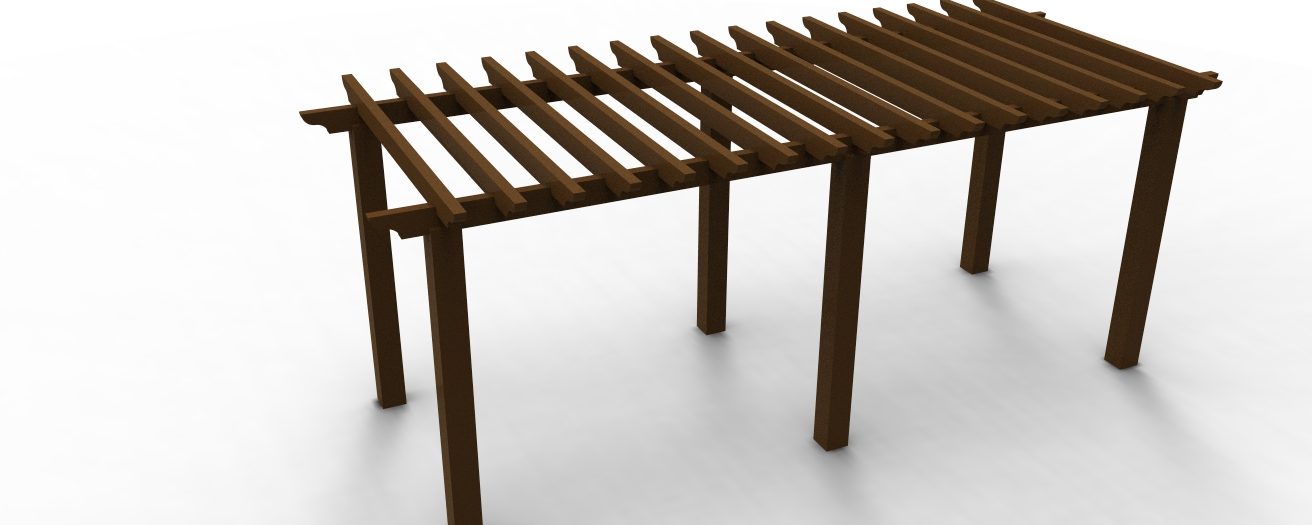
Outdoor spaces often serve as extensions of our homes, where the choice of materials can significantly impact aesthetics, functionality, and maintenance. Bower wood WPC, a wood-plastic composite, is increasingly favoured for various applications in gardens. Its characteristics present a strong alternative to traditional natural timber. While natural timber has long been the go-to material for outdoor constructions, Bower wood WPC offers unique benefits that are reshaping preferences among homeowners and landscape architects alike.
Natural timber is renowned for its classic beauty and the organic touch it brings to gardens. However, with the advantages of modern manufacturing, Bower wood WPC is designed to replicate the appearance of wood while offering enhanced performance attributes. This comparison between Bower wood WPC and natural timber highlights essential factors such as durability, maintenance, and environmental impact.
Durability and Longevity
One of the primary considerations in outdoor material selection is durability. Natural timber, while aesthetically pleasing, is often susceptible to the elements. Weather conditions, insect infestations, and fungal growth can compromise its integrity over time, leading to the need for regular repairs or replacements. On the other hand, Bower wood WPC is engineered to withstand harsh environmental conditions, resisting moisture, rot, and insects. This resilience results in a significantly longer lifespan, making it an appealing choice for outdoor applications.
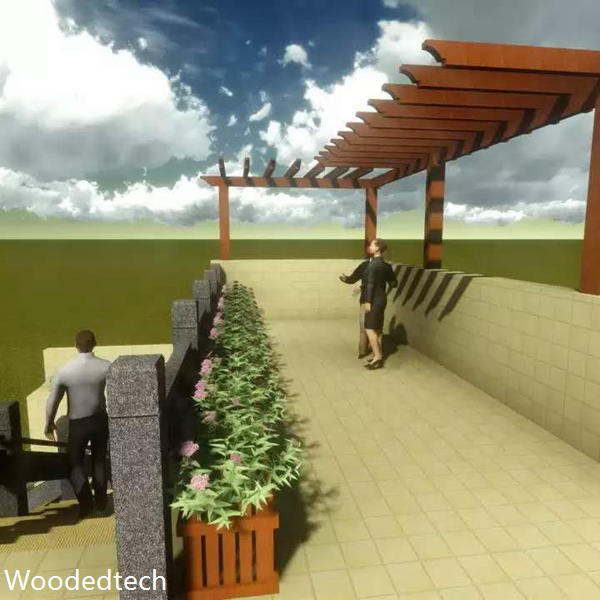
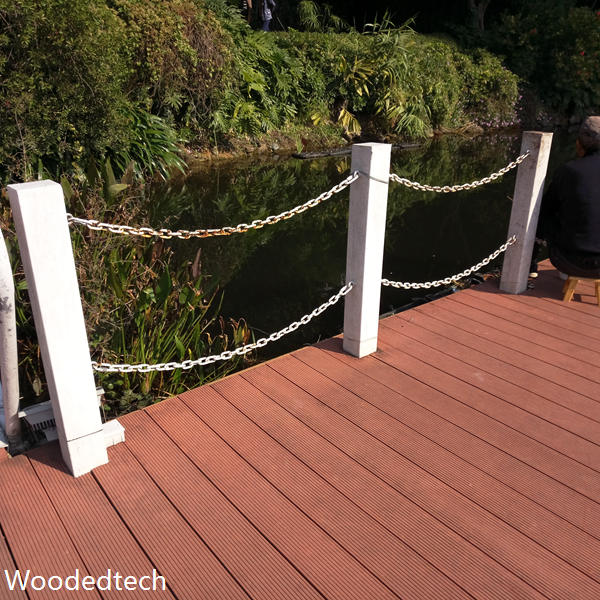
Furthermore, Bower wood WPC does not warp or splinter like natural wood, which is a considerable safety advantage, particularly in family gardens or public spaces. The composite material is designed to maintain its structural integrity even under heavy use, serving as a reliable option for decking, fencing, and other outdoor installations.
Maintenance Requirements
Maintenance is another critical aspect where Bower wood WPC excels over natural timber. Traditional timber requires regular treatments with preservatives, stains, or paints to prolong its life and maintain its appearance. These treatments can be costly and time-consuming, demanding significant investments of both time and money. In contrast, Bower wood WPC requires minimal maintenance. A simple wash with soap and water is often enough to keep it looking fresh and appealing. This ease of maintenance is particularly beneficial for busy professionals or families who prefer spending their time enjoying their gardens rather than maintaining them.
The low-maintenance nature of Bower wood WPC also aligns well with the increasing consumer demand for hassle-free solutions in outdoor living. By opting for WPC, buyers can focus on the enjoyment of their outdoor spaces without the constant worry that comes with maintaining natural timber.
Environmental Considerations
As sustainability becomes a more pressing issue, the choice between Bower wood WPC and natural timber is influenced by environmental impact. Natural timber, while renewable, often comes from deforestation practices that can harm ecosystems. In contrast, Bower wood WPC is made from recycled materials, including reclaimed wood and plastic, making it a more sustainable option. The manufacturing process for WPC utilises less energy than traditional timber production, contributing to a lower carbon footprint.
Choosing Bower wood WPC over natural timber not only supports environmentally friendly practices but also encourages the recycling of materials that might otherwise contribute to landfill waste. For environmentally conscious buyers, the WPC option presents a dual advantage, high performance and reduced ecological impact.
Aesthetic Appeal and Customisation
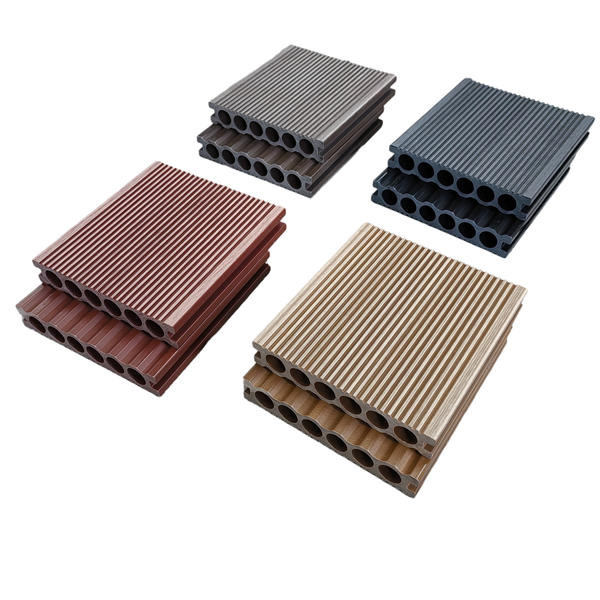
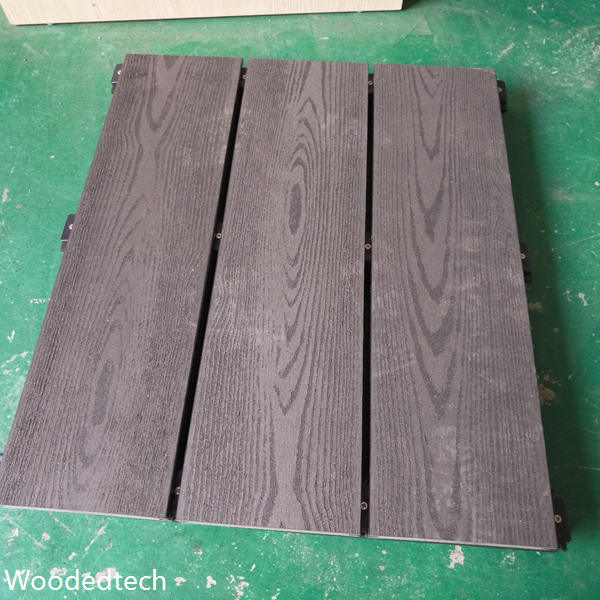
While the choice of materials often comes down to practical considerations, aesthetics cannot be overlooked. Natural timber exudes a warmth that many find appealing, yet Bower wood WPC has made significant strides in mimicking the look of high-quality wood. Available in various colours and finishes, WPC can complement diverse design preferences. This versatility makes it suitable for modern, rustic, or traditional garden aesthetics.
Cost-Effectiveness and Value
Cost is often a deciding factor in material selection for building projects. While natural timber may appear cheaper initially, the long-term costs associated with maintenance, repair, and replacement can add up significantly. Bower wood WPC, although it might have a higher upfront cost, proves to be more economical over time due to its durability and low maintenance requirements. The value it provides in longevity and reduced upkeep makes it a wise investment for garden projects.