Key Waterproof Features of Wood Composite Gazebos
Understanding Wood Composite Materials
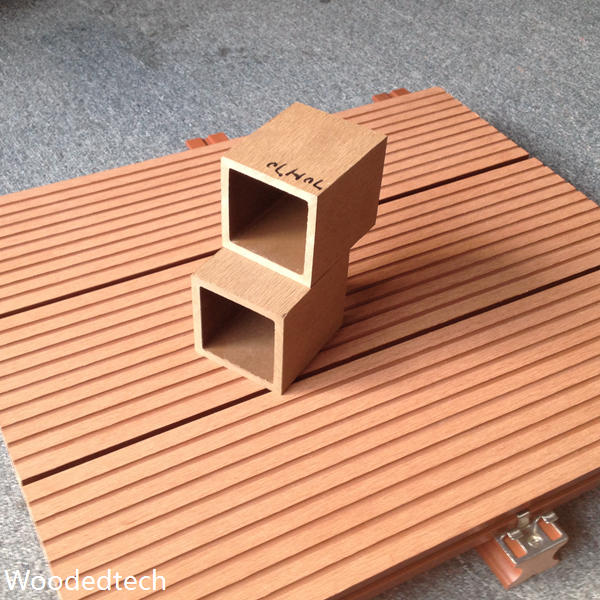
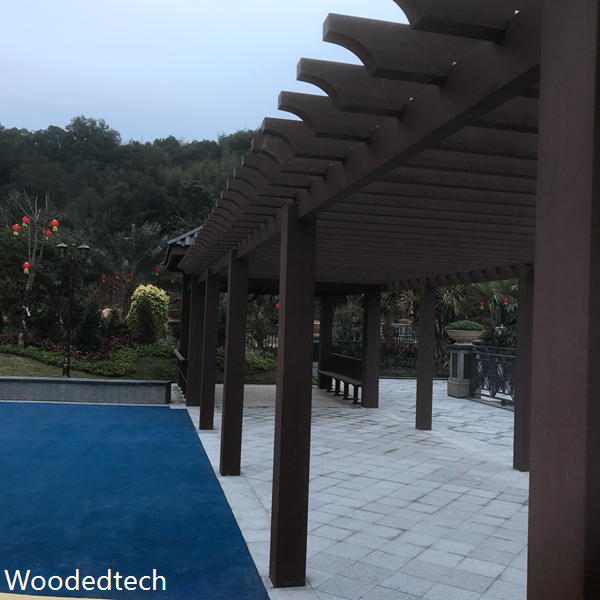
Wood plastic composite, commonly known as WPC, combines the best qualities of wood and plastic to create a durable, versatile material ideal for outdoor structures. This unique blend provides a striking appearance similar to traditional timber while eliminating many of the drawbacks associated with natural wood, such as susceptibility to rot and insect damage. WPC is crafted from a mixture of recycled wood fibres and high-density polyethylene, resulting in a product that is not only aesthetically pleasing but also exceptionally functional. As a result, wood composite gazebos are fast becoming a preferred choice for homeowners and businesses alike, particularly due to their waterproof features and low maintenance requirements.
Waterproof Properties of Wood Composite Gazebos
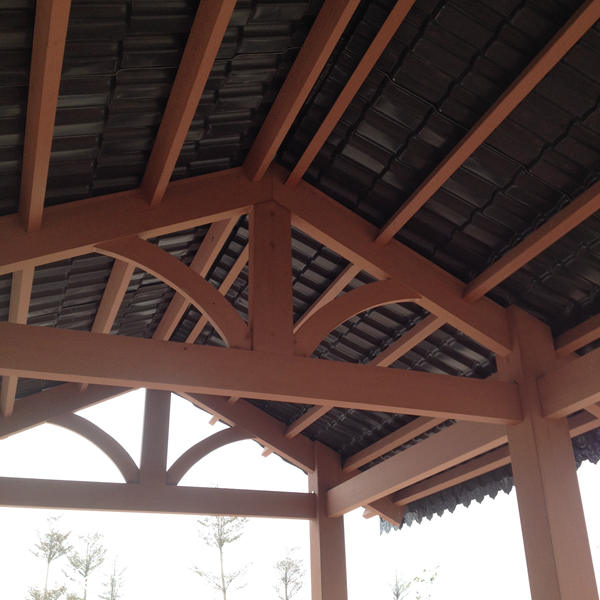
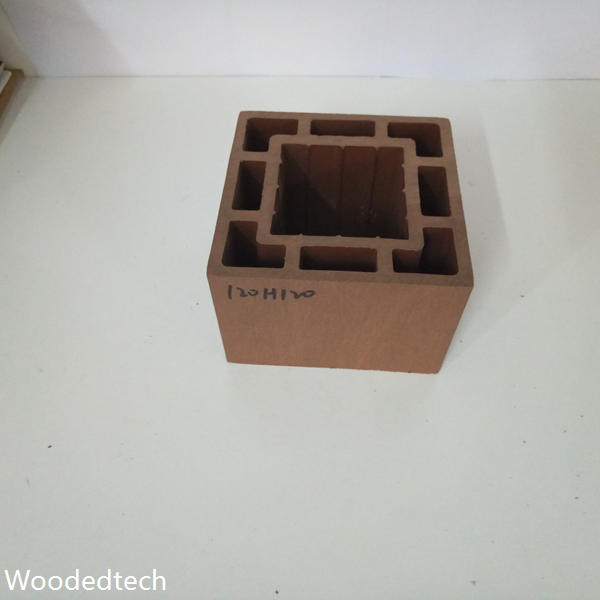
The primary appeal of wood composite gazebos lies in their exceptional waterproof characteristics. Unlike traditional wooden structures that absorb moisture, leading to warping and decay, WPC gazebos are engineered to resist water intrusion. The dense structure of the composite material prevents water from penetrating, ensuring that the gazebo retains its integrity even in the harshest weather conditions. This waterproof quality is crucial for outdoor living spaces, where exposure to rain and humidity is inevitable.
Furthermore, the non-porous surface of wood composite materials means that they do not foster mould or mildew growth, which is a common concern with wooden structures. This inherent resistance not only prolongs the life of the gazebo but also ensures that it remains a safe and pleasant environment throughout the seasons. The ability to repel water effectively contributes significantly to the long service life of WPC gazebos, allowing homeowners to enjoy their outdoor spaces without the constant worry of maintenance and repairs.
Low Maintenance Advantages
One of the standout benefits of wood composite gazebos is their low maintenance nature. WPC structures require minimal upkeep compared to traditional wooden gazebos, which often need regular sealing, staining, and painting to protect against moisture and pests. With wood composite materials, the need for such treatments is greatly reduced, allowing owners to spend more time enjoying their outdoor areas rather than maintaining them.
Durability and Longevity
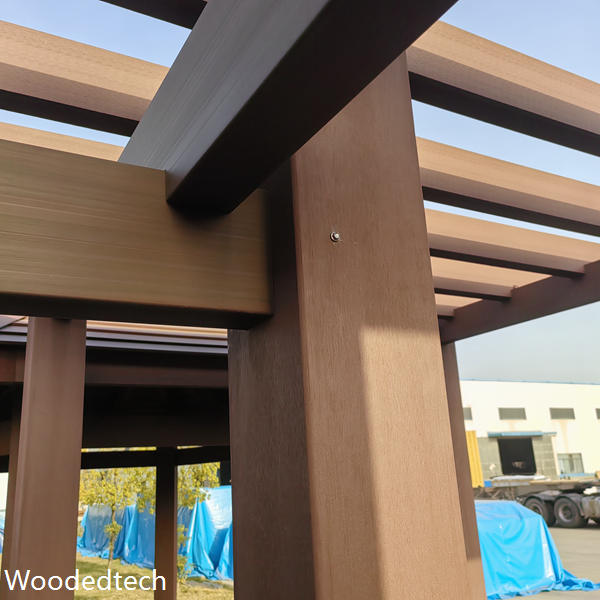
Wood composite gazebos are specifically designed to withstand the test of time. The combination of wood fibres and plastic grants these structures exceptional durability, making them resistant to cracking, splintering, and fading. This durability is a significant factor for homeowners looking for long-lasting outdoor solutions. With minimal wear and tear, these gazebos remain stable and secure, providing peace of mind to owners, particularly in regions with extreme weather conditions.
Environmental Considerations
The Perfect Outdoor Retreat