Wood or Plastic Decking for Low-Maintenance Landscape Projects
Environmental Value of Outdoor WPC Decking
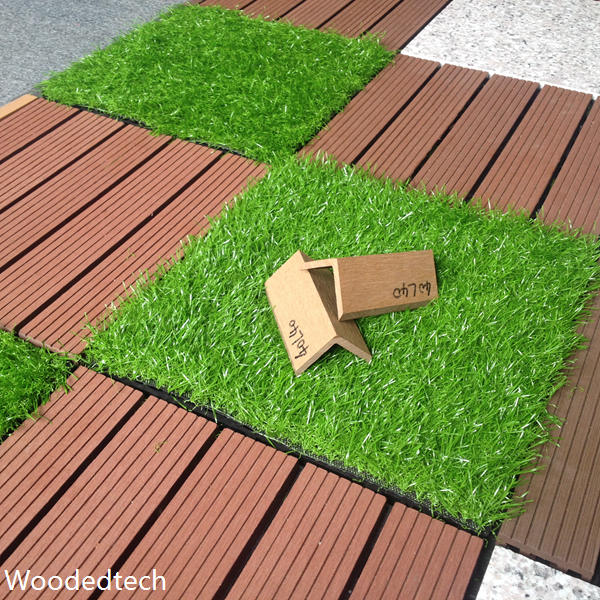
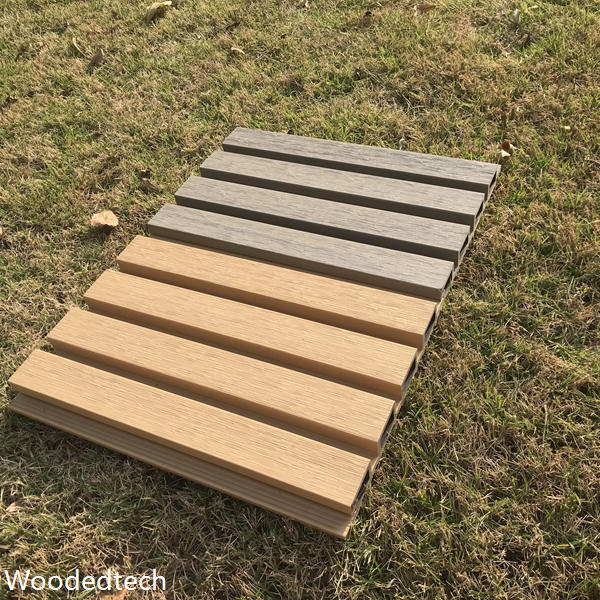
Wood plastic composite decking, commonly called outdoor WPC, offers a practical way to reduce the environmental pressure associated with landscape construction. It combines wood fibres or flour with thermoplastics, creating a decking material that uses resources from two established recycling streams. The exact formulation varies between manufacturers, but many boards contain recycled polyethylene or polypropylene together with reclaimed wood residues from sawmills and furniture production. These materials are processed into a stable profile rather than being discarded, burned or sent to landfill.
For architects, landscape consultants and project owners comparing wood or plastic decking, the environmental profile of WPC depends on more than a single material label. Responsible sourcing, recycled content, product service life and end-of-life planning all matter. A well-designed WPC system can reduce demand for virgin plastic and make productive use of wood by-products, while its long service life spreads the environmental impact of manufacturing across many years of outdoor use.
Reduced Wood Consumption in Landscape Projects
Traditional timber decking can require regular replacement, especially where boards face persistent moisture, ultraviolet exposure, ground contact or heavy foot traffic. Tropical hardwoods may offer natural durability, but their use raises concerns about forest management, supply-chain traceability and transport distance. Softwood decking can come from certified forests, yet it still requires preservatives, coatings and repeated maintenance to remain serviceable in demanding outdoor conditions.
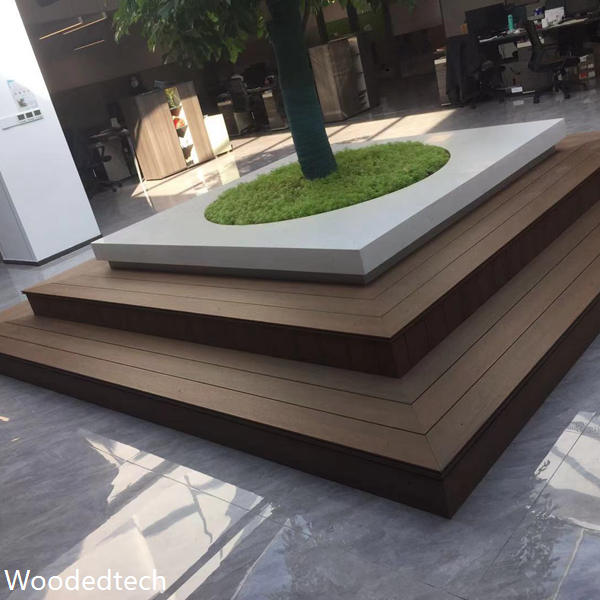
Outdoor WPC reduces the volume of new wood required for a deck, terrace, walkway or garden platform. The wood component is often made from manufacturing residues rather than freshly milled trees, allowing each tonne of usable timber to deliver more finished products. This does not mean WPC eliminates the need for responsibly managed forests, but it can reduce pressure on timber resources where recycled wood content is verified and the formulation is designed efficiently. Buyers should request information about recycled content, certification and material traceability before selecting a supplier.
Durability That Extends Product Life
Environmental performance improves when a decking system remains in use for a long period. Outdoor WPC is engineered to resist common causes of premature failure, including fungal decay, insect attack, surface cracking and moisture absorption. Its plastic binding phase helps protect the wood fibres from direct exposure, while co-extruded caps can provide an additional barrier against staining and weathering. Properly designed boards also maintain dimensional stability across normal seasonal temperature changes.
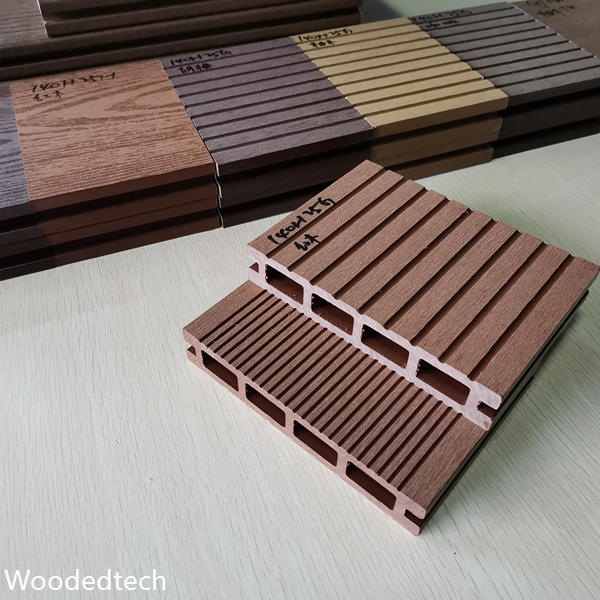
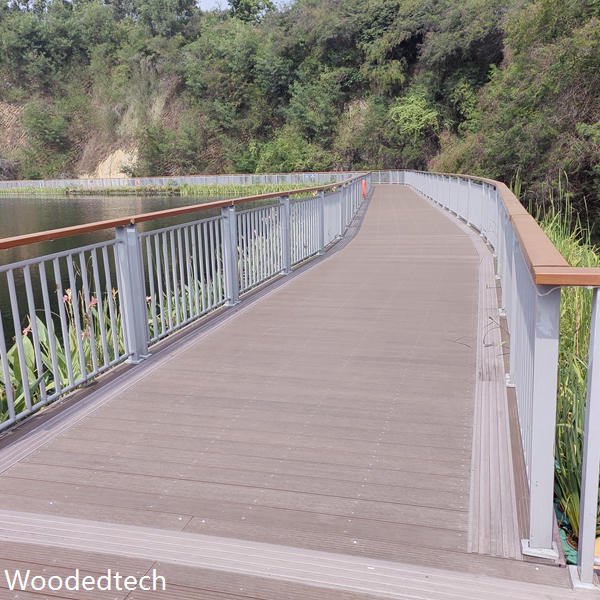
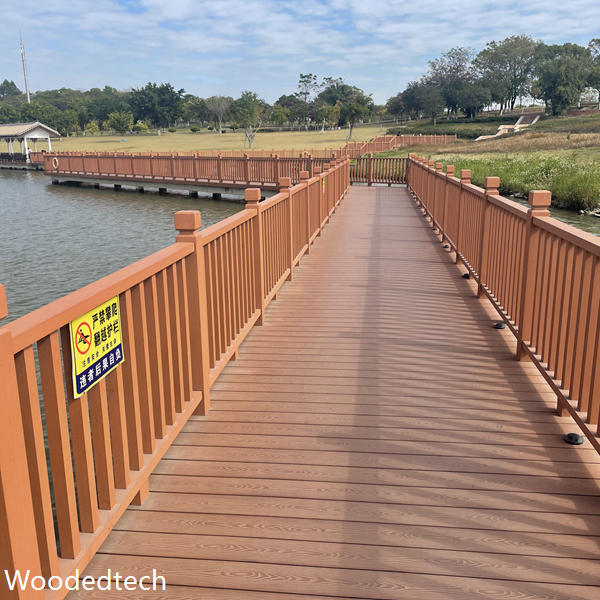
Durability still depends on formulation, extrusion quality and installation practice. A reputable manufacturer controls fibre distribution, melt temperature, profile density and board dimensions during production. Installers must provide adequate ventilation, correct joist spacing and suitable expansion gaps. Drainage is equally important, since standing water can increase the risk of staining, mould growth and substructure deterioration. When these details are managed correctly, a WPC deck can deliver a long service period with fewer replacement materials and less disruption to the landscape.
Low Maintenance and Lower Resource Use
One of the strongest advantages of outdoor WPC is its low-maintenance surface. Timber decks commonly need sanding, staining, sealing or painting at planned intervals. Those treatments consume coatings, water and labour, and they can release cleaning residues into the surrounding soil or drainage system. WPC usually needs routine sweeping and occasional washing with mild detergent. Spilled food, soil and leaf marks should be removed promptly, but the surface does not normally require annual oiling or protective painting.
Reduced maintenance also benefits commercial developments, hotels, public gardens and residential communities where access, labour and downtime carry a significant cost. A quality deck can retain a consistent colour and texture for longer, helping property managers control upkeep schedules. The correct cleaning method remains important, since aggressive solvents, abrasive tools and excessive pressure can damage the surface or affect its appearance. Product-specific maintenance instructions should be supplied to owners and installation teams.
Responsible Specification for Sustainable Results
Choosing sustainable building materials requires a full assessment of the product and the project. A recycled-content claim should be supported by technical documentation, while performance data should cover water absorption, slip resistance, flexural strength, weathering and fire behaviour where relevant. Designers should also consider board dimensions, replacement availability and the recyclability of the finished product. A modular fixing system can make future repairs easier and reduce the need to replace an entire deck when only a few boards are damaged.
End-of-life planning strengthens the environmental case for WPC. Some manufacturers accept production offcuts or removed boards for reprocessing, although collection systems vary by region and composite boards should not be placed in ordinary household recycling without confirmation. Selecting a supplier with stable quality control, clear installation guidance and after-sales support helps protect the expected service life. For low-maintenance landscape projects, wood or plastic decking should therefore be assessed through its complete material cycle, from recycled feedstock and reduced wood consumption to long-term performance and responsible recovery.