Balancing WPC Formulas for Strong, Long-Lasting Balcony Railings
Formula Balance for Balcony Railing Performance
Strong outdoor WPC balcony railings begin with a controlled formula rather than a high loading of one ingredient. Wood flour provides a natural appearance and contributes to stiffness, while the polymer matrix supplies moisture resistance and impact performance. Calcium carbonate, coupling agents, lubricants, pigments and light stabilisers must be selected in proportion to the intended application. A railing profile that looks attractive in a showroom may still fail if the formulation is poorly balanced for wind pressure, temperature changes and repeated handling.
For international buyers searching for wpc balkongeländer, the technical discussion should cover more than surface colour. The exporter should provide the wood to polymer ratio, density range, profile dimensions, recommended span, fixing method and relevant test data. Excessive wood content can increase water absorption and dimensional movement. Too much polymer may improve moisture resistance but reduce the natural finish or raise cost. A practical formula combines stiffness, low thermal expansion, secure screw holding and stable colour for outdoor service.
Material Selection and Production Control
Wood flour should have controlled particle size, low moisture content and consistent species characteristics. Uneven moisture can create voids, foaming or weak zones during extrusion. The polymer grade must suit the processing temperature and the required impact strength. Additives also need careful dosing. Coupling agents improve adhesion between wood particles and polymer, while UV stabilisers reduce surface fading and embrittlement. A factory with reliable batch records can trace each railing order back to raw material lots and processing conditions.
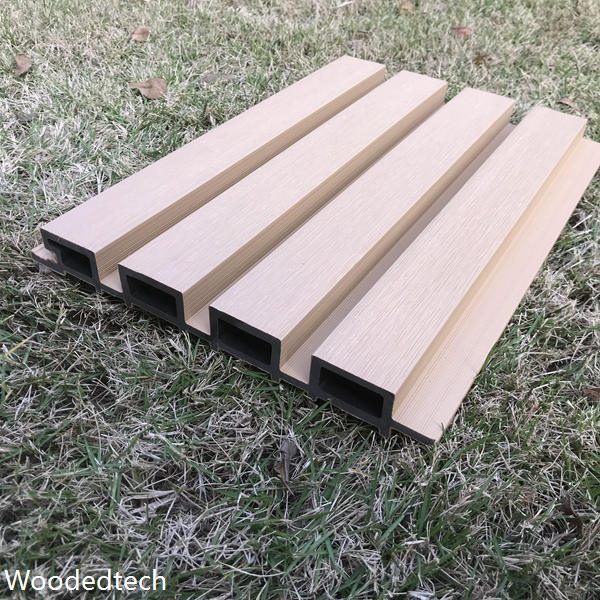
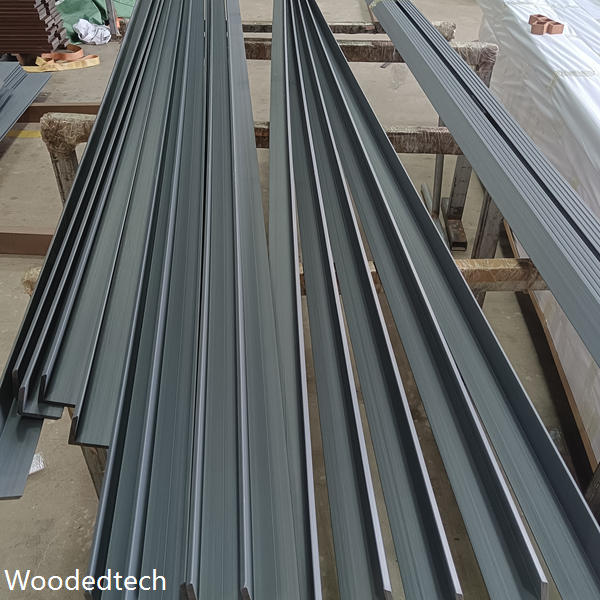
Extrusion settings affect performance as much as the recipe. Barrel temperature, screw speed, feeding rate, cooling calibration and haul-off speed must remain within defined limits. The profile should be checked for wall thickness, straightness, density, surface defects and internal bonding. Quality inspection should include water absorption, heat ageing, impact resistance and screw withdrawal tests where appropriate. These records give overseas distributors useful evidence for architects, installers and building inspectors rather than relying only on photographs or general claims.
Quotation and Sample Approval
A clear export quotation should separate the profile price from accessories, packaging, tooling, testing, inland transport and shipping charges. It should state the trade term, minimum order quantity, production lead time, payment conditions, colour tolerance and quotation validity. For custom balcony systems, the buyer should send drawings showing post spacing, handrail dimensions, infill requirements and fixing details. This allows the supplier to calculate material consumption and identify whether steel reinforcement or modified connectors are needed.
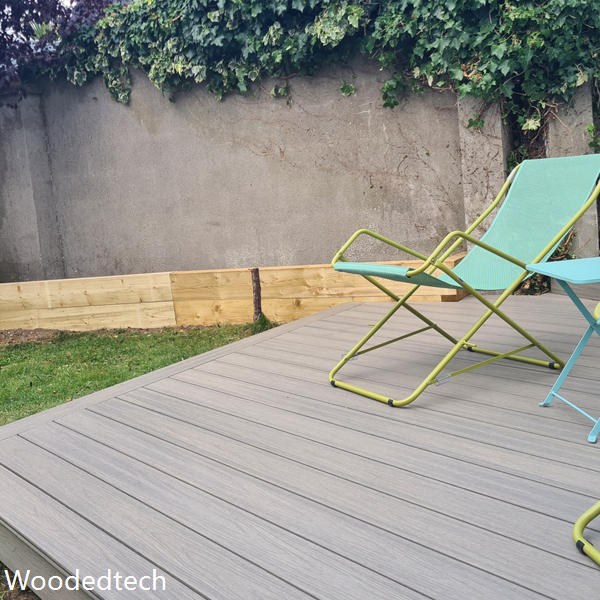
Sample approval should be treated as a controlled stage rather than a casual product check. The exporter can send a short profile sample, colour swatches, connector samples and a small assembly section. The buyer should approve dimensions, gloss, texture, colour, tolerances and installation appearance in writing. A signed sample or approved reference code then becomes the production standard. This reduces disputes caused by different expectations about brown tones, surface grain, corner details or the fit between railing components.
Packaging, Container Loading and Shipping Documents
Balcony railing profiles are long, vulnerable to bending and easily damaged at corners. Export packaging normally combines protective film, edge guards, strapped bundles and moisture-resistant outer wrapping. Bundles should be supported at regular intervals and labelled with item code, colour, quantity, length and destination. Accessories must be packed so that metal connectors, screws and brackets cannot scratch the visible surfaces during sea transport. Packaging design should protect the goods without wasting container space.
Before loading, the exporter should confirm the packing list against the purchase order and photograph the container condition, bundle arrangement and final seal. Shipping documents commonly include the commercial invoice, packing list, bill of lading and certificate of origin. Depending on the destination, the buyer may also require test reports, fumigation documentation for wooden packaging, insurance papers or product compliance declarations. Correct descriptions, quantities and tariff information help the distributor clear the shipment without avoidable customs delays.
Distributor Cooperation After Arrival
Overseas distributors need more than a competitive factory price. They require reliable stock information, installation drawings, spare component support and a consistent replacement policy. The exporter should agree how technical enquiries will be handled, which parts are stocked locally and how warranty claims are documented. A shared photo record, batch number and installation report can distinguish a manufacturing defect from damage caused by incorrect spacing, unsuitable fasteners or poor site storage.
Regular cooperation also improves future formula and product decisions. Sales feedback may reveal that one market needs higher wind-load performance, a cooler grey colour or profiles compatible with local railing regulations. Production and engineering teams can then assess the request against extrusion capacity, testing requirements and container economics. With accurate forecasts, the distributor can consolidate colours and accessories into efficient shipments, while the factory maintains stable batches and the buyer receives balcony railing products suited to local climate and building practice.