Cómo instalar enrejado compuesto de madera de plástico de manera efectiva
Entendiendo los enrejados compuestos de madera de plástico
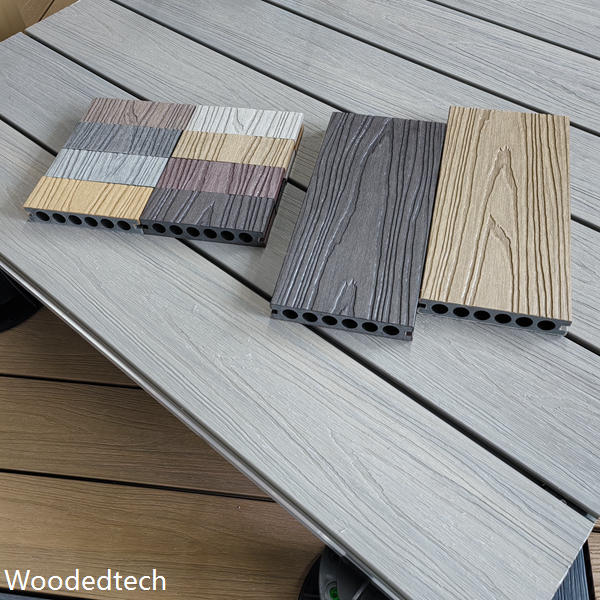
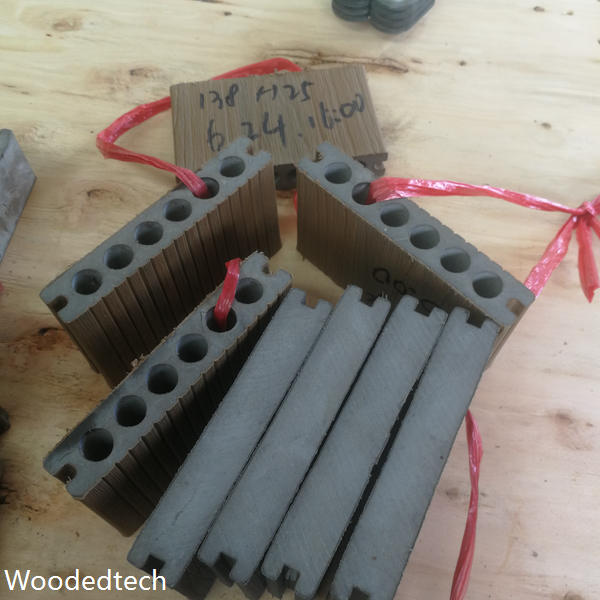
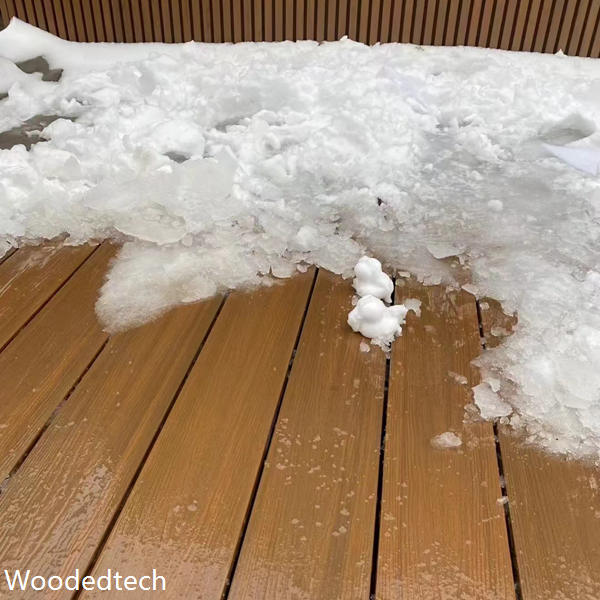
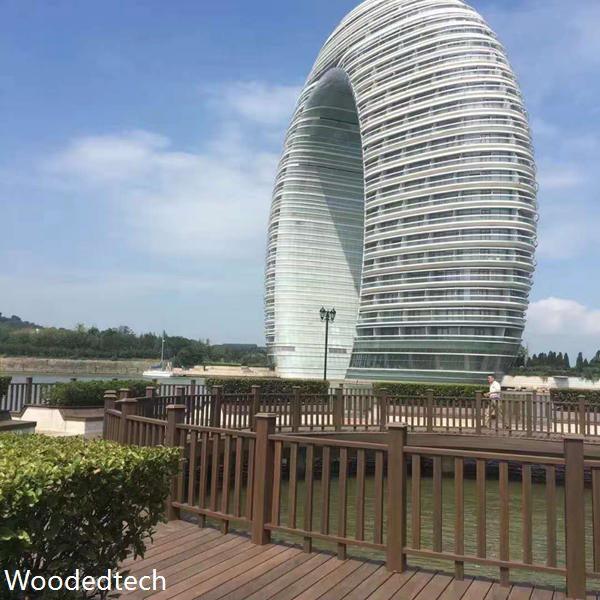
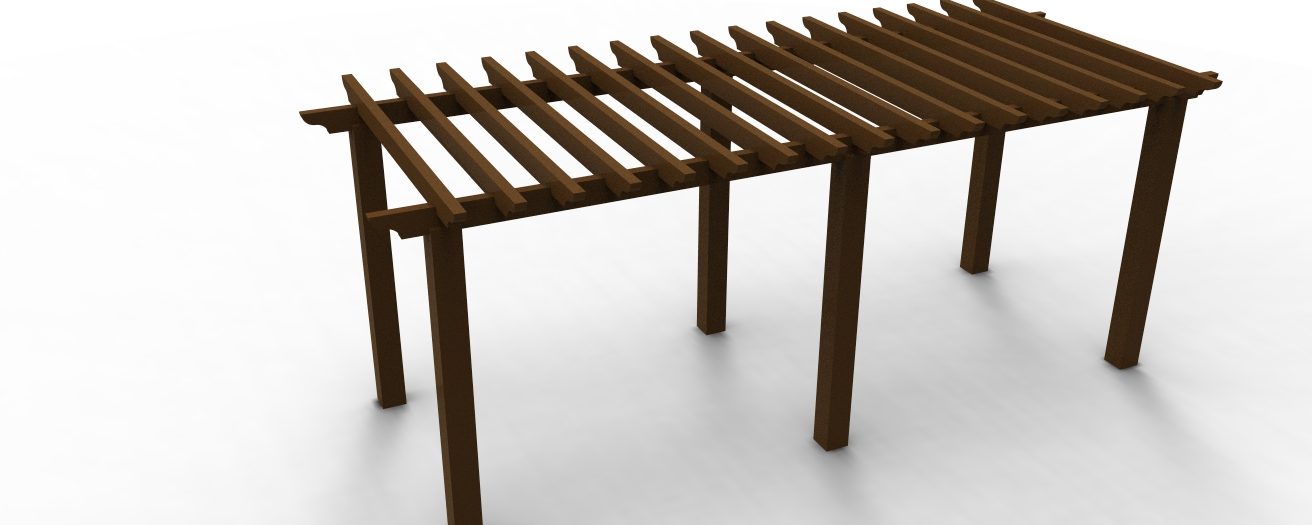
Los enrejados compuestos de madera de plástico han ganado una inmensa popularidad en el paisaje al aire libre debido a su durabilidad y atractivo estético.Hechas de una mezcla de fibras de madera y plásticos reciclados, estas estructuras ofrecen una alternativa sostenible a la madera tradicional.Son resistentes a la pudrición, los insectos y la intemperie, lo que los convierte en una opción ideal para jardines y patios.Para los compradores internacionales, especialmente aquellos que abandan desde China, comprender los requisitos de instalación únicos de estos enrejados puede mejorar significativamente sus espacios al aire libre.
Preparación Antes De La Instalación
Antes de comenzar la instalación de un enrejado compuesto de madera de plástico, la preparación adecuada es esencial.Comienza seleccionando la ubicación correcta para tu enrejado.Debe colocarse en un área donde pueda recibir abundante luz solar y donde las plantas puedan prosperar junto a ella.Una vez que se determina la ubicación, despejar el área de cualquier residuo, asegurando una superficie limpia y nivelada.Este paso no solo ayuda a conseguir una instalación segura, sino que también contribuye a la estética general del jardín o patio.
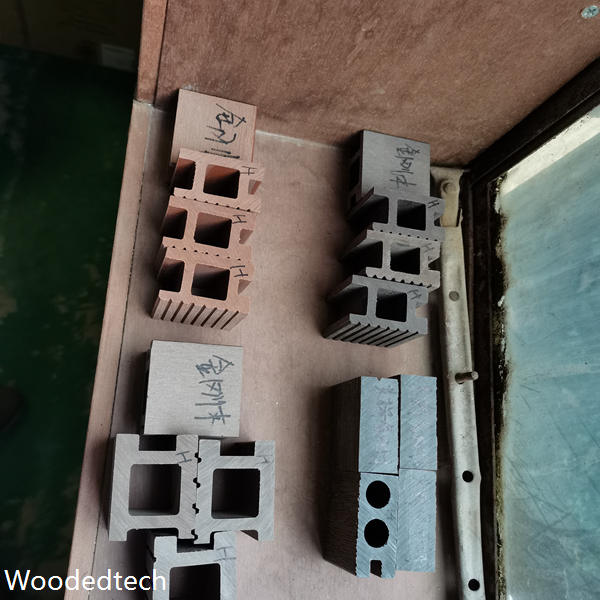
A continuación, reúna todos los materiales y herramientas necesarias.Esto incluye los paneles compuestos de madera de plástico, postes de soporte, tornillos, un nivel, un taladro, una sierra y equipos de seguridad como guantes y gafas.Tener todo listo al principio agiliza el proceso y minimiza las interrupciones durante la instalación.
Proceso de instalación paso a paso
La instalación de un enrejado compuesto de madera de plástico se puede dividir en una serie de pasos manejables.En primer lugar, marcar las áreas para los puestos de apoyo.Estos postes deben colocarse a intervalos regulares para garantizar que el enrejado sea estable y pueda soportar el peso de las plantas trepladoras.Una vez marcado, cavar agujeros para los postes, asegurando que sean lo suficientemente profundos como para proporcionar una base sólida.
A continuación, coloque los postes en los orificios y verifique la alineación vertical utilizando un nivel.Este es un paso crucial, ya que los puestos desiguales pueden conducir a problemas estructurales en el futuro.Una vez alineados, llena los agujeros con concreto o tierra, asegurando los postes en su lugar.Permita que los mensajes se establezcan durante un día antes de pasar al siguiente paso.
Adjuntar los paneles de enrejado
Con los postes firmemente en su lugar, la siguiente etapa es la fijación de los paneles de enrejado.Comience midiendo la altura y el ancho del espacio entre los postes.Corte los paneles compuestos de madera de plástico al tamaño apropiado.Es aconsejable usar equipo de protección mientras se corta para garantizar la seguridad.
Una vez que los paneles estén cortados, colóquelos contra los postes.Use tornillos para unir los paneles, asegurando que estén uniformemente espaciados para un aspecto pulido.Es beneficioso perforar previamente los orificios en los paneles para evitar dividirlos durante la instalación.A medida que adjunta cada panel, verifique continuamente la nivelación para mantener una apariencia profesional.Esta atención al detalle dará sus frutos en el resultado final.
Acabado de toques y mantenimiento
Después de que los paneles de enrejado se unen de forma segura, es hora de añadir los toques finales.Considere pintar o teñir los paneles para mejorar su apariencia y proporcionar protección adicional de los elementos.Mientras que el material compuesto de madera de plástico es inherentemente duradero, un recubrimiento protector puede extender la vida útil de la instalación.Además, agregar elementos decorativos como plantas trepadoras o luces de hadas puede transformar el enrejado en un punto focal de su área al aire libre.
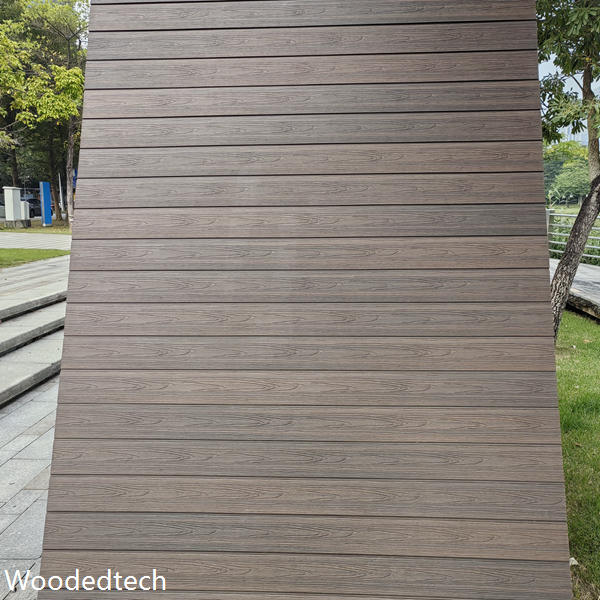
El mantenimiento de enrejados compuestos de madera de plástico es relativamente mínimo en comparación con la madera tradicional.La limpieza regular con agua y jabón mantendrá la superficie fresca.Además, verifique si hay tornillos o paneles sueltos periódicamente para asegurarse de que la estructura permanezca estable.Al adherirse a estas sencillas pautas de mantenimiento, el enrejado puede proporcionar belleza y función durante muchos años.
Productos de abastecimiento de WPC de China
Para los compradores internacionales, el abastecimiento de productos compuestos de madera de plástico, como enrejados de China, ofrece varias ventajas.Los fabricantes chinos, como WPC Pergola, ofrecen una amplia gama de diseños y opciones de personalización.Cuando se busca proveedores, es esencial evaluar sus capacidades de producción y estándares de calidad.Establecer una comunicación clara y comprender aspectos logísticos como los tiempos de envío y los costos puede facilitar el proceso de adquisición.
Además, asistir a ferias comerciales o participar en plataformas en línea dedicadas a transacciones B2B puede facilitar las conexiones con fabricantes de renombre.Evaludar las revisiones anteriores de los clientes y solicitar muestras puede ayudar aún más en la toma de decisiones informadas.Al obtener productos WPC de alta calidad de China, los compradores pueden mejorar sus espacios al aire libre mientras disfrutan de los beneficios de un material sostenible y duradero.