What are the WPC wood pavilion assembly instructions for easy installation
The Importance of WPC in Pavilion Construction
Wood Plastic Composites (WPC) have gained significant traction in the construction and landscaping sectors, particularly for outdoor applications like pavilions. These materials combine the natural aesthetic of wood with the durability and moisture resistance of plastics, making them ideal for various structures. The growing popularity of WPC wood pavilions is a tribute to their longevity and low maintenance, which appeals to both consumers and contractors alike. However, to achieve the best results during assembly, understanding the extrusion process that produces these materials is essential.
El Proceso Extrusivo Explicado
The initial phase in creating WPC materials for pavilion assembly begins with material mixing. This involves combining wood fibres and thermoplastic resins. The ratio of wood to plastic is critical as it affects the overall properties of the finished product. A common blend might consist of 60% wood and 40% plastic, but this can vary based on end-use requirements. Colourants and additives for UV protection might also be included, which help in preserving the appearance and extending the life of the pavilion.
Once the materials are mixed, the next step is pelletizing. The mixed materials are processed into pellets, which facilitates easier handling and feeding into the extrusion machine. Proper pellet size is vital; it ensures uniform melting and consistent flow through the extruder, leading to high-quality output. Following pelletizing, temperature control during the extrusion process is paramount. The extruder consists of multiple heating zones, and each zone must be carefully monitored to ensure that the material is melted evenly without degrading the properties of the wood or plastic components.
Mold Design and Its Significance
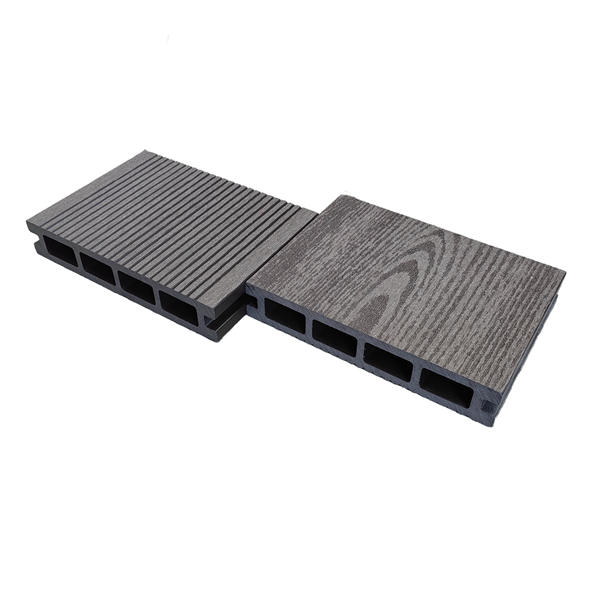
Mold design plays a pivotal role in the final shape and detailing of the WPC components. A well-engineered mold allows for precise dimensions and surface finishes, which are critical for the assembly process of WPC wood pavilions. It is essential to consider factors such as shrinkage and cooling rates in the design phase, as these can significantly affect the dimensions of the final product. Typically, a cooling calibration process is integrated into the production line, where cooling water circulates around the mold to expedite solidification. This not only enhances productivity but also ensures that the product retains its intended shape without warping.
Surface Treatment and Aesthetic Appeal
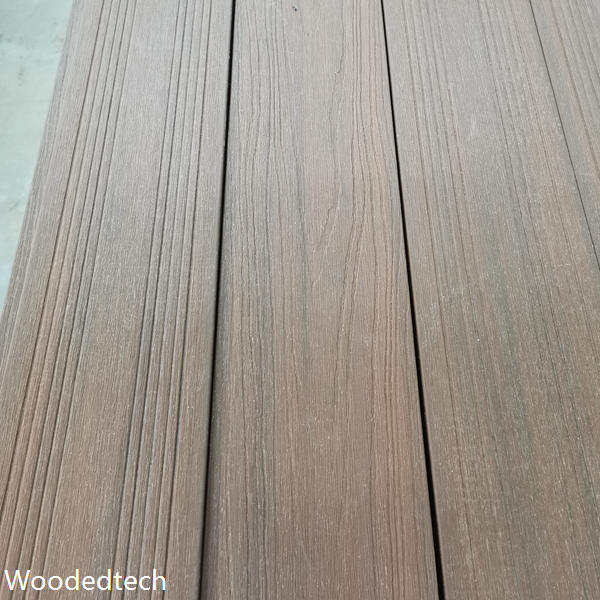
After the extrusion and cooling processes, the WPC components often undergo surface treatment. This step is crucial, especially for components that will be exposed to the elements. Surface treatments can include sanding, staining, or applying a protective coating. These enhancements boost the aesthetic appeal of the pavilion and provide additional resistance against moisture and UV light. The surface finish not only influences the visual aspect but also impacts the tactile experience, making it essential to choose the right combination for outdoor use.
Desafíos comunes de producción
Another challenge is the risk of surface defects, such as voids or imperfections. These issues can arise from improper cooling or incorrect mold design. Engineers must conduct rigorous testing to identify defects early, allowing for adjustments before the components reach the assembly stage. A proactive approach to quality inspection ensures that every piece meets the high standards required for outdoor applications.
Assembly Instructions for a Successful Pavilion
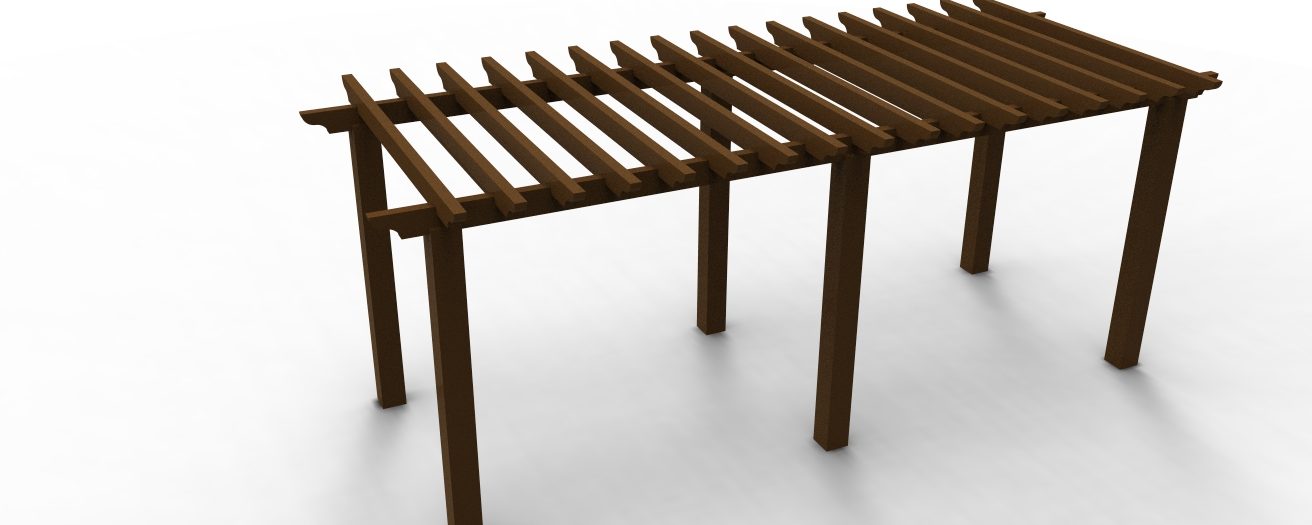
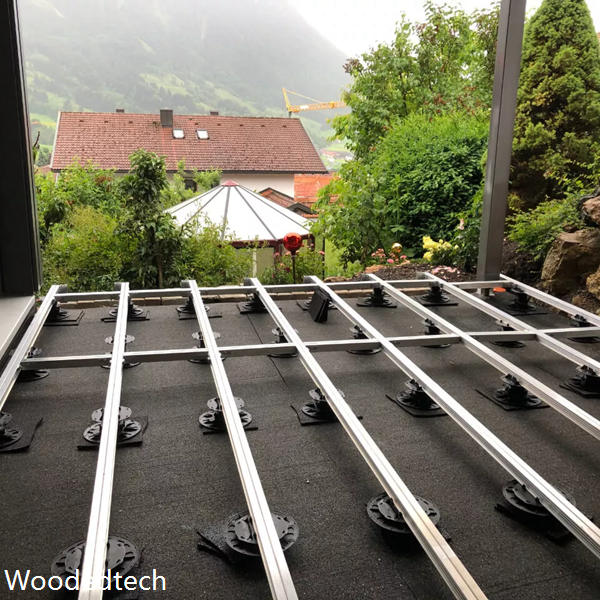
With the production process outlined, the next step involves the assembly of the WPC wood pavilion itself. Following specific WPC wood pavilion assembly instructions is vital for achieving a robust structure. First, ensure that all components are available and free from defects. Begin the assembly by laying out the floor supports, securing them to the ground properly. Next, assemble the vertical posts, ensuring they are plumb and secured at the base.
Once the posts are in place, attach the horizontal beams, ensuring proper alignment and level. It is crucial to utilise stainless steel fasteners or similar hardware to prevent corrosion. Finally, install the roof structure and any additional features based on design specifications. Attention to detail during the assembly process not only guarantees structural integrity but also enhances the overall aesthetic appeal of the pavilion, making it a perfect addition to any outdoor space.