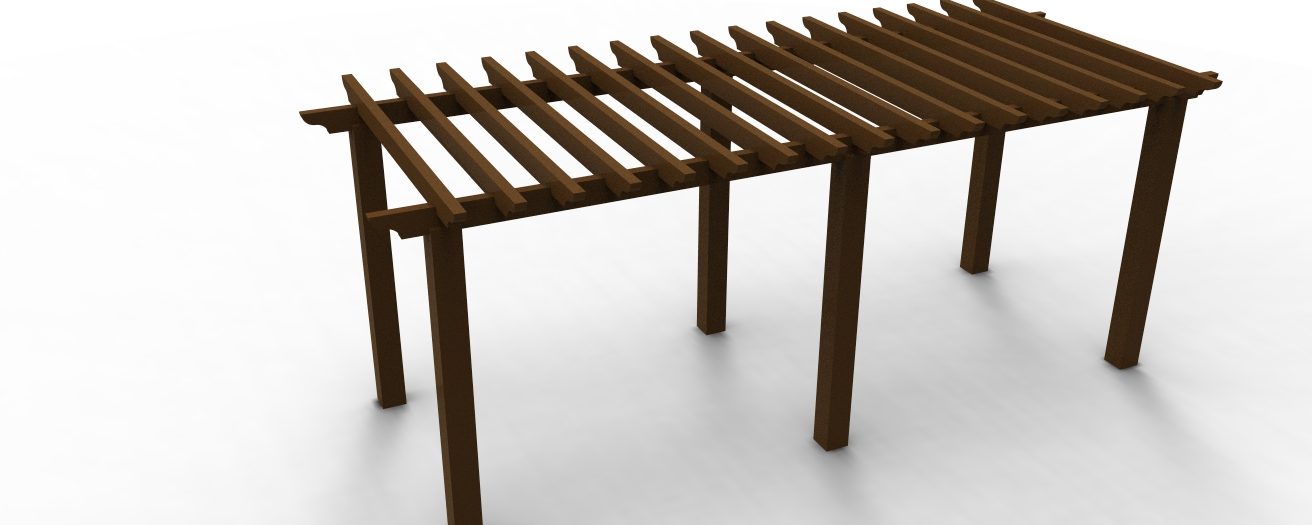
What are the Maintenance tips for plastic wood composite shade structures
Design Considerations for WPC Shade Structures
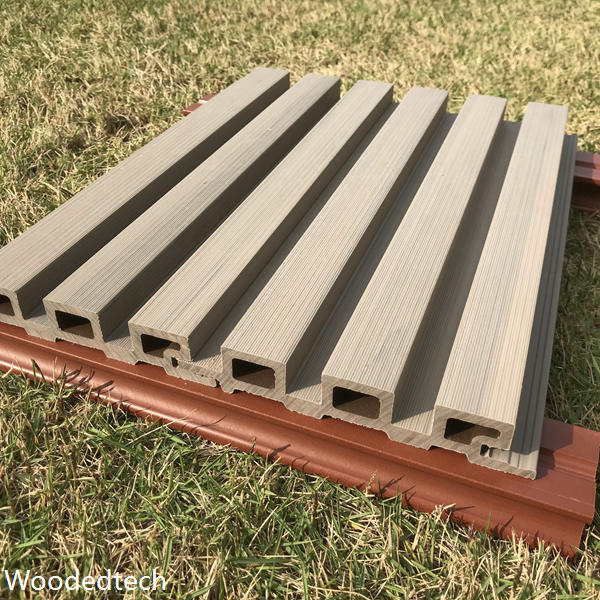
The strength and durability of plastic wood composite (WPC) shade structures significantly depend on the design of the profiles used in their construction. WPC materials can be engineered to create both hollow and solid structures, each offering its unique advantages. Hollow structures are generally lighter, making them easier to install and transport, while solid structures provide greater strength and resistance to impacts. The choice between the two often boils down to the specific requirements of the shade structure, including the expected load it will bear and its environmental exposure.
Rib designs also play an essential role in enhancing structural integrity. Incorporating ribs into the WPC profile can dramatically improve load distribution, allowing the shade structure to withstand harsher weather conditions such as heavy rain or snow. Additionally, ribbed designs can help reduce the overall weight of the structure without sacrificing strength, a crucial consideration when designing large shade systems.
Surface Patterns and Their Impact
The aesthetic appeal of WPC shade structures is influenced by the surface patterns applied during manufacturing. Beyond aesthetics, these patterns can affect the material’s performance characteristics. Textured surfaces can help improve slip resistance, which is particularly valuable in outdoor settings where wet conditions can pose a safety risk. Furthermore, varying surface finishes can impact how sunlight interacts with the material, affecting heat retention and overall comfort underneath the shade structure.
Cost Considerations in WPC Design
Cost is always a critical factor in the design of any material, and WPC is no exception. The choice of profile design, including hollow versus solid and ribbed versus smooth, can have a substantial impact on production costs. Hollow profiles usually consume less material and are less expensive to produce, which can significantly affect the overall cost of the shade structure. However, the long-term benefits of investing in solid structures, which may offer greater durability and reduced maintenance needs, should not be overlooked.
Moreover, the complexity of the mold design will influence manufacturing costs. More intricate designs that include advanced ribbing or unique surface patterns may require more sophisticated and expensive molds, increasing the upfront investment. A thorough analysis of the cost-benefit ratio can help guide decisions about which designs to pursue.
Installation Performance Factors
The ease of installation is a vital consideration for WPC shade structures, heavily influenced by the chosen profile and design. Lightweight hollow profiles can often be handled more easily, reducing labour costs and installation time. However, installers must be trained to handle different types of profiles, as the installation techniques for solid units may differ significantly from those for hollow ones.
Additionally, rib designs can facilitate alignment and secure fastening during installation, thereby enhancing overall stability. It is essential for engineers to collaborate closely with installation teams to ensure that the chosen designs optimally balance strength, weight, and ease of assembly, ultimately leading to a successful installation that meets the client’s expectations.
Long-term Maintenance Tips for WPC Shade Structures
Maintenance tips for plastic wood composite shade structures should always be part of the initial discussions between engineers and clients. Regular cleaning to remove dirt and debris is essential for maintaining the aesthetic appeal and longevity of the structure. Choosing the right cleaning materials is equally important, as harsh chemicals can damage the WPC surface, leading to premature deterioration.
Additionally, periodic inspections of the structural elements, particularly joints and connections, can prevent more extensive repairs later on. Encouraging clients to conduct these inspections will help extend the life of the shade structure and ensure it remains safe and enjoyable for years to come. Ultimately, a well-designed and properly maintained WPC shade structure can offer significant benefits, both functionally and aesthetically, making it a wise investment for any outdoor space.