WPC Board Price List Linked To Material Quality And Durability
Material Quality Behind WPC Board Prices
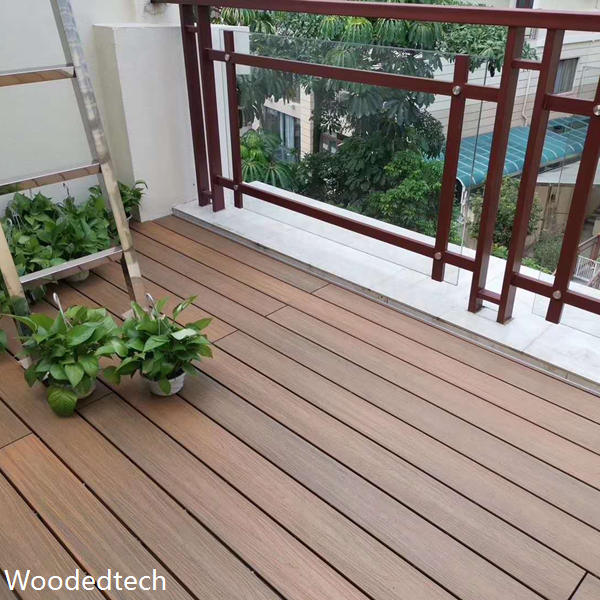
A wpc board price list becomes useful only when buyers connect each quotation to its formulation, profile geometry and intended service conditions. Two boards with identical dimensions can differ substantially in moisture resistance, colour stability and structural performance. For international procurement teams, the cheapest factory quotation may become the more expensive option after freight, installation, replacement labour and warranty claims are included.
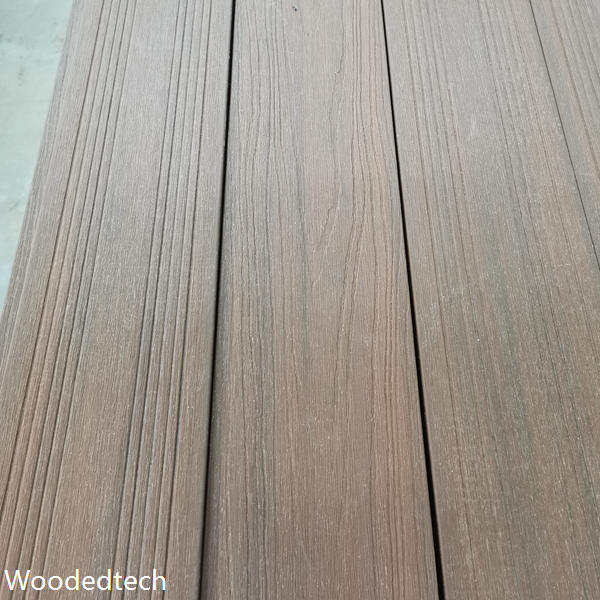
Wood plastic composite usually combines wood flour or other plant fibres with a thermoplastic matrix and additives. Polyethylene, polypropylene and PVC systems have different processing requirements and performance characteristics. Neither recycled nor virgin polymer content alone establishes quality. Consistent feedstock, controlled fibre moisture, effective coupling agents and suitable stabilisers matter more than a simple marketing label. Buyers should request formulation declarations where available, batch traceability and relevant independent test reports.
Durability Depends on More Than Board Weight
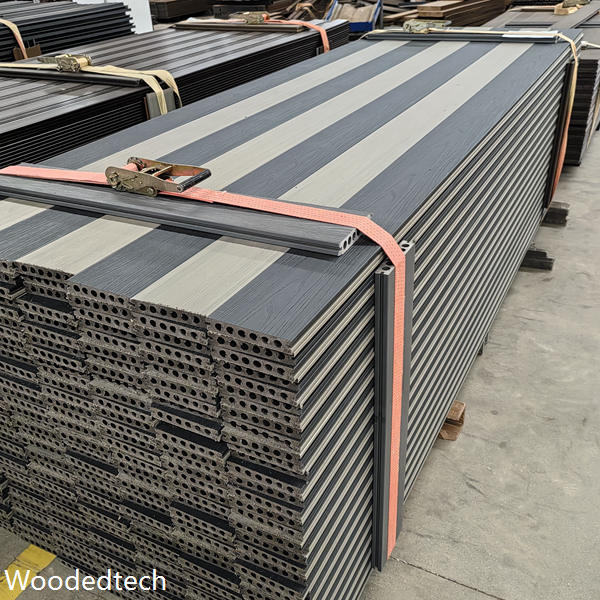
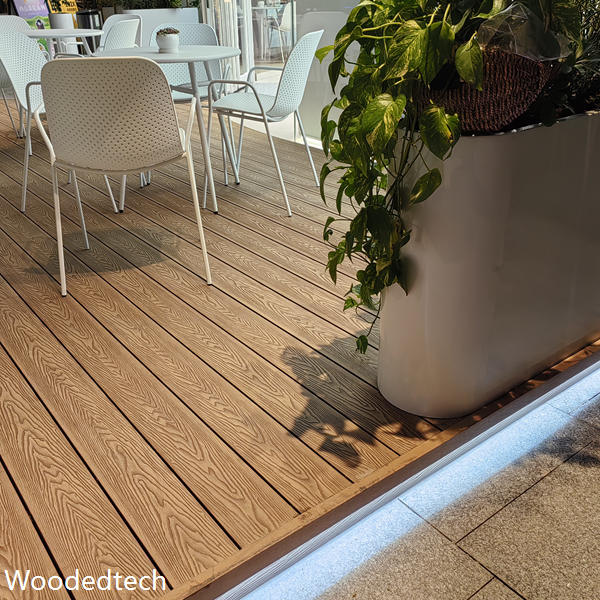
Profile design strongly influences both price and service life. Solid boards generally consume more material, while hollow profiles can reduce weight and shipping costs. However, wall thickness, internal rib design, support spacing and fastening details determine whether either profile suits the application. Comparing prices per linear metre without checking usable width can conceal meaningful differences. Installed square metre cost provides a better basis for comparing decking and cladding offers.
Coextruded cap layers often command a premium because they can improve stain resistance and reduce surface weathering. Their value depends on cap coverage, adhesion, thickness consistency and exposure conditions. A capped board is not automatically scratchproof, fadeproof or suitable for every climate. Request water absorption, flexural performance, thermal movement and weathering results under applicable methods. Slip testing should reflect wet outdoor use, while fire classification must match the specified product assembly and local building requirements.
Regional Demand Is Reshaping Product Specifications
Across established North American and European decking markets, replacement projects and reduced maintenance remain important purchasing drivers. Buyers increasingly compare realistic timber finishes, stain resistance and documented warranties rather than colour alone. European projects also place emphasis on traceable materials and credible environmental information. These requirements create opportunities for suppliers that can provide consistent technical files, rather than treating certification as a substitute for product testing.
In hot climates, including parts of the Middle East and Australia, surface temperature, ultraviolet exposure and expansion allowances deserve particular attention. Dark finishes can become uncomfortable under direct sunlight, regardless of whether boards contain wood fibres. In humid tropical markets, drainage, ventilation and moisture management influence installation success. Price lists intended for export should therefore distinguish product suitability by application and exposure, instead of presenting one specification as universally appropriate.
Cladding, Fencing and Pergolas Need Separate Cost Models
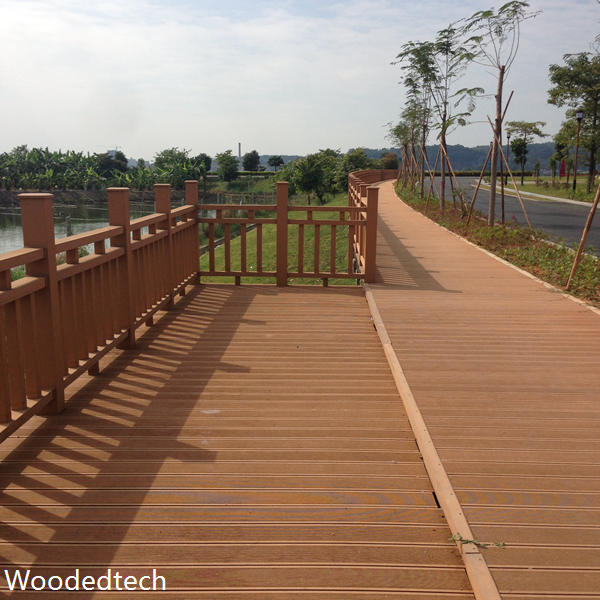
WPC wall cladding, fencing and landscape screens broaden the market beyond residential decks, but each application changes the purchasing calculation. Cladding quotations should identify subframes, clips, trims, ventilation provisions and any fire performance limitations. Fence systems require evidence relevant to wind loading, post spacing and fixing strength. Board prices alone cannot describe the cost of a complete compliant system, particularly where aluminium or steel supports account for a substantial share.
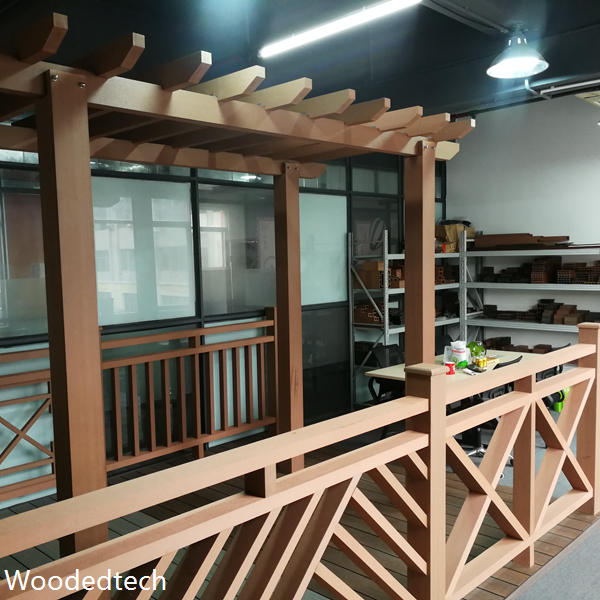
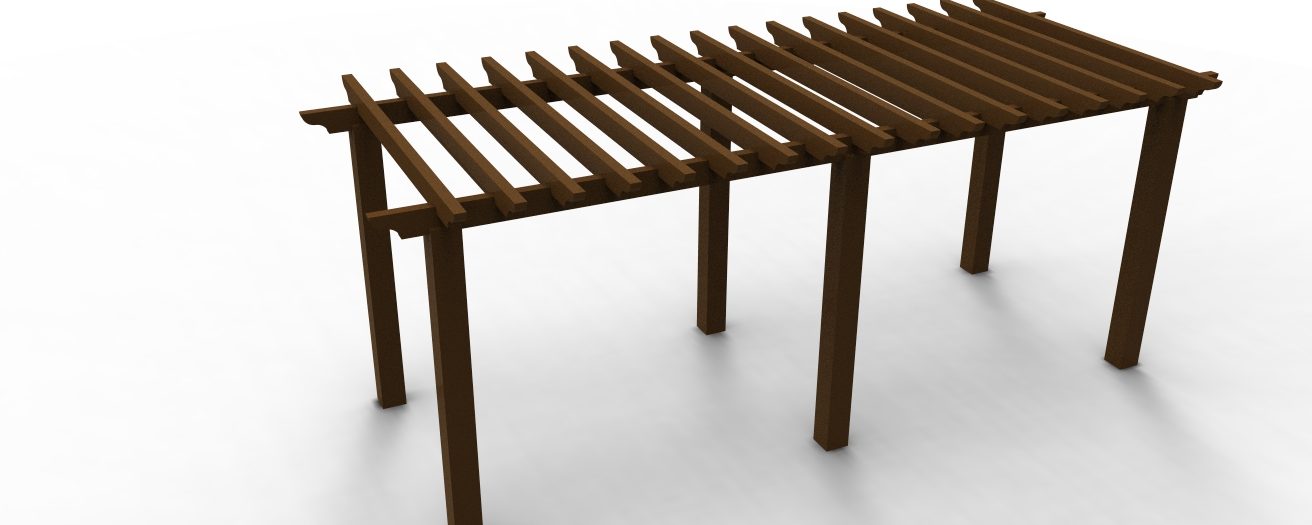
Pergolas demand additional caution because decorative WPC members should not be assumed to carry structural loads. Some systems depend on internal reinforcement or separate supporting frames. Landscape products, including planters, benches and privacy partitions, offer opportunities for coordinated finishes and repeat orders. For OEM buyers, shared profiles can simplify inventory, but tooling charges, minimum order quantities, colour matching and replacement component availability should be agreed before launch.
Future Opportunities Reward Verifiable Value
The strongest opportunities are likely to favour suppliers that combine application specific engineering with transparent commercial terms. A practical wpc board price list should state profile dimensions, weight tolerances, surface treatment, packaging quantity, quotation currency, delivery terms and validity period. It should also separate boards from accessories and identify testing or customisation charges. Export buyers can then calculate landed costs using actual container loading, duties, inland transport and expected installation waste.
Demand for lower maintenance outdoor spaces supports opportunities in hospitality refurbishments, multifamily housing and public landscapes. Circular material strategies may strengthen competitiveness where recycled content is traceable and end of life routes genuinely exist. Environmental claims need evidence, not broad promises of sustainability. Suppliers offering dependable batch quality, installation training, spare components and responsive after-sales support can compete on lifetime value while protecting distributors and project owners from avoidable replacement costs.