Kompozit Decking Ne Yaptırıyor?İçinde Fabrika Üretimi
Composite Decking What Is It Made Of?
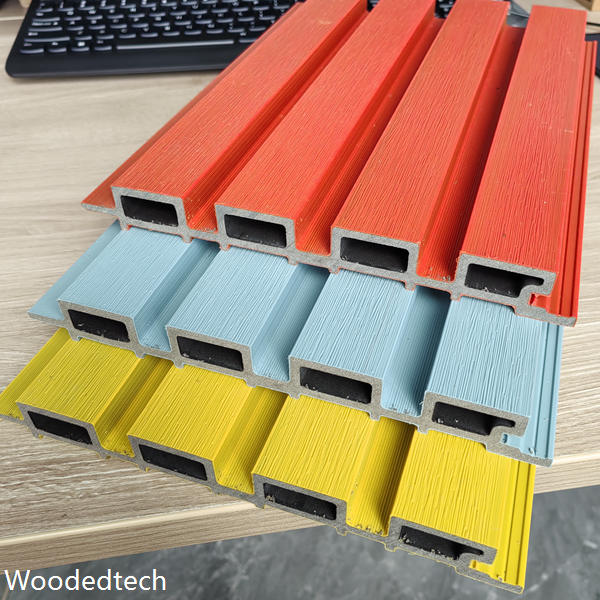
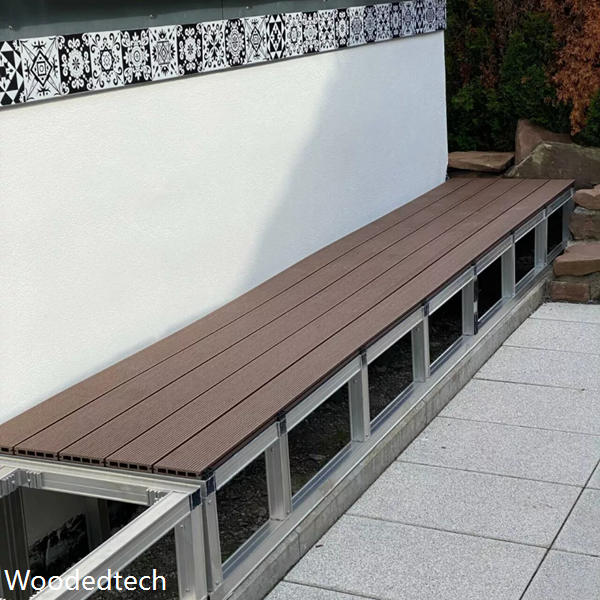
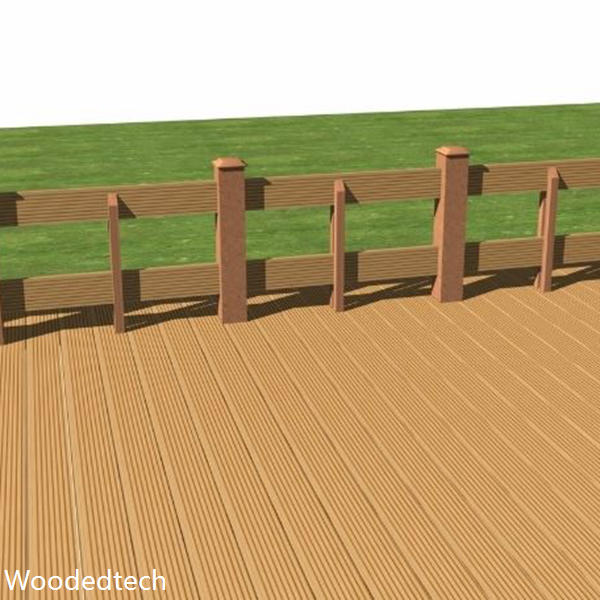
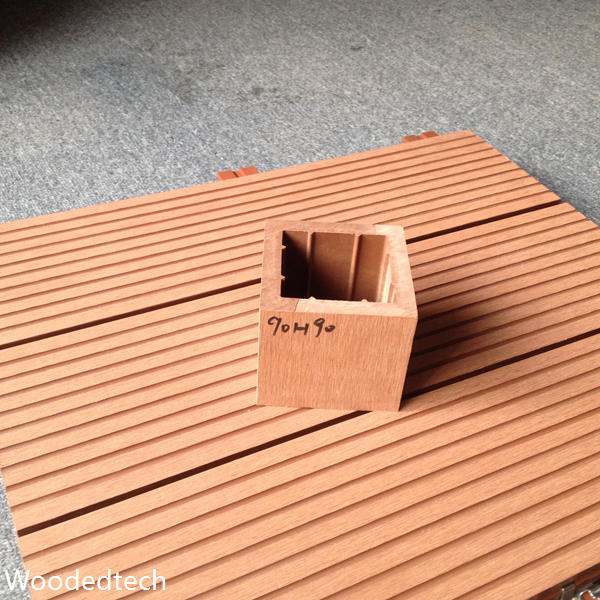
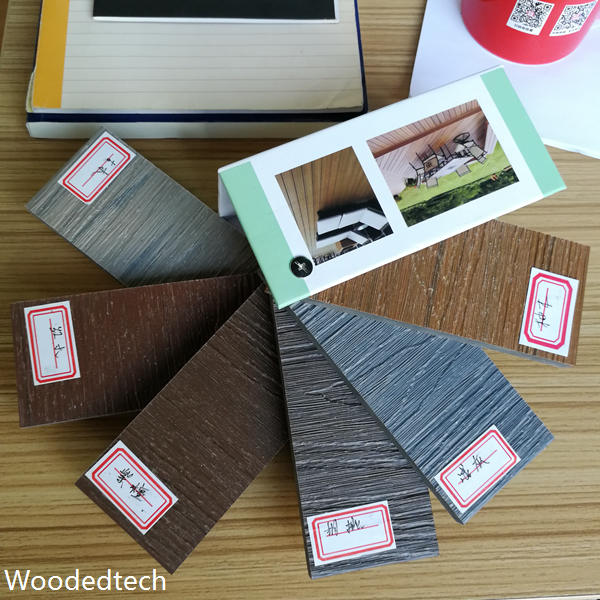
For an export packaging engineer, the question composite decking what is it made of has a direct bearing on how each shipment should be protected. Most WPC decking boards combine wood flour or wood fibre with thermoplastic resin, commonly polyethylene or polypropylene, along with pigments, lubricants, stabilisers and coupling agents. The wood component gives the surface a natural appearance and stiffness, while the polymer binds the material and improves resistance to moisture. Factories may also produce capped boards with a co-extruded protective layer that improves colour retention, stain resistance and surface durability.
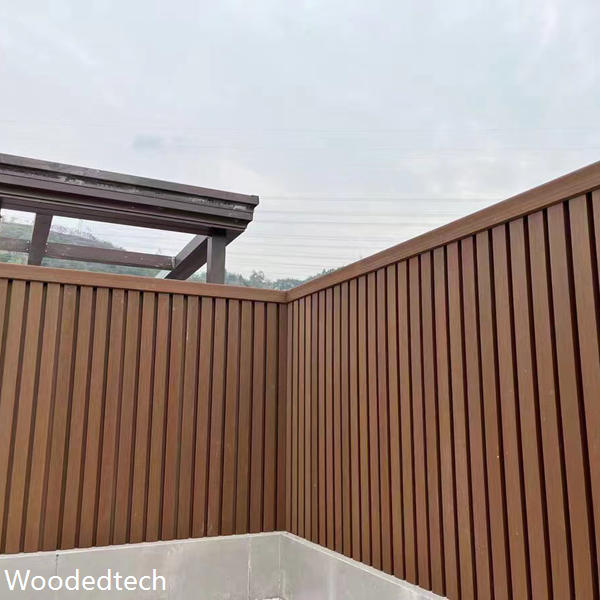
These material differences affect packaging decisions. A solid board is heavy and places significant pressure on the lower layers of a bundle. Hollow boards reduce weight, but their internal webs can be damaged by concentrated strapping force or rough forklift handling. Wall panels and decorative profiles often have thinner sections, sharper edges or textured finishes, so they require different separators, corner protection and compression limits. Packaging begins with the product specification rather than a standard carton size.
Factory Production and Packaging Design
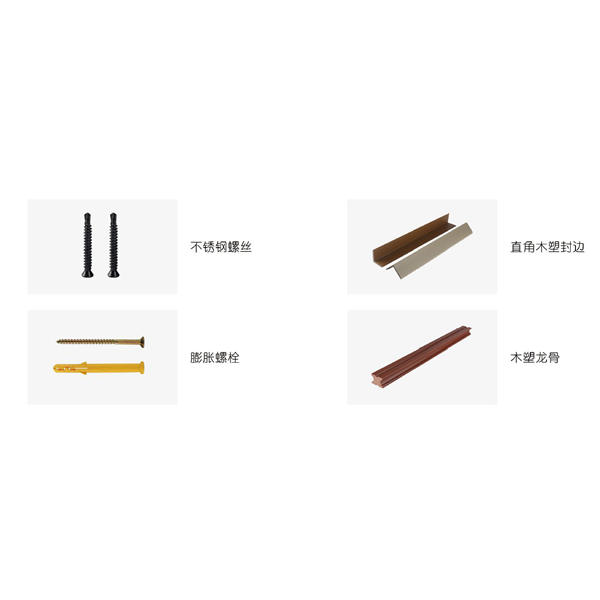
After compounding, extrusion, calibration and cooling, WPC products are cut to controlled lengths and inspected for colour, dimensions, surface quality and straightness. Packaging engineers use these production data to create a stable export unit. Decking boards are usually aligned into bundles with the same length and profile, while accessories such as clips, screws and installation tools are packed separately to prevent movement against finished surfaces.
Protective materials are selected according to the intended transport route. Foam sheets, kraft paper, corrugated separators and polyethylene film can prevent abrasion between boards. Edge guards distribute pressure from polyester or polypropylene straps, and timber or composite bearers keep bundles clear of standing water and allow forklift access. For premium capped decking, the visible face is often covered with a soft protective layer before the outer wrap is applied. The packaging must restrain the load without marking the board surface.
Protection During Ocean Transport
Long-distance sea freight exposes WPC products to vibration, repeated handling, salt-laden air and changing temperature. A container may experience condensation when warm daytime air meets a cooler steel wall, creating moisture inside the load even if rain never enters. Packaging therefore needs controlled ventilation and materials that do not trap water against the product. Fully sealed film can be appropriate in some climates, but only when the factory has assessed moisture content, desiccant requirements and the expected voyage conditions.
Export bundles are arranged to avoid sliding during acceleration, braking and crane handling. Internal voids are reduced with spacers, while load plans maintain a balanced centre of gravity across the container floor. Dunnage, anti-slip sheets and lashing points help keep bundles stable without crushing hollow sections. Container stuffing records should identify bundle quantities, gross weight, stacking orientation and the position of fragile profiles. This information supports safe unloading at the destination and makes damage investigations more precise.
Packaging for Decking Boards, Panels and Profiles
Decking boards normally travel in strapped bundles with strong end protection because their long length makes bending and impact more likely. The number of boards per bundle is calculated from weight, profile geometry and the safe working limit of the packaging. A bundle that is too large may be difficult to lift and may suffer deformation at its centre. A smaller bundle costs more in materials and uses container space less efficiently, so the factory tests practical handling conditions before confirming the export format.
Wall panels need protection against face scratches, corner impact and distortion along their locking edges. Interlocking profiles are separated so that pressure does not damage the joint. Decorative trims, skirting and narrow mouldings may be packed in rigid cartons with internal dividers, particularly for mixed OEM orders. Labels should show product code, colour, length, quantity, batch number, gross weight and handling orientation. Clear identification reduces warehouse errors and supports traceability for quality inspection and after-sales service.

Testing, Compliance and Continuous Improvement
A reliable factory validates export packaging through compression tests, vibration trials, drop checks for smaller cartons and simulated container stacking. The test programme should reflect actual sea freight rather than only a clean warehouse environment. Engineers inspect bundle tightness, film tears, crushed corners, surface scuffing, moisture marks and profile deformation after testing. Results are compared with the incoming inspection record so that product damage can be distinguished from production variation.
Packaging materials must also meet destination requirements. Timber bearers and crates may need heat treatment and approved marking under international plant health rules. Carton dimensions should be checked against container utilisation, pallet limits and local handling equipment. Factories that review damage claims by route, carrier, product and packaging format can improve the design with evidence. A well-engineered export pack protects the boards, reduces replacement costs and presents the manufacturer as a dependable supplier to international distributors, contractors and OEM customers.