Древесный Зерновой Доска WPC Утечки Неприятности Для Царапин, Пробелов, Цветных Различий И Ухода
Set Clear Standards Before Placing an Export Order
Scratches, gaps and colour differences often become disputes because buyers and suppliers did not agree on what was acceptable before production. As an exporter of outdoor WPC products, I start each quotation by confirming the board profile, dimensions, surface finish, intended application and destination climate. A price for wpc wood grain board should also state the packaging method, order quantity, delivery terms and whether clips or other installation accessories are included.
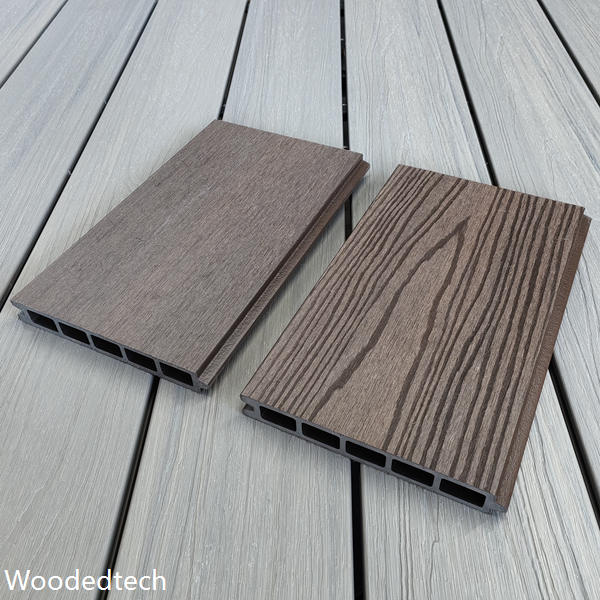
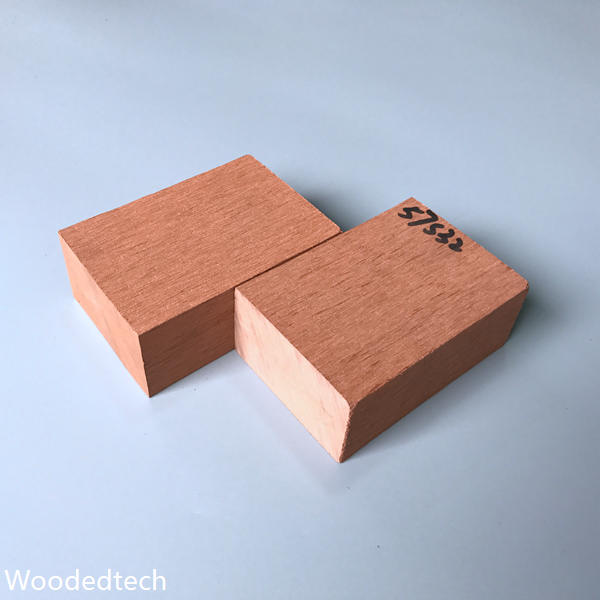
Sample approval turns those details into a practical reference. Ask for a production representative sample rather than relying solely on photographs, which can distort grain depth and colour. Record the approved shade, surface texture and acceptable variation in writing. For a large project, retain matching reference samples with both the factory and overseas distributor so incoming goods can be checked against the same standard.
Diagnose Scratches Without Damaging the Grain
First establish whether a mark occurred during extrusion, packing, transport or installation. Repeated lines in the same position on several boards suggest a production or handling issue. Isolated marks near cut ends or fixing points more often arise on site. Check the surface in daylight after cleaning it with water and a soft cloth; dust and packaging residue can resemble shallow scratches.
For minor scuffs, follow the manufacturer’s repair guidance for the specific finish. Light brushing in the grain direction may suit some sanded surfaces, but it can permanently alter a deep embossed or capped board. Avoid aggressive sanding, solvents and wire brushes. If the protective cap is cut through, replacement is usually preferable to a cosmetic repair, particularly where appearance and weather resistance matter to the customer.
Check Gaps Against Installation Conditions
Visible gaps are not automatically defects. Outdoor boards need room for thermal movement, drainage and ventilation, and the required spacing depends on product design and installation temperature. Compare the finished work with the supplier’s current installation instructions, including end gaps, side spacing, joist centres and edge clearances. A gap that widens unevenly may indicate loose clips, unsupported ends or subframe movement rather than inconsistent extrusion.
Where a complaint involves several markets, request dated site photographs, board lengths, ambient temperature and fixing details before offering a remedy. This evidence helps the factory distinguish dimensional variation from installation error. Distributors should receive installation instructions with each product range and pass them to contractors before work begins. Changing the specified gap to improve the appearance on a cool day can create buckling during hotter weather.
Separate Normal Colour Variation From Batch Problems
Wood grain finishes may show deliberate variation across boards, while outdoor exposure can gradually change their appearance. However, abrupt differences between adjacent planks warrant a closer look. Check batch codes and compare unused boards under consistent daylight. Boards stored partly uncovered can look different from those kept in their wrapping, and mixing production batches on a prominent elevation can make an otherwise acceptable range of shades appear patchy.
For repeat orders, agree a colour control process before confirming the purchase order. The approved sample should have a reference number, with production samples checked against it before loading. Ask the factory to identify cartons or pallets by batch, and instruct installers to blend boards from several packs where the design permits. For a genuine mismatch, retain labelled offcuts and photographs so the exporter can investigate the production record.
Protect Boards Through Packaging and Container Loading
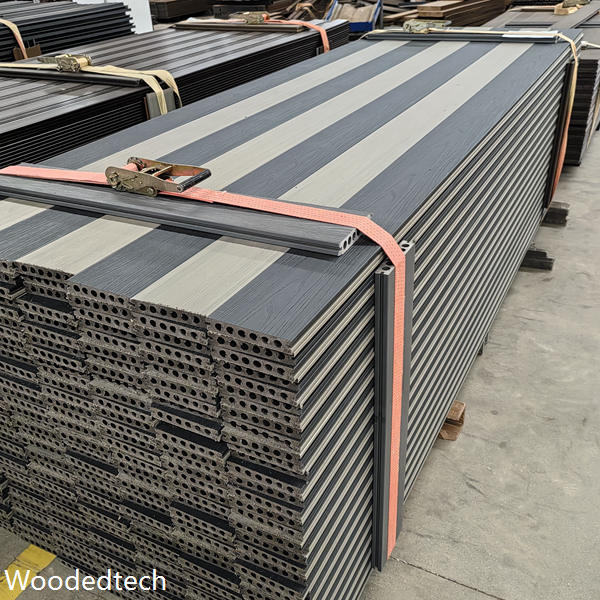
Good packaging prevents many claims before the shipment leaves the factory. The quotation should specify protective film or separators where appropriate, corner protection, strapping and pallet construction. Packs must support the full board length without excessive overhang. Confirm packaging dimensions early, especially for long boards that may limit container loading options or require a different handling plan at the destination warehouse.
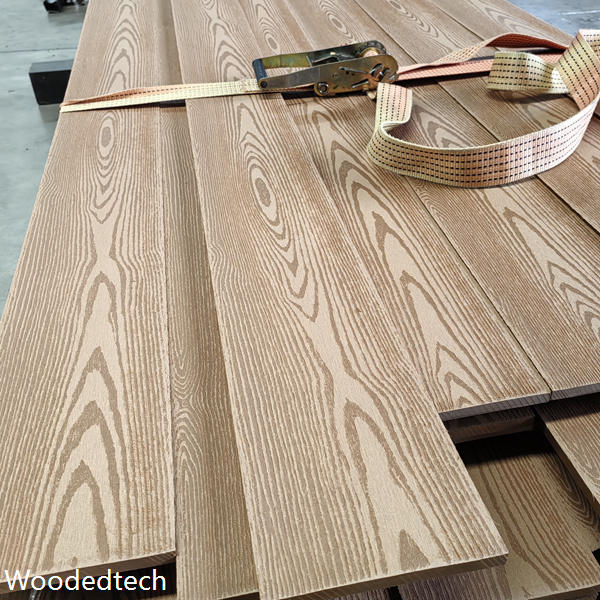
During container loading, keep packs level, distribute weight properly and secure them against movement. Moisture protection matters on long sea voyages, but wrapping should not trap wet boards. Request loading photographs showing pallet condition, container number and final stowage. Before dispatch, check that the commercial invoice, packing list, bill of lading and any required certificate of origin match the order. Document discrepancies can delay customs clearance even when the boards arrive undamaged.
Make Distributor Claims Useful for Future Orders
An overseas distributor needs a clear route for reporting problems, not a vague promise of after-sales support. Agree the claim period and evidence requirements during purchasing. Useful records include carton labels, affected quantities, photographs taken before installation, site conditions and a description of any cleaning or repair attempted. Keep damaged material available for inspection until the supplier has responded.
The strongest partnerships use claims to improve the next shipment. If scratches recur, revise separators or handling procedures. If gap complaints cluster in a hot climate, review the installation guidance supplied locally. If colour differences cause repeated site sorting, tighten batch identification and sample approval. A distributor who can identify the cause promptly protects both the customer’s project and the continuity of the supply relationship.