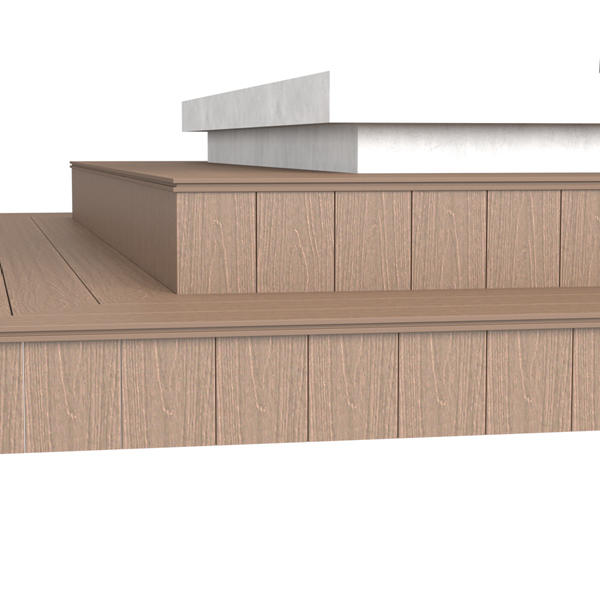
Taglio CNC del bordo del WPC: test di spedizione per la qualità affidabile del prodotto
Shipment Tests for WPC Board CNC Cutting Quality
International buyers of outdoor WPC products need more than a competitive factory price. They need confidence that boards will arrive with stable dimensions, clean edges and a surface suitable for further machining. For this reason, wpc board cnc cutting should be discussed during the export quotation stage, especially when the boards will be used for fencing, pergolas, decking, garden screens or custom landscape structures. The cutting result depends on board density, moisture content, hardness, thickness tolerance and surface consistency.
As a foreign trade export specialist, I normally ask for the buyer’s drawings, board specifications, expected annual volume and destination market before preparing a quotation. The offer should state the board dimensions, colour, surface finish, packaging method, minimum order quantity, production lead time and trade term, such as FOB or CIF. If CNC machining is required, the quotation should also clarify cutting tolerances, hole positions, edge profiles and whether tooling or programming charges apply. Clear technical information prevents a low initial price from becoming an expensive dispute later.
Sample Approval Links Design with Production
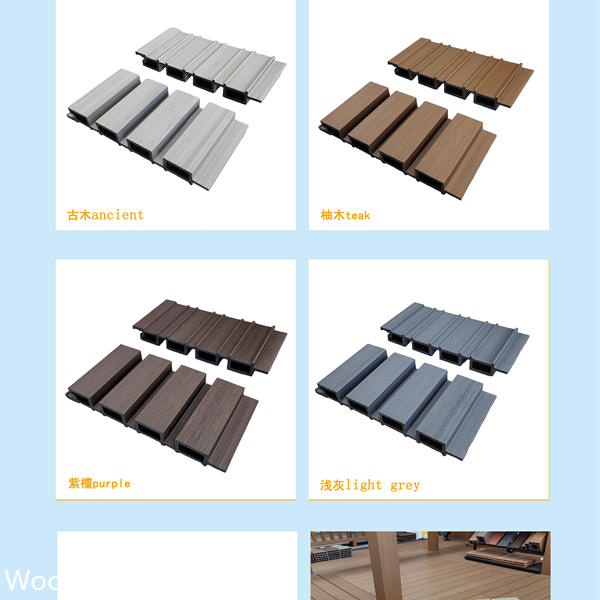
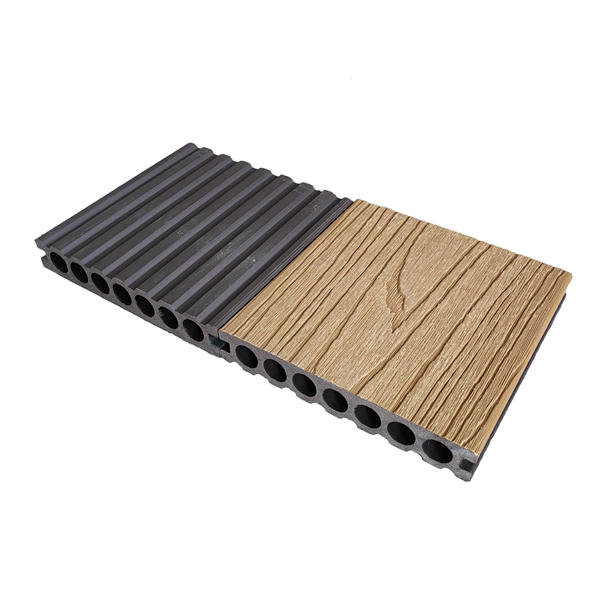
A physical sample is essential before mass production. Digital drawings show shape and dimensions, but they cannot fully reveal how a WPC board cuts, drills or reacts to routing. The exporter should send a representative sample from the proposed production formula and surface batch. Overseas distributors, product designers and installation teams can then check colour, texture, weight, edge quality and compatibility with their own brackets or fixing systems.
Sample approval should be recorded in writing, with signed drawings or an approved specification sheet attached to the order. For wpc board cnc cutting, the approval file should include the cutting file version, dimensional tolerance and inspection points. A trial piece can confirm whether holes remain clean, whether narrow sections warp, and whether routing exposes an uneven internal structure. Keeping an approved reference sample at the factory gives quality inspectors a practical comparison during production and before shipment.
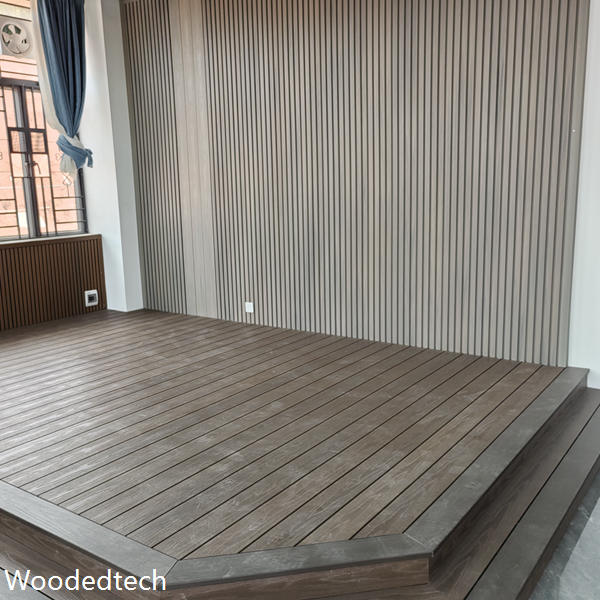
Factory Inspection Covers CNC and Material Stability
Before loading, the quality control team should inspect both the raw boards and the finished cut parts. Board length, width and thickness are measured at several positions, while moisture content and visual defects are recorded. CNC parts require additional checks for hole diameter, centre distance, corner radius, edge chipping and cut direction. Parts that look acceptable from a distance may still create installation problems if screw holes are offset by only a few millimetres.
Shipment tests should also include a review of stacking pressure and handling marks. Cut boards must be separated with suitable protective layers so that routed edges do not scratch adjacent surfaces. For long export journeys, the packaging team should consider container humidity, vibration and repeated loading movements. Photographs, inspection records and carton counts should be shared with the buyer before dispatch. This evidence supports faster acceptance by overseas distributors and gives after-sales engineers a clear production reference if a site issue appears.
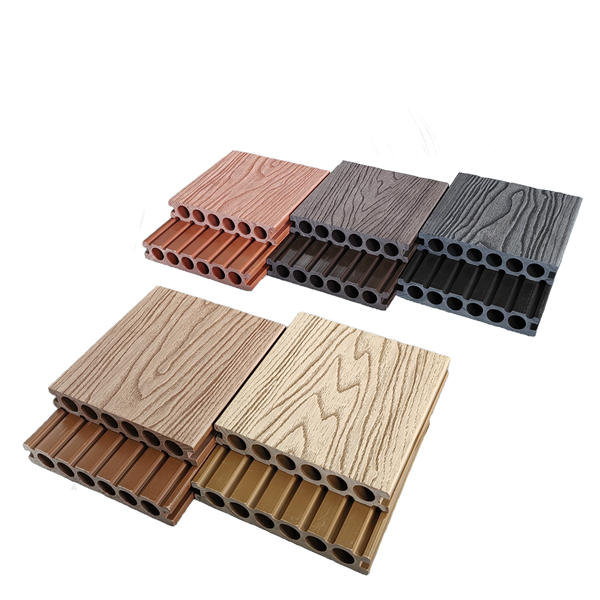
Packaging and Container Loading Protect Finished Parts
WPC packaging must match the shape and value of the goods. Standard boards may be bundled with corner protection and moisture-resistant wrapping, while CNC-cut components often need stronger cartons, foam separators or tailored pallets. Each package should show the product code, quantity, dimensions, gross weight and handling marks. Labels written only in an internal factory code can slow warehouse receiving and create confusion for a distributor managing several product ranges.
Container loading is checked against the packing list and the agreed loading plan. Heavy pallets should be positioned to maintain weight balance, with voids secured to limit movement during sea transport. The exporter should record container number, seal number, loading photographs and the final quantity of cartons or pallets. These details help the buyer trace a shipment from the factory to the destination warehouse. They also reduce disagreements about shortage, damaged packaging or mixed colours after unloading.
Export Documents Support Distributor Cooperation
A reliable shipment depends on accurate documents as much as careful manufacturing. The commercial invoice, packing list, bill of lading, certificate of origin and any requested test reports must use matching product descriptions, quantities and weights. Some markets may require declarations for composition, fire performance, recycled content or chemical compliance. The export team should confirm document requirements with the distributor before production, because correcting paperwork after vessel departure can delay customs clearance and delivery to the installation site.
Long-term cooperation improves when the exporter provides a clear communication schedule. The overseas distributor should receive order confirmation, production updates, sample approval records, pre-shipment inspection results and scanned shipping documents at agreed points. After delivery, feedback on CNC fit, packaging performance and customer installation should return to the factory’s engineering and quality teams. This information can guide future board formulas, cutting parameters and packaging design, helping each shipment arrive ready for accurate assembly in demanding outdoor projects.