Quali sono i vantaggi delle strutture Pavilion Polymer Wood Composite
Design innovativo delle strutture composite in legno di polimero del padiglione
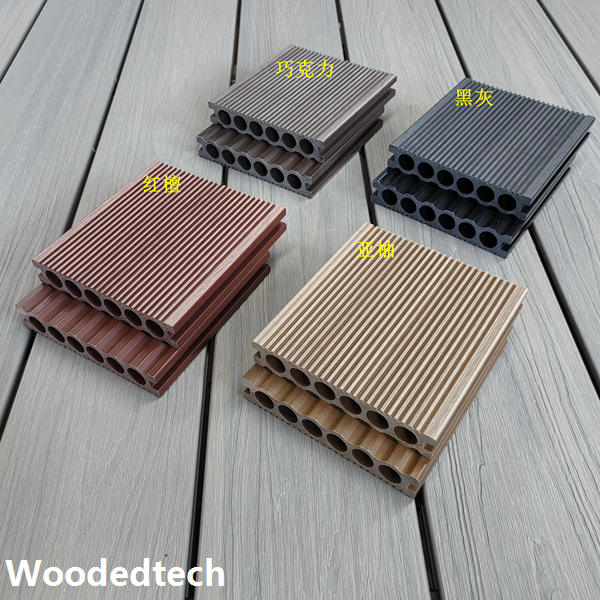
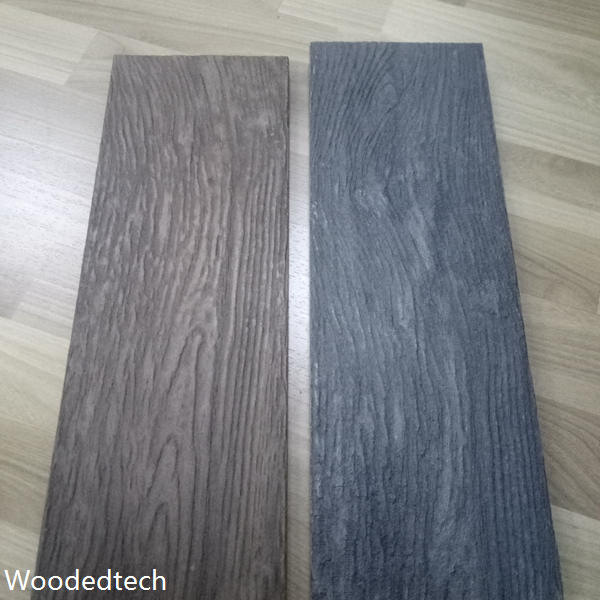
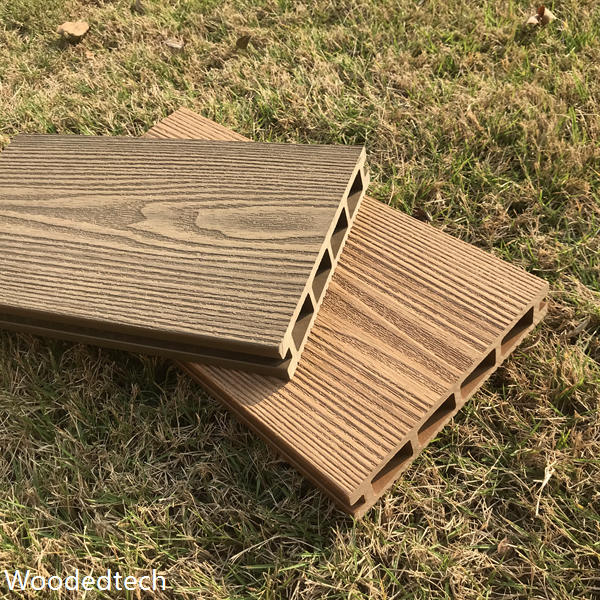
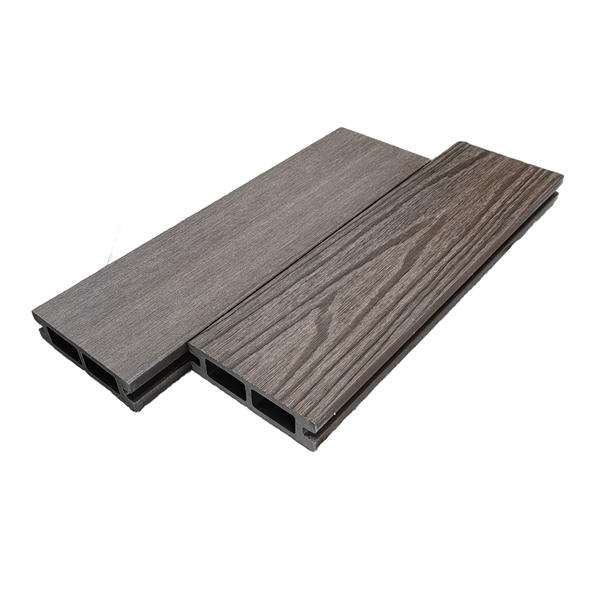
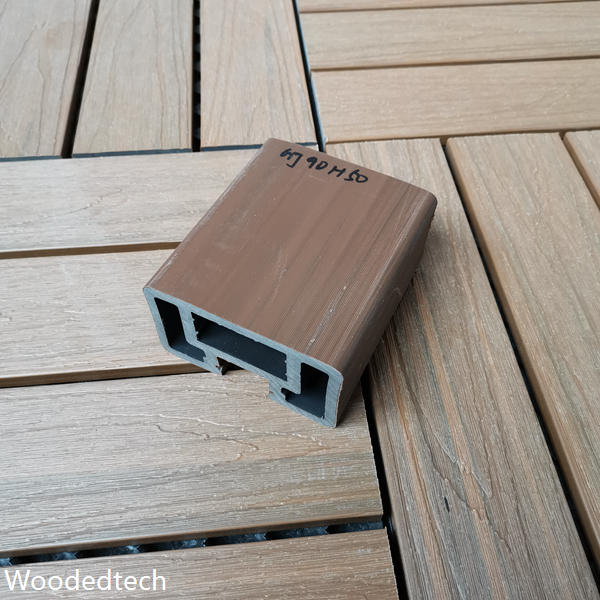
Le strutture Pavilion Polymer Wood Composite (WPC) si distinguono per le loro innovative capacità di progettazione.La combinazione di fibre e polimeri di legno crea un'estetica unica che replica l'aspetto del legno naturale offrendo una maggiore durata.Questa fusione consente ad architetti e designer di esplorare nuovi orizzonti nella costruzione all’aperto, garantendo che i loro progetti non solo soddisfino le esigenze estetiche, ma resistano anche ai rigori del tempo e del tempo.La versatilità dei materiali WPC consente di essere modellati in varie forme e dimensioni, consentendo soluzioni personalizzate su misura per esigenze specifiche del progetto.
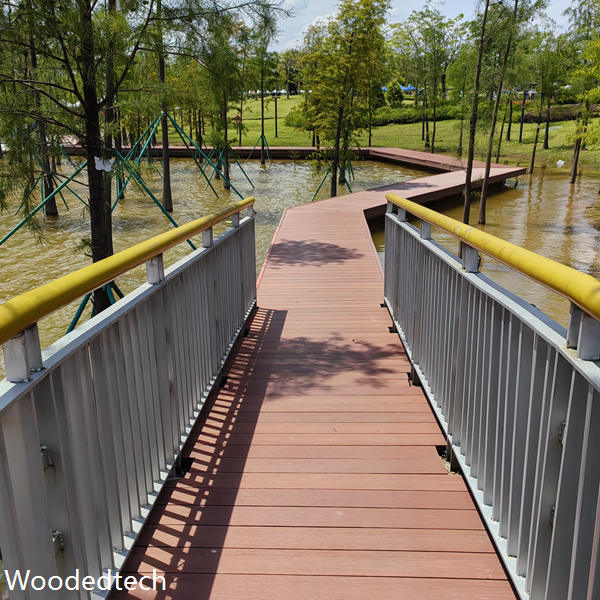
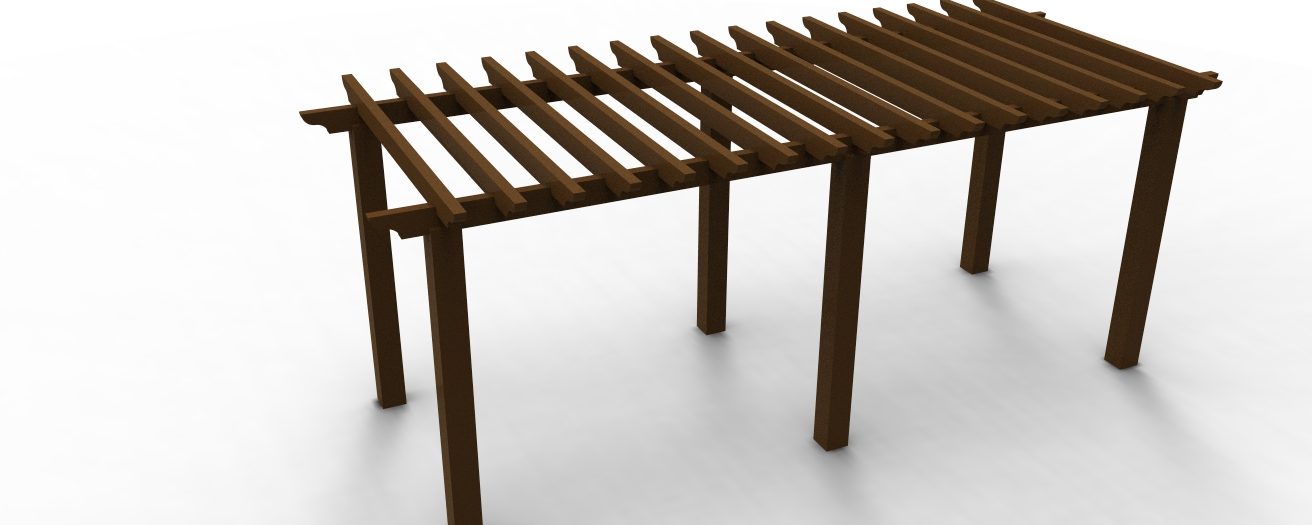
Inoltre, le strutture del padiglione realizzate con materiali compositi in legno polimerico possono essere progettate per completare una varietà di impostazioni ambientali.Sia situato in un vivace parco urbano o in un giardino sereno, WPC offre un'estetica che armonizza con la natura fornendo un elemento di modernità.Questa adattabilità è particolarmente vantaggiosa per gli acquirenti internazionali che cercano di migliorare gli spazi esterni con elementi architettonici durevoli e visivamente accattivanti.
Durata e bassa manutenzione delle strutture WPC
Uno dei vantaggi di spicco di Pavilion Polymer Wood Composite è la sua durata.A differenza del legno tradizionale, il WPC è resistente al marciume, al decadimenza e ai danni degli insetti, rendendolo una scelta pratica per applicazioni esterne.Questa longevità riduce la necessità di sostituzioni o riparazioni frequenti, riducendo così i costi complessivi del progetto a lungo termine.I clienti che cercano soluzioni per esterni sono spesso interessati alla manutenzione; le strutture WPC richiedono una manutenzione minima rispetto alle loro controparti in legno.Non richiedono una normale colorazione o sigillatura, che può essere sia dispendiosa in termini di tempo che di costosa.
Inoltre, WPC è progettato per resistere a condizioni meteorologiche estreme, tra cui luce solare intensa e forti piogge.La resistenza ai raggi UV insita nel materiale protegge dallo sbiadimento, assicurando che il padiglione mantenga il suo fascino visivo nel corso degli anni.Questo aspetto è particolarmente critico per i mercati internazionali con climi variabili, in quanto assicura agli acquirenti l’affidabilità e le prestazioni del prodotto indipendentemente dalla posizione geografica.
Sostenibilità ambientale dei materiali WPC
L’impatto ambientale dei materiali da costruzione è una considerazione significativa nel mercato di oggi.Pavilion Polymer Wood Le strutture composite presentano un'alternativa ecologica.L'uso di fibre di legno riciclate e polimeri sostenibili si allinea con la crescente domanda di materiali da costruzione sostenibili.Scegliendo WPC, le aziende possono promuovere il loro impegno per ridurre la loro impronta di carbonio e contribuire a un futuro più sostenibile.
Inoltre, il processo di produzione per WPC comporta meno consumo energetico rispetto ai metodi tradizionali di raccolta e trattamento del legno.Questa riduzione dell'utilizzo delle risorse rende WPC una scelta favorevole per gli acquirenti attenti all'ambiente.Con l'aumento delle normative e la preferenza dei consumatori che si spostano verso opzioni sostenibili, l'adozione di Pavilion Polymer Wood Composite nei progetti migliora la commerciabilità e la reputazione di un'azienda.
Efficienza dei costi delle strutture del padiglione WPC
Quando si considerano i vincoli di budget, le strutture Pavilion Polymer Wood Composite presentano un vantaggio competitivo.Mentre l'investimento iniziale può essere leggermente superiore alle strutture standard del legno, la longevità e la riduzione delle spese di manutenzione contribuiscono in modo significativo al risparmio complessivo dei costi.La resistenza di WPC ai fattori ambientali significa che gli acquirenti possono aspettarsi una durata più lunga senza la necessità di riparazioni o sostituzioni estese.
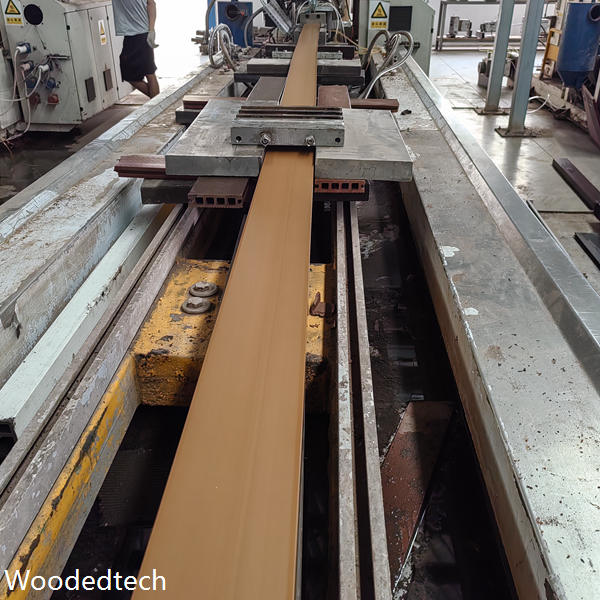
Inoltre, la facilità di installazione associata ai materiali WPC consente un completamento del progetto più rapido.I progetti che possono essere completati in modo efficiente riducono il costo del lavoro e consentono un ritorno più rapido sugli investimenti.Per gli acquirenti internazionali, l'efficacia in termini di costi delle strutture WPC può essere un fattore decisivo, in particolare per gli sviluppi su larga scala che richiedono un impegno finanziario significativo.
Applicazioni versatili delle strutture WPC
Pavilion Polymer Wood Composite è adatto per una varietà di applicazioni oltre i padiglioni tradizionali.La sua durata e il fascino estetico lo rendono ideale per mobili per esterni, decking e persino scherma.Questa versatilità apre numerose possibilità per produttori e appaltatori che desiderano diversificare le loro offerte.Mentre l'urbanizzazione continua a salire a livello globale, la domanda di strutture e materiali per esterni di alta qualità è aumentata, posizionando WPC come opzione leader.
Inoltre, l’adattabilità del WPC permette di utilizzarlo in vari stili architettonici, ospitando sia design contemporanei che tradizionali.Questa flessibilità è particolarmente attraente per gli acquirenti internazionali che cercano materiali in grado di soddisfare le diverse preferenze del mercato.Di conseguenza, le strutture Pavilion Polymer Wood Composite non solo soddisfano le esigenze funzionali, ma migliorano anche l'esperienza complessiva degli spazi esterni, rendendoli un investimento saggio per progetti futuri.