In che modo il legno composito Espalier migliora la decorazione e il paesaggio da giardino
Miglioramento dell'estetica del giardino con l'espaliero composito di legno
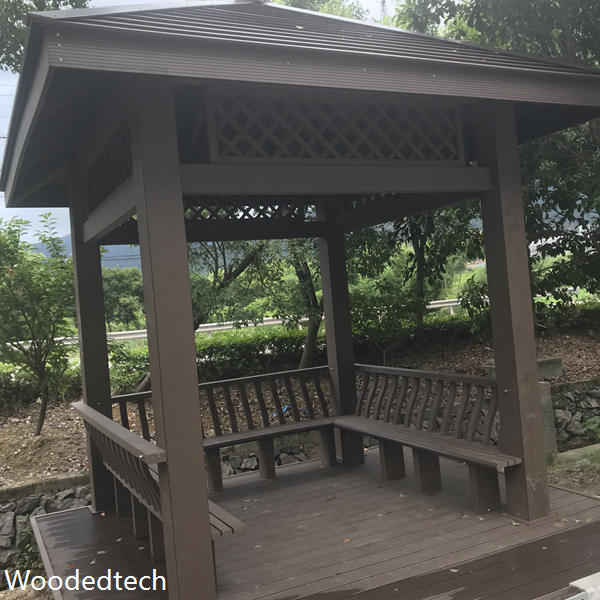
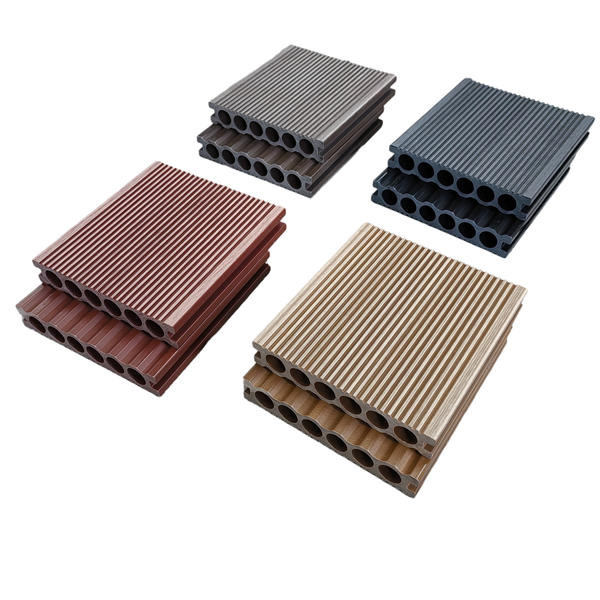
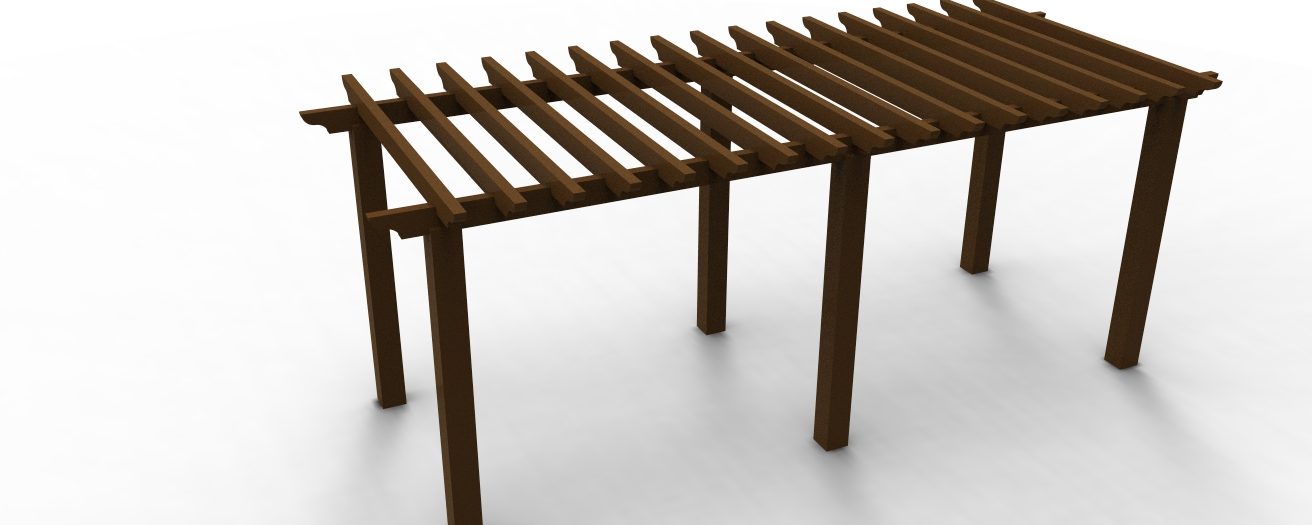
Nel paesaggio moderno, l'espalier composito in legno è emerso come una scelta preferita per migliorare le decorazioni murali da giardino.La sua combinazione unica di aspetto in legno naturale e materiali sostenibili si rivolge sia alla sensibilità estetica che alle considerazioni ambientali.Questo prodotto innovativo consente di progettare progetti altamente creativi, fungendo da elemento giardino verticale che non solo abbellisce gli spazi ma supporta anche la crescita delle piante.La versatilità degli espalier compositi in legno li rende adattabili a vari stili paesaggistici, creando una miscela senza soluzione di continuità con giardini tradizionali o spazi esterni contemporanei.
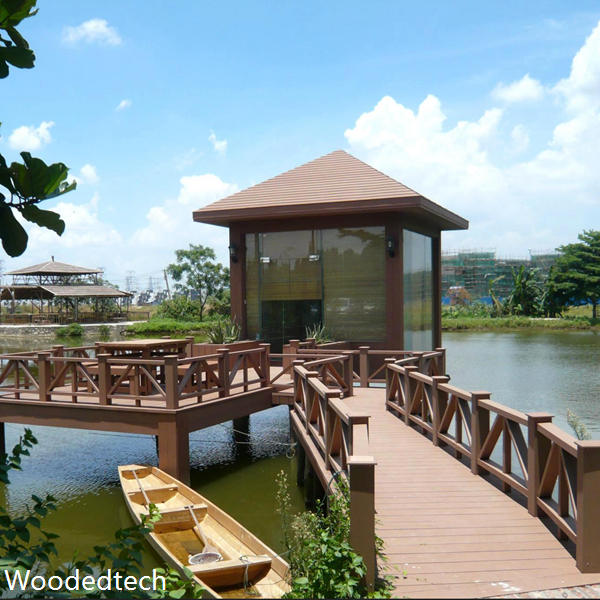
I materiali compositi in legno sono progettati per resistere a varie condizioni meteorologiche, pur mantenendo la loro integrità strutturale.Questa durata garantisce ai progettisti la libertà di esplorare disegni audaci che potrebbero non essere fattibili con il legno tradizionale.Quando posizionato strategicamente contro muri o recinzioni, espalier può trasformare un giardino ordinario in un ritiro vibrante, migliorando l'atmosfera generale e l'apparente visivo.
Soluzioni di imballaggio di esportazione per i prodotti compositi di legno
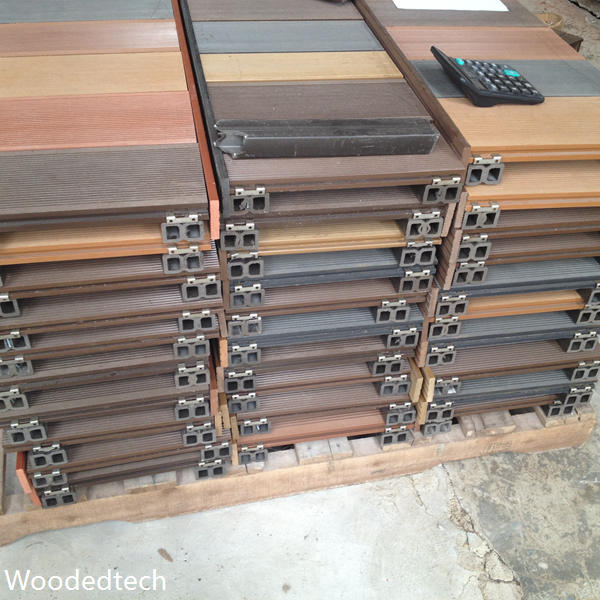
Quando si tratta dell'esportazione di prodotti compositi in legno, in particolare i spalier, il design del packaging diventa fondamentale.Le fabbriche devono considerare il trasporto oceanico a lunga distanza che questi prodotti sopportano.L'obiettivo primario è quello di garantire che i prodotti arrivino alle loro destinazioni in condizioni incontaminate.I materiali di imballaggio robusti e protettivi che sono resistenti all'umidità e agli impatti sono essenziali.Ciò comporta spesso progetti personalizzati su misura per le dimensioni e la fragilità specifiche delle schede, dei pannelli e dei profili per ridurre al minimo il movimento durante il transito.
Il processo di confezionamento include l'utilizzo di contenitori o casse rinforzate che fissano le spalliere composite in legno e impediscono danni da spostamento o pressione di impilamento.Inoltre, l'integrazione di materiali ammortizzanti e barriere all'umidità è di vitale importanza.Questi elementi lavorano insieme per proteggere i prodotti dalle condizioni difficili spesso incontrate durante il trasporto oceanico, come l'umidità, l'esposizione all'acqua salata e le fluttuazioni di temperatura.
Considerazioni di progettazione per l'imballaggio
La creazione di imballaggi efficaci comporta un'attenta considerazione dell'intera catena di fornitura.Dal pavimento di fabbrica alla destinazione finale, ogni fase dovrebbe avere un imballaggio che faciliti la movimentazione e minimizza gli sprechi.Gli ingegneri dell'imballaggio devono collaborare strettamente con gli specialisti dell'esportazione per garantire il rispetto delle normative e degli standard internazionali di spedizione.Una soluzione di imballaggio ben progettata non solo protegge gli spalier compositi in legno, ma migliora anche l'esperienza di unboxing per i clienti, lasciando un'impressione duratura.
I progetti innovativi possono incorporare materiali ecologici che riflettono l'ethos sostenibile dei prodotti compositi in legno.L'utilizzo di soluzioni di imballaggio biodegradabili o riciclabili si allinea con le preferenze dei consumatori per la sostenibilità, migliorando ulteriormente l'appeal del prodotto.Inoltre, l'etichettatura chiara e il marchio sull'imballaggio possono fornire informazioni essenziali promuovendo il prodotto in modo efficace nel punto vendita.
Impatto sulla sostenibilità ambientale
L'uso di spalliere in composito di legno nel paesaggio contribuisce positivamente alla sostenibilità ambientale.Questi prodotti spesso incorporano materiali riciclati, riducendo la domanda di legname vergine e contribuendo a conservare le risorse naturali.Promuovendo l'uso di materiali sostenibili sia nel prodotto che nel packaging, i produttori possono rivolgersi ai consumatori attenti all'ambiente.
Inoltre, la durata dei prodotti compositi in legno significa che richiedono una sostituzione meno frequente, diminuendo ulteriormente l'impatto ambientale a lungo termine.Quando le fabbriche adottano pratiche sostenibili nei loro processi di imballaggio e produzione, non solo proteggono i loro prodotti, ma contribuiscono anche a un movimento più ampio verso soluzioni di paesaggistica eco-compatibili.
Sfide e soluzioni logistiche
Il trasporto di espalier compositi in legno presenta sfide logistiche specifiche.Garantire che l'imballaggio sia abbastanza robusto da resistere a diverse condizioni di spedizione è fondamentale.Gli ingegneri devono affrontare il rischio di rotture durante il carico e lo scarico nei porti, dove i prodotti possono essere sottoposti a movimentazione approssimativa.
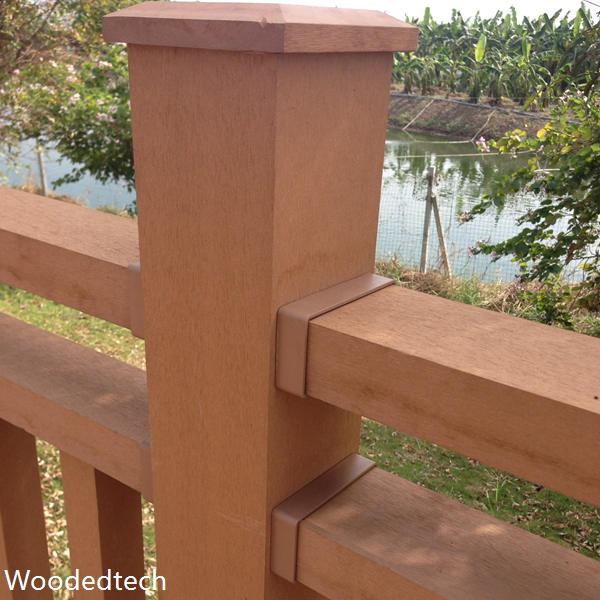
L'implementazione di una combinazione di strategie di progettazione può mitigare questi rischi.Ad esempio, l'utilizzo di design di imballaggi a incastro può aiutare a proteggere i prodotti in posizione, mentre angoli e bordi rinforzati possono assorbire gli impatti in modo più efficace.Le revisioni regolari dei processi e dei materiali di imballaggio sono essenziali per adattarsi al cambiamento della logistica e migliorare l'efficienza complessiva.