Come vengono utilizzati i modelli 3D in polimero di legno dell'arco del giardino nella pianificazione del progetto
Garden Arch Wood Polymer Modelli 3D in pianificazione del progetto
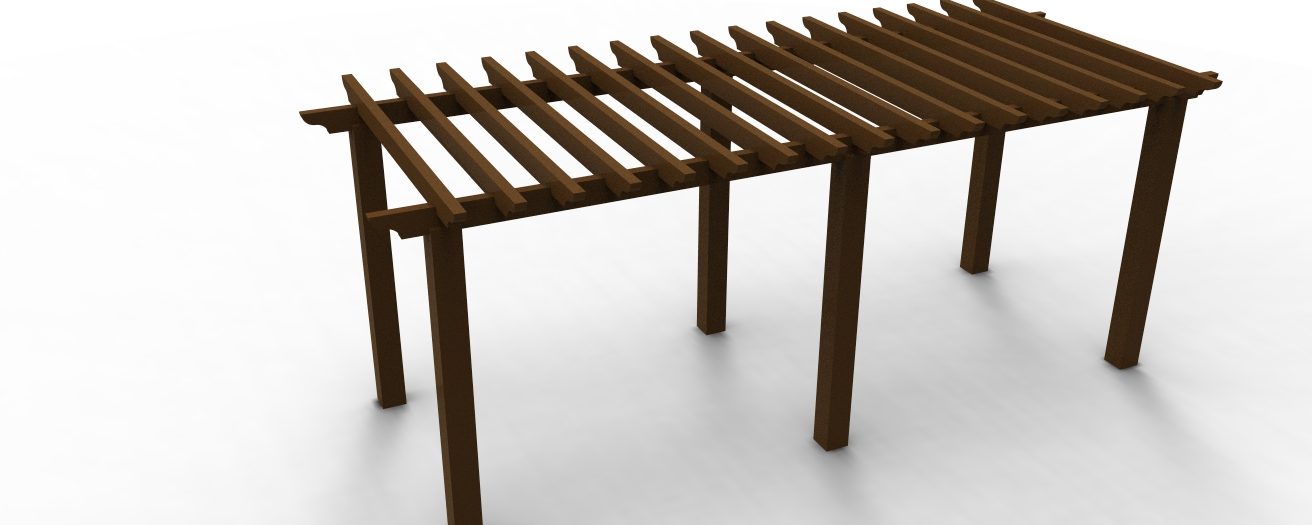
Nel mondo dell'architettura outdoor, l'integrazione dei modelli 3D in polimero di legno ad arco da giardino migliora in modo significativo la pianificazione del progetto.Questi modelli fungeno da ponte tra progettazione concettuale e risultati tangibili, fornendo ad architetti e costruttori paesaggisti una chiara visualizzazione di come i compositi legno-plastica (WPC) si esibiranno in un ambiente reale.Utilizzando software avanzato di modellazione 3D, i professionisti possono simulare varie applicazioni di WPC nella costruzione di archi da giardino, consentendo decisioni informate sull'estetica del design e sull'integrità strutturale.
La versatilità dei modelli 3D in polimero ad arco da giardino consente ai progettisti di sperimentare diverse forme, dimensioni e finiture prima dell'inizio della produzione effettiva.Questa capacità è particolarmente vantaggioso nei progetti personalizzati in cui devono essere soddisfatte specifiche esigenze del cliente.Creando una rappresentazione dettagliata dell'arco proposto, le parti interessate possono identificare le potenziali sfide in anticipo, facilitando l'esecuzione del progetto più fluida.
Il processo di estrusione del WPC
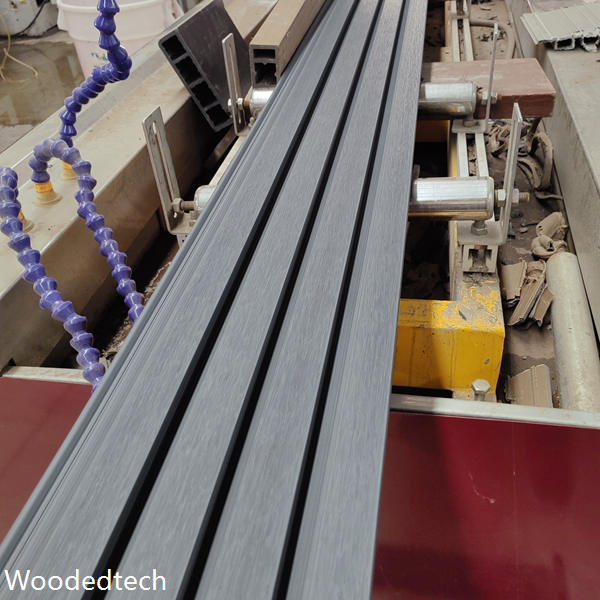
Il viaggio dalla progettazione alla produzione effettiva di arci del giardino comporta un meticoloso processo di estrusione WPC.Inizialmente, le materie prime, principalmente fibre e polimeri di legno, sono mescolate in proporzioni precise.Questa miscela costituisce la base per il composito polimerico di legno, assicurando che il prodotto finale possiede gli attributi desiderati come la durata, la resistenza agli agenti atmosferici e l'appeal estetico.Raggiungere il giusto equilibrio durante questa fase di miscelazione è fondamentale, in quanto influenza direttamente la qualità del prodotto finale.
Dopo la miscelazione, la fase successiva è la pellettizzazione, dove il composito viene lavorato in piccoli pellet.Questi pellet sono essenziali per il successivo processo di estrusione, in quanto consentono la fusione e la modellatura uniforme.Una volta pellettizzato, il controllo della temperatura durante l'estrusione è vitale.L'espulsore deve mantenere livelli di calore coerenti per garantire una fusione ottimale del pellet, prevenendo al contempo la degradazione termica del materiale.La capacità di gestire queste temperature si traduce efficacemente in un processo di estrusione regolare, producendo profili ad arco da giardino di alta qualità.
Design della muffa e calibrazione di raffreddamento
Il design della muffa è un aspetto critico del processo di estrusione del WPC, in particolare per gli archi da giardino personalizzati.Le complessità del design dettano come il composito fuso fluirà e alla fine si solidificherà, influenzando sia l'aspetto che le proprietà strutturali del prodotto finale.Uno stampo ben progettato consente un flusso di materiale efficiente, riducendo il rischio di difetti come vuoti o superfici irregolari.
A seguito dell'estrusione, la calibrazione di raffreddamento svolge un ruolo altrettanto importante.Il composito di nuova forma deve raffreddarsi a un ritmo controllato per evitare deformazioni o crepe.I sistemi di raffreddamento sono spesso integrati nella linea di produzione per garantire che gli archi mantengano la loro forma prevista, ottenendo al contempo proprietà meccaniche ottimali.Le corrette tecniche di raffreddamento non solo migliorano la qualità degli archi da giardino, ma migliorano anche l'efficienza complessiva del processo di produzione.
Trattamento di superficie e controllo di qualità
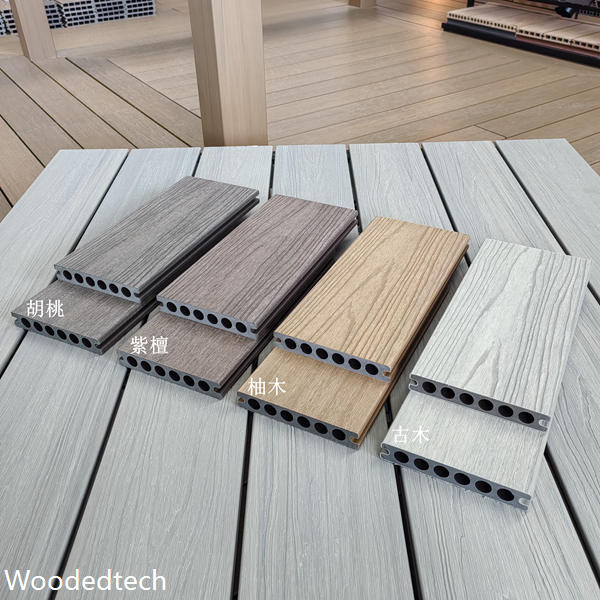
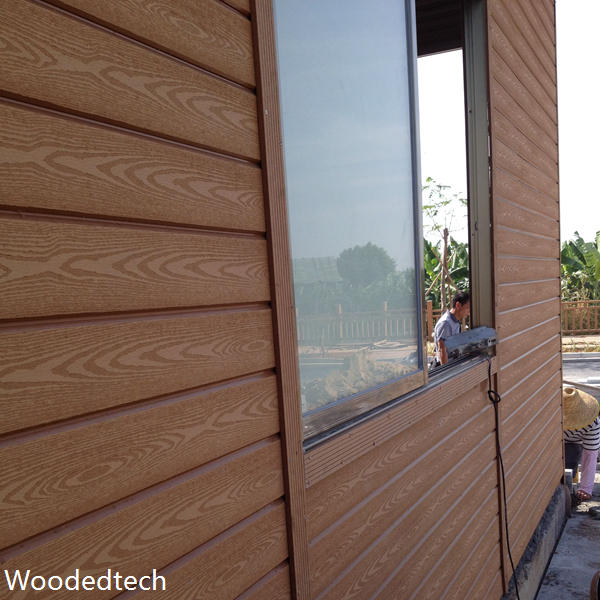
Il trattamento superficiale è un altro passo essenziale nella creazione di strutture polimeriche in legno ad arco da giardino.Processi di trattamento come la levigatura o il rivestimento migliorano le qualità estetiche del WPC, fornendo al contempo un ulteriore strato di protezione contro i fattori ambientali.Garantire che il trattamento superficiale sia applicato in modo uniforme è fondamentale, in quanto ciò influisce direttamente sull'appeal visivo e sulla longevità del prodotto finale.
<i supervisori dell'ispezione di qualità <pAs spesso supervisionano questa fase, vengono condotti controlli approfonditi per identificare eventuali incongruenze o difetti negli archi finiti.Possono sorgere problemi di produzione comuni come imperfezioni superficiali, incongruenze di colore o imprecisioni dimensionali, che richiedono azioni correttive tempestive per mantenere gli standard di qualità previsti dai clienti.Affrontare i problemi di produzione comuni
Nonostante la natura sofisticata del processo di estrusione WPC, le sfide possono sorgere in varie fasi.Un problema comune è l'incoerenza nel flusso di materiale durante l'estrusione, che può portare a variazioni nella densità del prodotto.Le variazioni di temperatura possono anche causare difetti, rendendo essenziale per gli ingegneri monitorare attentamente l'intero processo.Utilizzando le moderne tecnologie di monitoraggio, i team di produzione possono rilevare e rettificare rapidamente questi problemi, garantendo che gli archi del giardino soddisfino rigorosi requisiti di qualità.
Inoltre, l'uso di modelli 3D in polimero di legno ad arco da giardino aiuta a identificare preventivamente le potenziali sfide nella fase di progettazione.Simulando virtualmente il processo di estrusione, gli ingegneri possono analizzare la dinamica del flusso e apportare le necessarie regolazioni alla progettazione dello stampo o alla composizione del materiale prima dell'inizio della produzione effettiva, migliorando significativamente l'efficienza complessiva e l'efficacia del progetto.