WPC Rivestimento Applicazioni A Parete Per Giardini, Alberghi, Piscine E Strutture Pubbliche
Matching Cladding to the Site
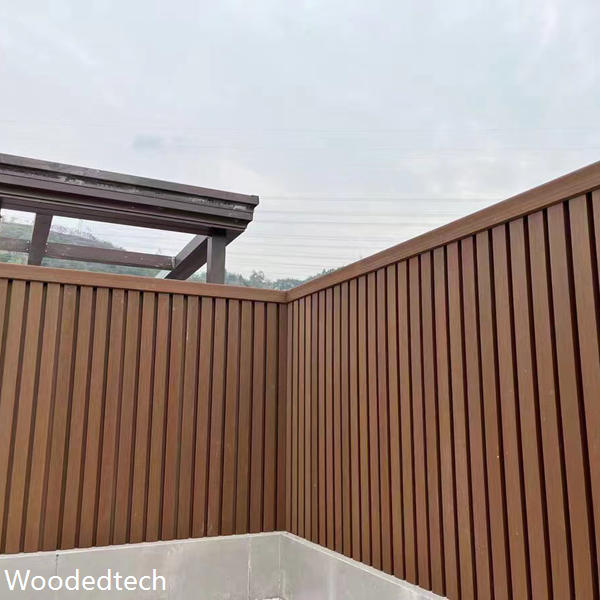
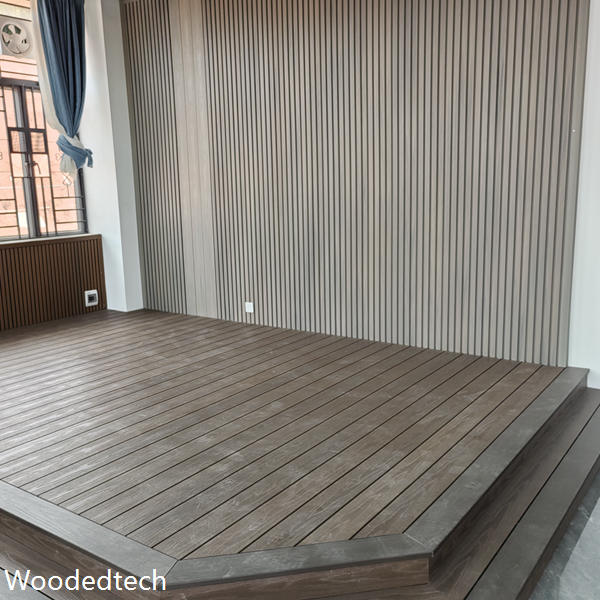
A garden boundary, hotel entrance and public changing room may all use a wpc cladding wall, but they expose the boards to different demands. Garden installations need stable colour and a finish that tolerates irrigation splash and soil carried by shoes. Hotels place greater weight on consistent appearance across large elevations. Poolside walls face frequent cleaning, humidity and chemical splashes, while public facilities need details that can withstand regular contact and straightforward maintenance.
As an international sales manager at a Chinese outdoor WPC manufacturer, I ask buyers for drawings, installation height, climate information and photographs of the supporting wall before recommending a profile. A sheltered feature wall and a fully exposed facade should not automatically receive the same board. Local fire rules, wind loads and building approvals also need checking by the project designer. Product selection is only one part of a compliant wall assembly.
Checking the Factory Behind the Catalogue
A convincing sample does not prove that a factory can repeat the same finish across several containers. Ask whether extrusion, surface treatment and inspection take place on site, then request current production photographs or a live video walk through. Look for labelled raw materials, controlled mixing records, profile gauges and batch identification. A factory visit or independent inspection is especially useful when a hotel project requires replacement boards to match an earlier shipment.
Discuss the formulation without expecting a supplier to disclose proprietary percentages. The manufacturer should still explain its material categories, whether recycled feedstock is controlled, how colour is introduced and which additives support outdoor use. Request test reports for the actual product family and confirm the issuing laboratory, test method and date. Claims about UV resistance, fire performance or environmental credentials should match the specified profile and destination market, not an unrelated brochure sample.
Fixing Specifications Before the Deposit
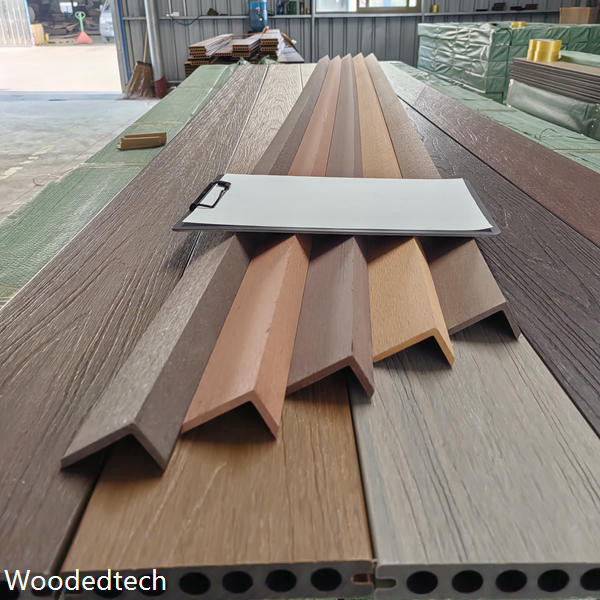
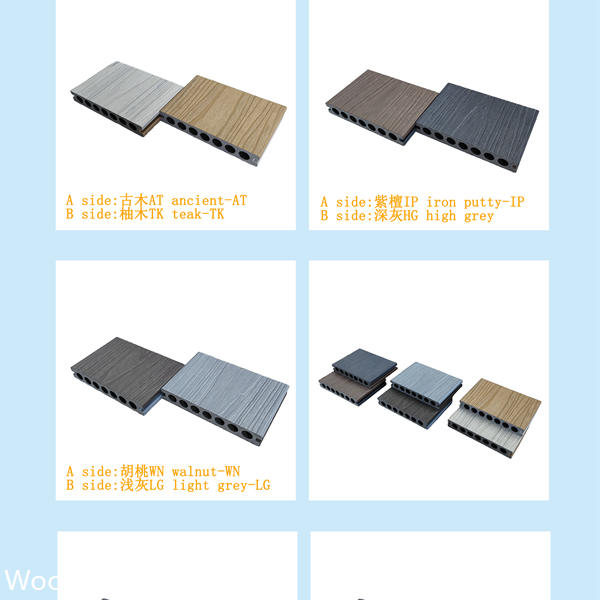
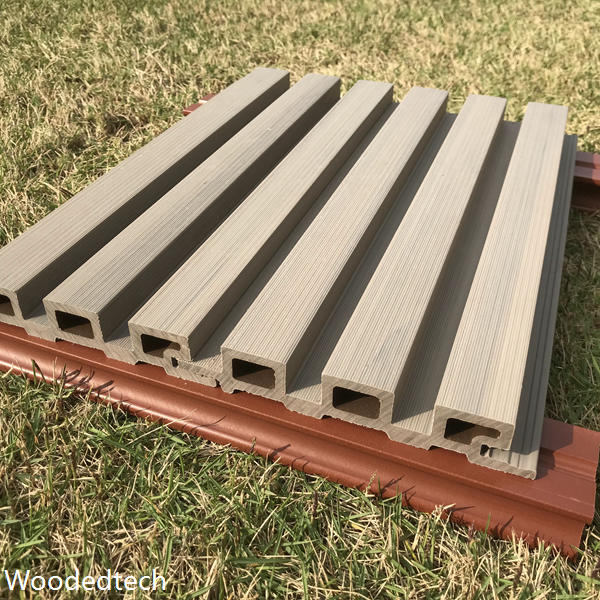
Buyers can prevent many disputes by attaching an approved specification sheet to the purchase order. Record the profile drawing, nominal dimensions and tolerances, weight per metre, surface finish, colour reference, intended installation orientation and accessory list. Confirm whether the boards are hollow or solid and identify any co-extruded cap. A small display sample helps with colour approval, but a full-length board reveals straightness, joint appearance and the effect of the fixing method.
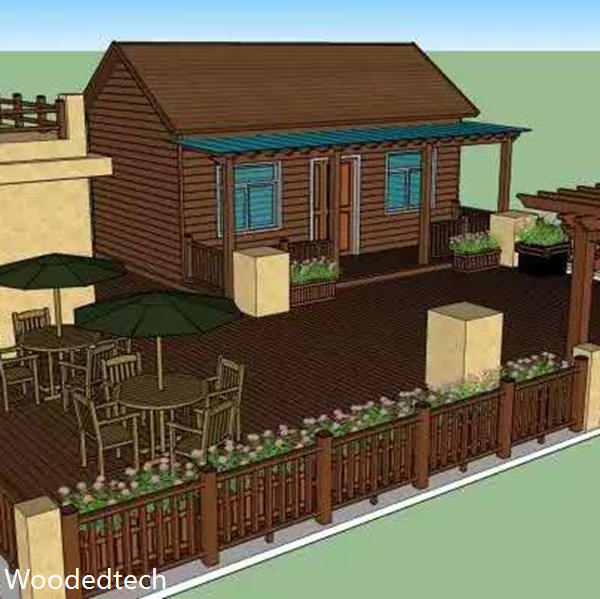
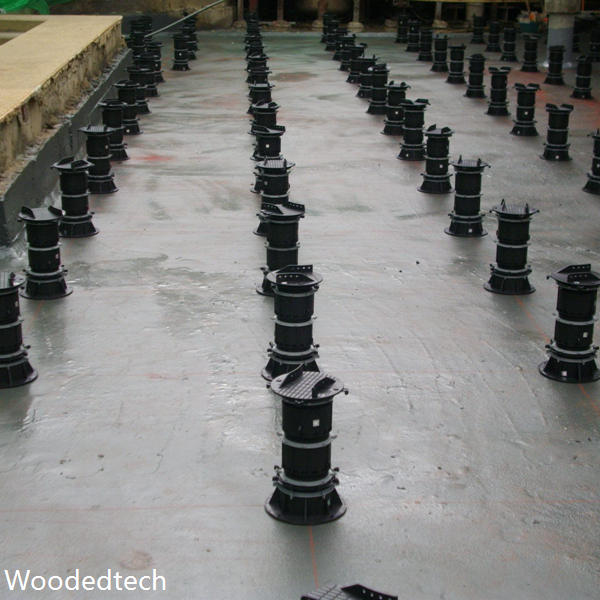
Ask the supplier to provide an installation drawing showing the subframe, fixing centres, ventilation space, drainage route, expansion allowance and edge details. These values must suit the profile and local conditions; a generic spacing copied from another product is not sufficient. For pools, check how cleaning agents will contact the surface and obtain written maintenance guidance. For publicly accessible walls, review exposed edges, impact-prone corners and the possibility of unauthorised climbing with the designer.
Comparing Offers on Delivered Value
The lowest price per board may omit trims, clips, screws, protective packaging or an appropriate finish specification. Compare quotations using the same profile, usable coverage, accessory quantities and agreed delivery terms. Clarify whether the quoted square metre refers to the visible face or installed coverage after gaps and overlaps. This distinction can materially change the budget on a long garden wall or a hotel facade with repeated openings.
Export buyers should also confirm production lead time, minimum order quantity, colour consistency rules and the policy for short shipments or damaged cartons. Ask for a packing drawing that shows board lengths, bundle protection and container loading. Long profiles need support during transport, particularly where forklifts will handle pallets repeatedly. Before final payment, an agreed inspection can check dimensions, surface defects, colour against the approved sample, quantities and packaging marks.
Planning Installation and Future Replacements
Cladding performance depends on the wall behind it. Installers should confirm that the subframe is sound, aligned and suitable for the fixing system, with water able to drain rather than collect behind the boards. Expansion gaps and ventilation requirements should follow the manufacturer’s instructions and the project designer’s details. At pools, keep fixings and supporting components appropriate for the local environment, including exposure to moisture and cleaning chemicals.
For multi-phase projects, retain an approved board from the first delivery and record its batch, colour code and production date. Outdoor weathering can make a new replacement board look different beside an older elevation even when both meet specification. A supplier that documents batches, provides clear installation support and agrees how claims will be assessed gives overseas buyers a more dependable basis for gardens, hotels, pools and public facilities than an attractive sample alone.