Come selezionare i materiali plastici in legno di Pergola per strutture da giardino durevoli
Pergola Timber Plastic Material Selection for Outdoor Performance
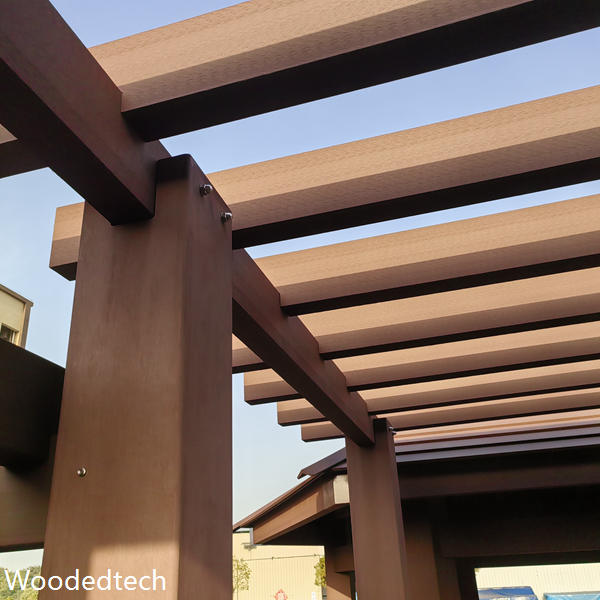
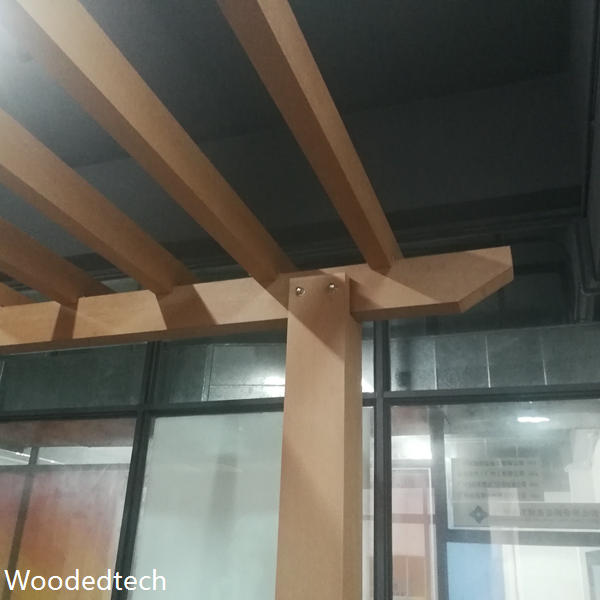
Designing high-performance Pergola timber plastic materials starts with a clear understanding of outdoor exposure, structural requirements, and the expected service life of the finished product. As a WPC formulation development engineer, I focus on creating a balanced composite system rather than simply increasing one ingredient. Pergolas, decking, wall cladding, fencing, and landscape products must resist moisture, ultraviolet radiation, temperature changes, insects, and mechanical stress over many years.
The selection of wood fibre and plastic content directly influences strength, appearance, processing behaviour, and durability. A higher wood fibre percentage can provide a natural texture and lower material cost, but excessive wood content may increase water absorption and reduce dimensional stability. A carefully engineered formula ensures that the wood component contributes visual quality and rigidity while the plastic phase provides protection against environmental damage.
Balancing Wood Fibre and Plastic Ratio in WPC Formulas
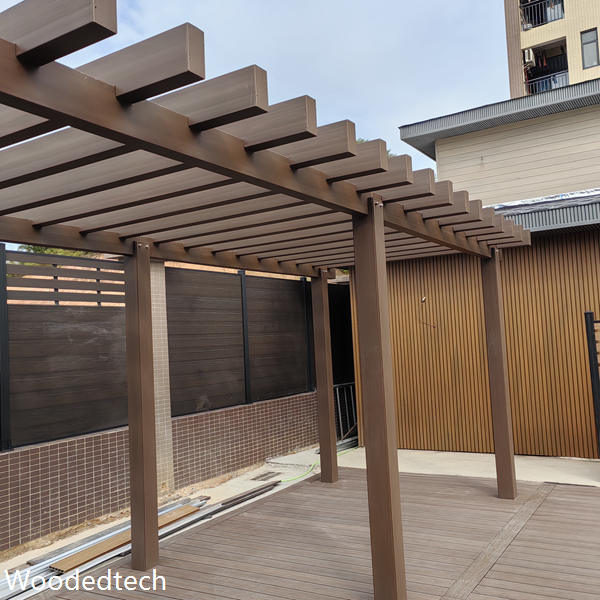
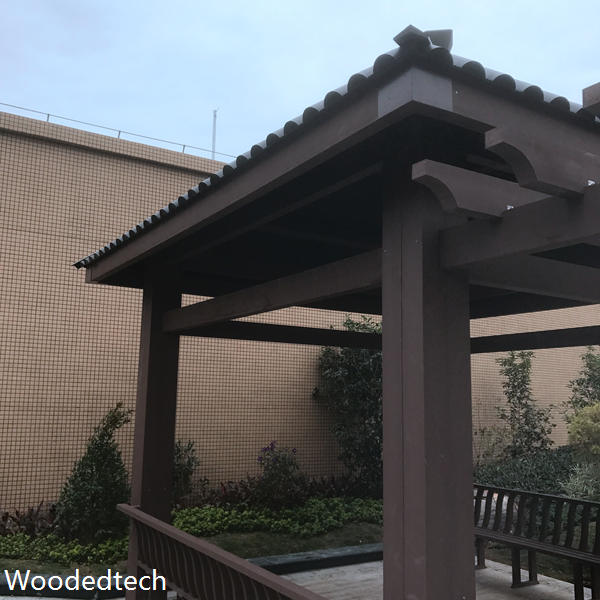
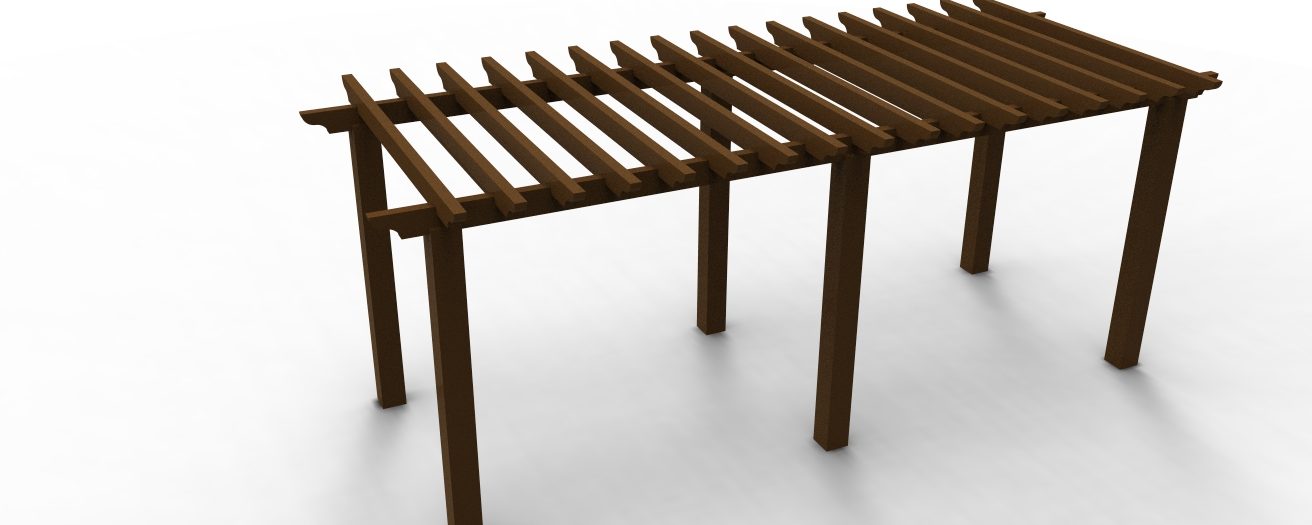
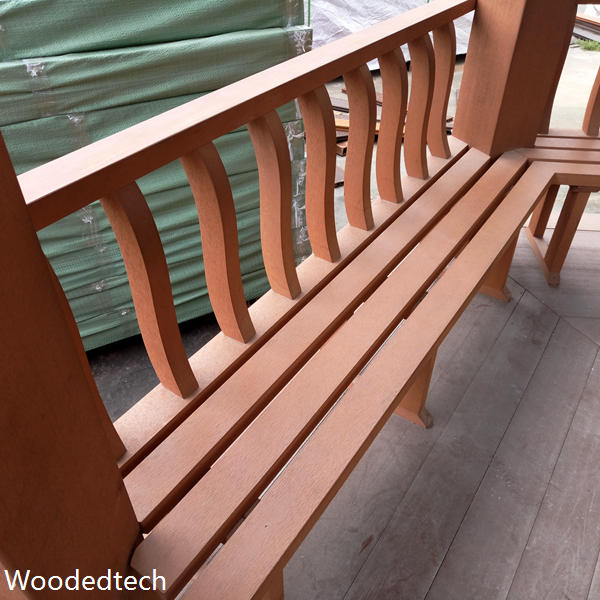
For Pergola timber plastic applications, the typical formulation strategy involves adjusting the ratio between wood fibre and polymer according to the product function. Structural pergola profiles usually require stronger impact resistance and better weather stability, so the polymer content may be increased compared with decorative landscape products. Decking boards and wall cladding often require a different balance because surface appearance and slip resistance become more important.
Wood fibre selection is equally important. Fibre size, moisture level, species type, and surface treatment affect the final composite performance. Fine wood particles can improve surface smoothness, while longer fibres may enhance mechanical strength. During development, the moisture content must be controlled carefully because excess moisture can create internal defects during extrusion. A precise formulation allows manufacturers to achieve consistent quality without unnecessary material costs.
Additives That Improve Outdoor WPC Lifespan
Additives transform a basic wood plastic composite into a specialised outdoor material. UV stabilisers protect colour retention and slow surface degradation caused by sunlight exposure. Coupling agents improve the connection between wood fibres and plastic, increasing strength and reducing the risk of separation. Lubricants support stable extrusion by improving material flow and reducing friction inside the production equipment.
Other additives, including pigments, impact modifiers, antioxidants, and processing aids, must be selected according to climate conditions and customer expectations. For international markets, formulas may need adjustments because a pergola installed in a humid coastal region faces different challenges from one installed in a dry area with intense sunlight. A professional WPC development process considers long-term performance rather than only initial appearance.
Cost Control Without Reducing Product Reliability
WPC manufacturers need to achieve competitive pricing while maintaining reliable performance. Cost control begins with optimising the formulation instead of simply reducing expensive ingredients. For example, replacing a portion of polymer with properly treated wood fibre can reduce raw material costs, but the percentage must remain within a safe range to prevent moisture problems and premature ageing.
Production efficiency also affects the final cost of Pergola timber plastic products. Stable extrusion conditions, accurate temperature control, and suitable screw designs reduce waste and improve output consistency. Working closely with extrusion technology engineers and quality teams helps manufacturers identify the best formula for large-scale production. This approach supports affordable products while protecting brand reputation in demanding export markets.
Formula Design for Different Outdoor Applications
Each WPC application requires specific performance targets. Pergola profiles need dimensional stability because movement caused by heat and moisture can affect assembly accuracy. Fencing systems require impact resistance and colour durability, while wall cladding needs excellent surface quality and resistance to weather exposure. Decking products must combine strength, safety, and attractive appearance for regular outdoor use.
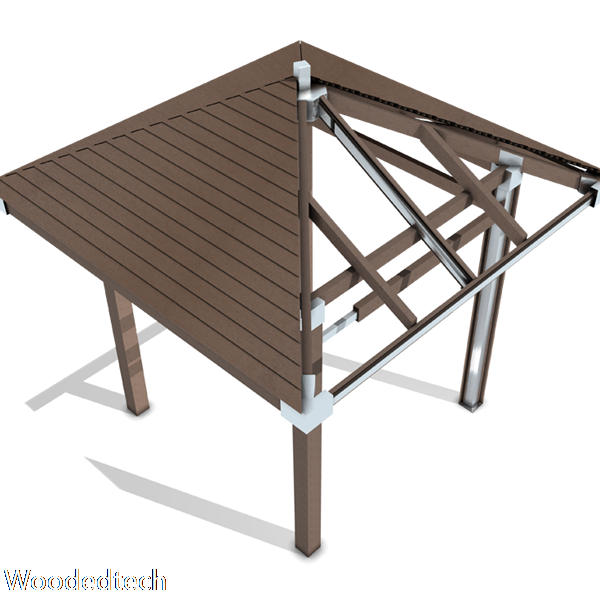
A formulation development engineer evaluates laboratory data, extrusion trials, and field performance before confirming a production recipe. Testing methods may include water absorption analysis, bending strength tests, accelerated weathering tests, and thermal expansion measurements. These results guide adjustments to fibre content, polymer selection, and additive levels, ensuring that the final product meets both technical standards and customer expectations.
Creating Long-Term Value Through Advanced WPC Development
High-quality outdoor composite materials are created through continuous improvement in formulation technology, production control, and application knowledge. For suppliers serving architects, landscape engineers, OEM customers, and international distributors, material reliability is a key factor in building trust. A well-designed WPC formula helps outdoor structures maintain their appearance and performance throughout years of exposure.
The future of Pergola timber plastic development depends on combining sustainable raw materials with advanced engineering methods. By managing the relationship between wood fibre, polymer content, additives, manufacturing processes, and lifecycle requirements, WPC producers can deliver outdoor solutions that meet modern construction demands while supporting sustainable building practices.