Comment trouver des fournisseurs de treillis en bois composite près de chez moi pour des solutions de qualité
Conception structurelle de WPC Trellises
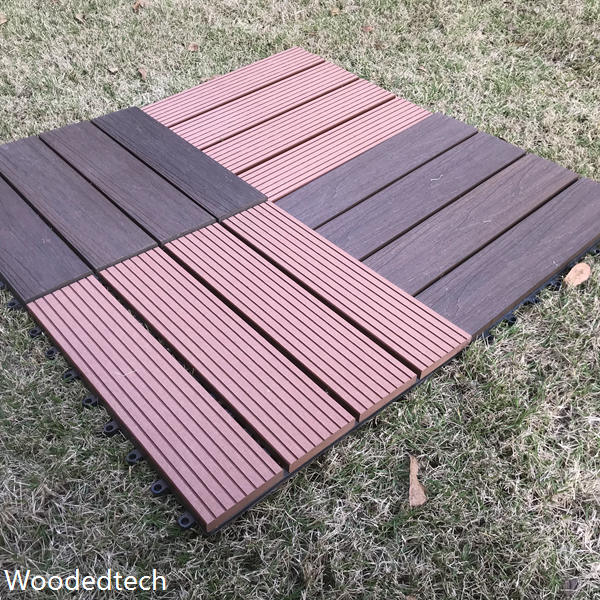
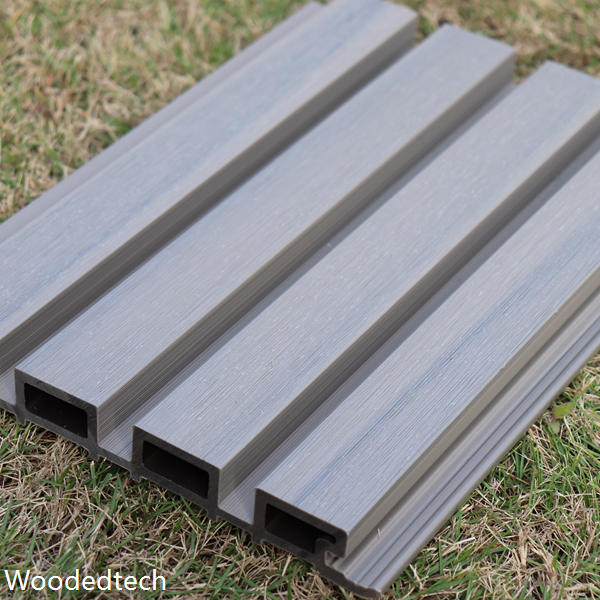
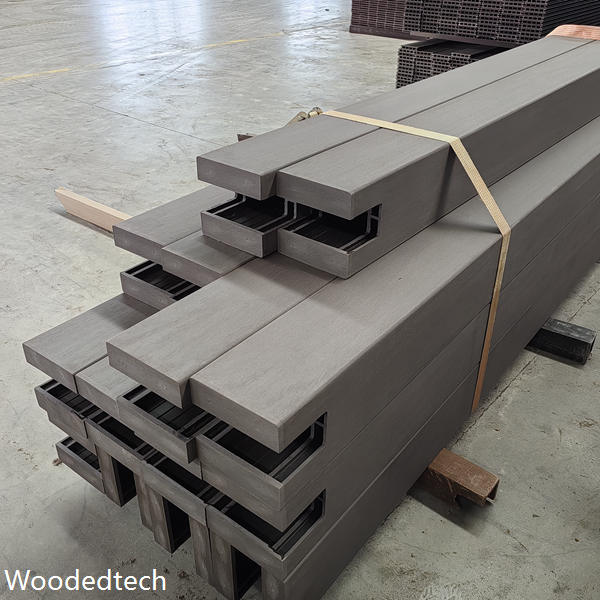
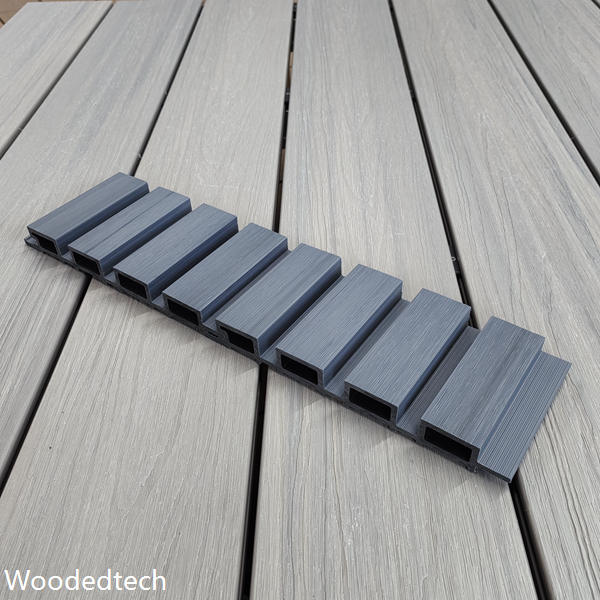
La conception des treillis en bois composite repose sur l'intégrité structurelle fournie par diverses conceptions de profilés.Les techniques de moulage par extrusion permettent une multitude de formes, affectant non seulement l'attrait esthétique, mais aussi la résistance et le poids du matériau.Les structures creuses ont tendance à être plus légères, ce qui les rend plus faciles à installer, tandis que les structures solides offrent une durabilité accrue, ce qui est particulièrement avantageux pour les applications porteuses.Le choix entre ces options se résume souvent aux exigences spécifiques du projet et à la disponibilité de fournisseurs de treillis en bois composite près de chez moi.
Les conceptions de côtes jouent également un rôle central dans le renforcement du treillis.En incorporant des côtes, les fabricants peuvent améliorer la rigidité sans ajouter significativement au poids.Cet équilibre est crucial, en particulier dans les installations extérieures où des facteurs environnementaux tels que le vent peuvent exercer une contrainte supplémentaire sur la structure.Un motif de côtes intelligentement conçu peut répartir efficacement les charges, améliorant ainsi la performance globale du treillis tout en maintenant la facilité de manipulation pendant l'installation.
Les motifs de surface et leur impact
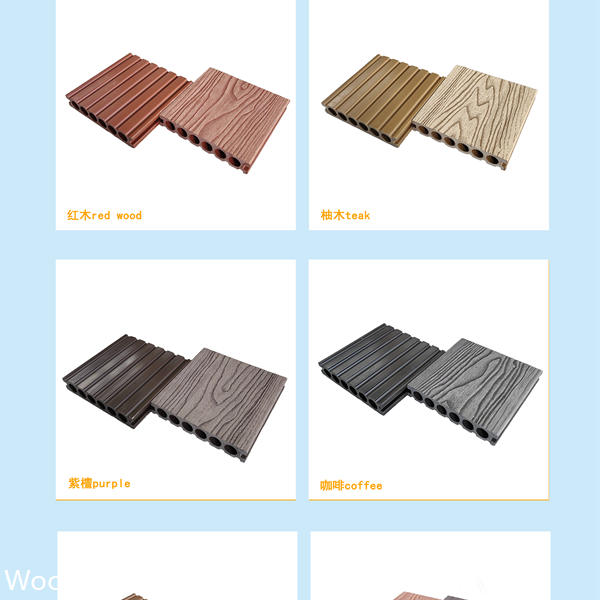
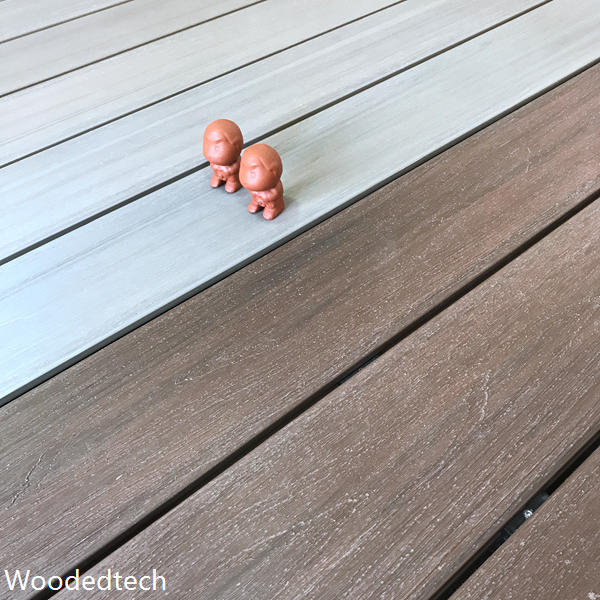
La finition de surface des treillis en bois composite est plus qu’un simple choix esthétique; elle affecte fondamentalement l’adhérence du matériau, la résistance aux conditions météorologiques et la longévité.Les surfaces lisses peuvent faciliter le nettoyage et l'entretien, mais peuvent être sujettes à un glissement, en particulier dans des conditions humides.Inversement, les surfaces texturées peuvent améliorer l'adhérence et offrir une expérience plus tactile, ce qui est bénéfique pour l'escalade des plantes.La sélection des motifs de surface devrait correspondre à la fois aux exigences fonctionnelles et à l'impact visuel souhaité du treillis.
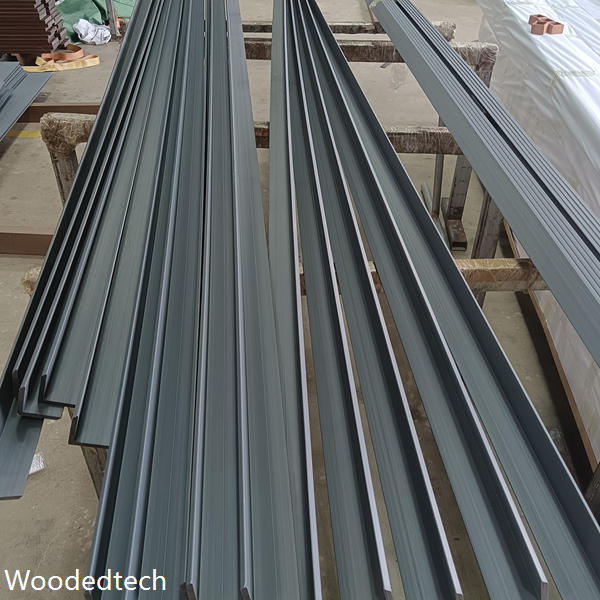
Les fabricants peuvent expérimenter diverses finitions de surface, de la matière à la brillante, pour s'assurer que le produit final répond aux exigences esthétiques de leur clientèle.Ceci est particulièrement important pour les architectes paysagistes et les designers qui recherchent souvent des solutions innovantes qui se distinguent dans les environnements extérieurs.S'engager avec les fournisseurs locaux de treillis de bois composite près de chez moi peut fournir un accès à une variété de traitements de surface adaptés à des projets spécifiques.
Rentabilité dans la conception de Tellils WPC
Le coût est un autre facteur essentiel dans la conception des treillis de bois composites.Le choix de la conception du profil, qu'elle soit creuse ou solide, influence directement le coût des matériaux et, par conséquent, le budget global du projet.Les profilés creux utilisent généralement moins de matériel et peuvent être produits à moindre coût, ce qui en fait une option attrayante pour les projets à grande échelle.Cependant, cette mesure d'économies doit être compensée par rapport au besoin potentiel de remplacements ou de réparations plus fréquents en raison de la durabilité réduite des structures creuses.
Le processus de conception doit également tenir compte des coûts d'installation associés à différents types de treillis.Les structures creuses légères peuvent entraîner d’importantes économies de main-d’œuvre, car elles sont souvent plus faciles à transporter et à manipuler sur place.En revanche, les structures solides, bien que potentiellement plus chères à l'avance, peuvent offrir une meilleure valeur à long terme grâce à leur résilience et à leurs exigences de maintenance plus faibles.S'engager avec des fournisseurs compétents peut garantir que la conception sélectionnée s'aligne à la fois sur les contraintes budgétaires et les besoins de performance.
Considérations de performance de l'installation
La facilité d'installation est primordiale dans la sélection d'un design en bois composite.Les ingénieurs et les entrepreneurs doivent réfléchir à la façon dont le profil choisi s’intégrera dans les paysages et les structures existants.Des caractéristiques telles que des trous pré-percés ou des systèmes de fixation spécifiques peuvent grandement accélérer l'installation.En outre, comprendre comment les différentes conceptions structurelles affectent l'alignement et la stabilité pendant l'installation peut prévenir les retards et les complications coûteux.
La collaboration avec les fournisseurs locaux de treillis de bois composite près de chez moi peut faciliter l'accès aux options préfabriquées qui simplifient l'installation.Ces fournisseurs proposent souvent des produits qui s’intègrent bien à diverses techniques de fixation et méthodes d’installation, réduisant ainsi le temps et les compétences requis pour le travail sur site.
<pTrouver les bons fournisseurs de treillis en bois composite près de chez moi est essentiel pour l'approvisionnement de solutions de qualité qui répondent à des critères de conception et de performance spécifiques.S’engager avec des fournisseurs réputés qui comprennent les nuances de la conception WPC peut fournir des informations précieuses sur les meilleurs matériaux et méthodes pour un projet donné.Leur expertise peut guider les clients à travers les décisions complexes impliquées dans la sélection des bons profils, finitions de surface et renforts structurels nécessaires pour obtenir une solution de treillis efficace, esthétique et durable.