Cómo crear planes de pabellón de material compuesto de plástico de madera para la construcción al aire libre
Resumen del mercado de los compuestos plásticos de madera
El mercado de compuestos de plástico de madera ha sido testigo de una transformación significativa en los últimos años.Con la creciente conciencia de la sostenibilidad ambiental, los fabricantes y los consumidores se inclinan por igual hacia los materiales que ofrecen durabilidad y respeto al medio ambiente.Los planes de pabellón compuesto de plástico de madera ejemplifican esta tendencia, ya que estas estructuras no solo proporcionan un atractivo estético, sino que también se alinean con las prácticas sostenibles modernas.A medida que aumenta la demanda de espacios de vida al aire libre, especialmente en las zonas urbanas, la implementación de WPC en los diseños se está convirtiendo en una opción preferida.Los consumidores de hoy en día están buscando materiales que requieran menos mantenimiento y ofrezcan resistencia contra las condiciones climáticas, lo que hace que WPC sea una alternativa atractiva a la madera tradicional.
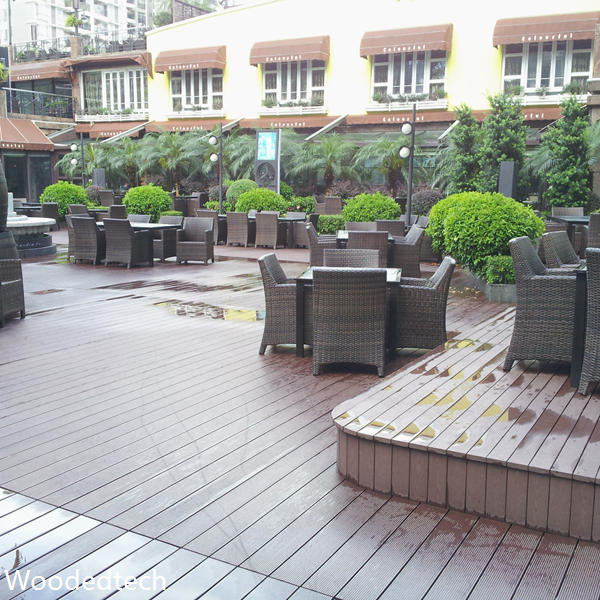
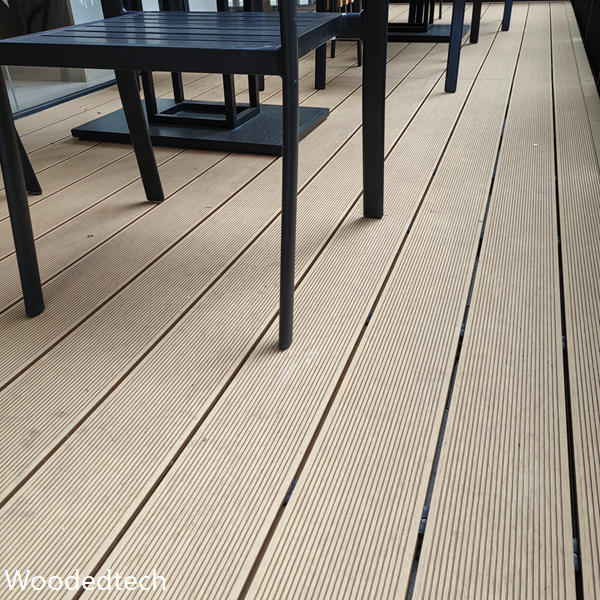
A nivel mundial, regiones como América del Norte y Europa lideran la carga en la adopción de compuestos plásticos de madera, particularmente en el segmento de construcción al aire libre.El aumento de la cubierta compuesta, el revestimiento de paredes WPC y la esgrima en estos mercados ha establecido un punto de referencia para la innovación.Como resultado, el potencial de crecimiento en el sector es alentador.Asia-Pacífico se está poniendo al día, impulsada por la rápida urbanización y una clase media en expansión, creando nuevas oportunidades para las empresas dispuestas a adaptarse a las preferencias locales.
Planes de pabellón compuesto de plástico de madera: consideraciones de diseño
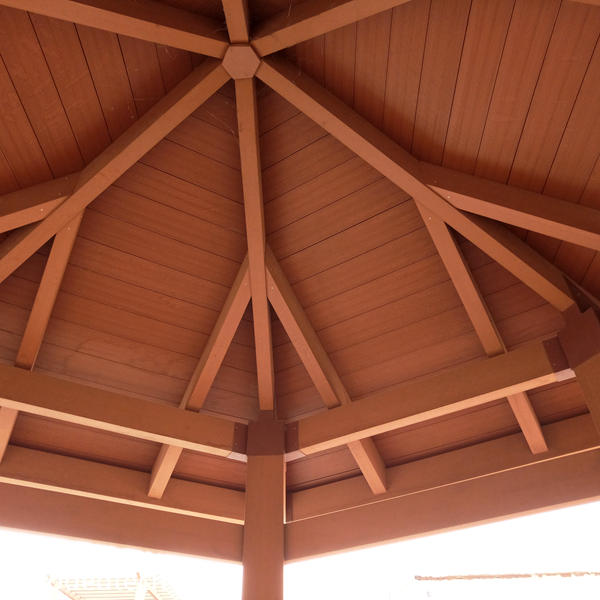
La creación de planes eficaces de pabellones de material compuesto de plástico de madera requiere una comprensión profunda tanto de la estética del diseño como de los requisitos funcionales.El diseño arquitectónico debe tener en cuenta varios factores, como la ubicación, el uso previsto y las condiciones ambientales.Por ejemplo, los pabellones situados en áreas con fuertes lluvias deben integrar soluciones de drenaje en su diseño, mientras que aquellos en climas soleados pueden beneficiarse de las características de sombreado.La ventaja de WPC radica en su versatilidad; se puede moldear en varias formas y estilos, proporcionando a los arquitectos y diseñadores la libertad de innovar.
La incorporación de características como asientos integrados, iluminación y almacenamiento en diseños de pabellón puede mejorar la funcionalidad.Además, seleccionar el color y el acabado correctos puede elevar el atractivo visual, haciendo que los espacios al aire libre sean más atractivos.Los diseñadores también deben considerar la longevidad de los materiales; la resistencia de WPC a la pudrición y los insectos lo convierte en una excelente opción para estructuras al aire libre duraderas, lo que justifica aún más su creciente popularidad.
Tendencias e innovaciones de fabricación
Los procesos de fabricación de compuestos plásticos de madera están evolucionando continuamente.Los avances en la tecnología de extrusión han llevado a la producción de productos WPC más refinados y duraderos.Los fabricantes ahora son capaces de producir materiales que se asemejan mucho a la madera natural en apariencia, al tiempo que proporcionan características de rendimiento mejoradas.Este proceso permite la personalización, permitiendo a las empresas satisfacer las demandas específicas del mercado de planes de pabellón de material compuesto de madera.
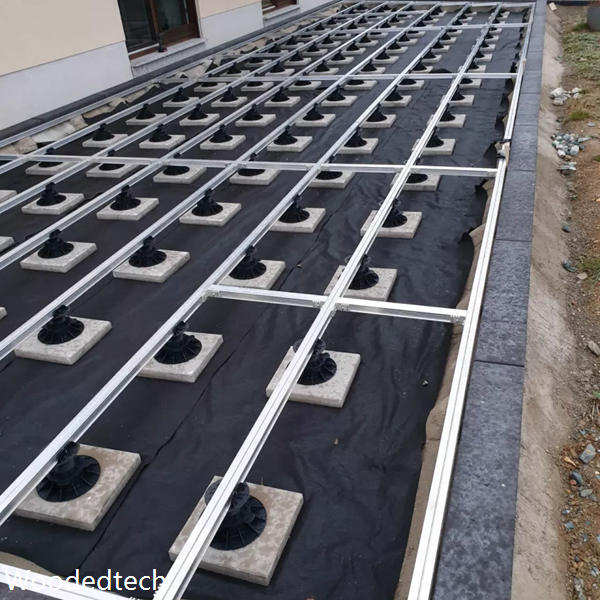
Oportunidades de mercado futuro en WPC
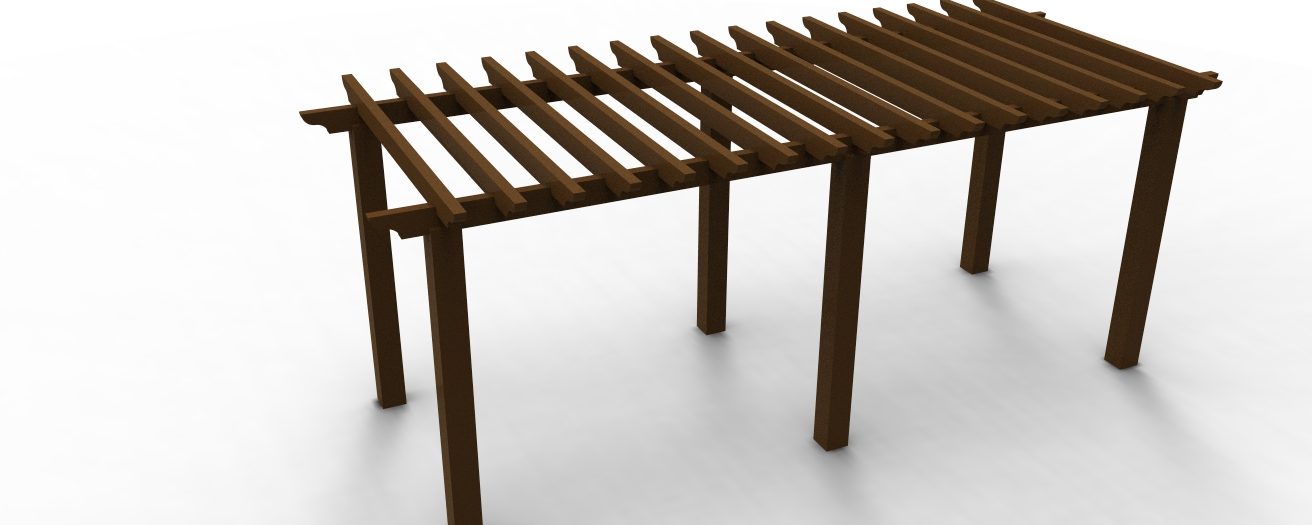
<pEl futuro es brillante para los compuestos plásticos de madera, especialmente en el contexto de la construcción al aire libre.A medida que las áreas urbanas crecen y las tendencias de la vida al aire libre continúan aumentando, la necesidad de materiales versátiles y de bajo mantenimiento probablemente aumentará.WPC ya ha establecido un fuerte punto de apoyo en los sectores de cubierta y revestimiento, y se espera que su aplicación en pabellones, pérgolas y productos de paisaje se expanda significativamente.Los gerentes de ventas internacionales y los analistas de mercado deben reconocer las oportunidades que presentan los mercados emergentes, particularmente en Asia-Pacífico y América Latina.Estas regiones son cada vez más recepcivas a los materiales de construcción modernos, proporcionando un terreno fértil para el crecimiento.Además, a medida que los arquitectos y diseñadores abogan cada vez más por prácticas de construcción sostenibles, la demanda de productos compuestos de plástico de madera crecerá, presentando a las empresas la oportunidad de innovar y ampliar sus ofertas.
Preferencias de los clientes y estrategias de mercado
Comprender las preferencias de los clientes es esencial para desarrollar estrategias de comercialización exitosas en el sector compuesto de plástico de madera.Los consumidores de hoy están más informados y tienden a favorecer los productos que reflejan sus valores, especialmente en torno a la sostenibilidad.Las empresas deben articular claramente los beneficios de WPC, destacando su larga vida útil, bajo mantenimiento y menor impacto ambiental en comparación con la madera tradicional.