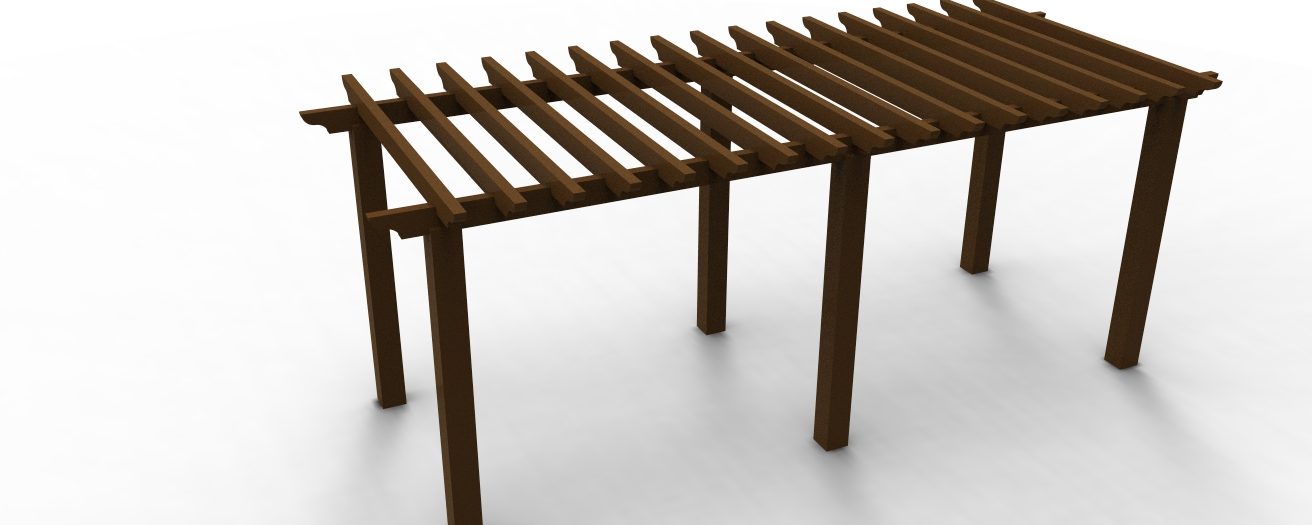
¿Cómo afecta la expansión de WPC de madera de arco de jardín a largo plazo
El proceso de extrusión WPC al aire libre
El proceso de extrusión de materiales compuestos de madera y plástico (WPC) para aplicaciones como la madera de arco de jardín implica varios pasos precisos, cada uno de los cuales contribuye al rendimiento y la longevidad del producto final.Comienza con la mezcla de material, donde se combinan la harina de madera, típicamente procedente de madera reciclada, y resinas termoplásticas.La formulación también puede incluir aditivos como estabilizadores UV y colorantes para mejorar tanto el aspecto como la durabilidad.Lograr la mezcla correcta es crucial, ya que garantiza que el compuesto mantenga las propiedades físicas deseadas y, al mismo tiempo, atiende a los requisitos estéticos.
Una vez que los materiales se mezclan a la especificación correcta, la siguiente etapa es la granulación.La mezcla se alimenta a una extrusora, donde se funde y se fuerza a través de un troquel para formar gránulos.Estos gránulos se enfrían, lo que los solidifica en una forma que puede ser fácilmente transportado a la línea de extrusión.La línea de extrusión es donde ocurre la verdadera magia, transformando estos pellets en productos terminados.Es esencial que la temperatura durante este proceso se controle cuidadosamente; el calor excesivo puede degradar los materiales, mientras que el calor insuficiente puede resultar en un flujo deficiente y productos inconsistentes.
Control de temperatura en extrusión WPC
La gestión de la temperatura durante todo el proceso de extrusión influye directamente en las propiedades físicas del producto final.Los ajustes óptimos de temperatura varían dependiendo de la formulación específica que se esté utilizando.En el caso de la madera de arco de jardín WPC, mantener una temperatura constante asegura que las resinas se derritan adecuadamente y se unen con las fibras de madera, promoviendo una fuerte adhesión.Las fluctuaciones en la temperatura pueden conducir a problemas como la deformación o la fragilidad, que en última instancia afectan el rendimiento y la longevidad del arco del jardín.
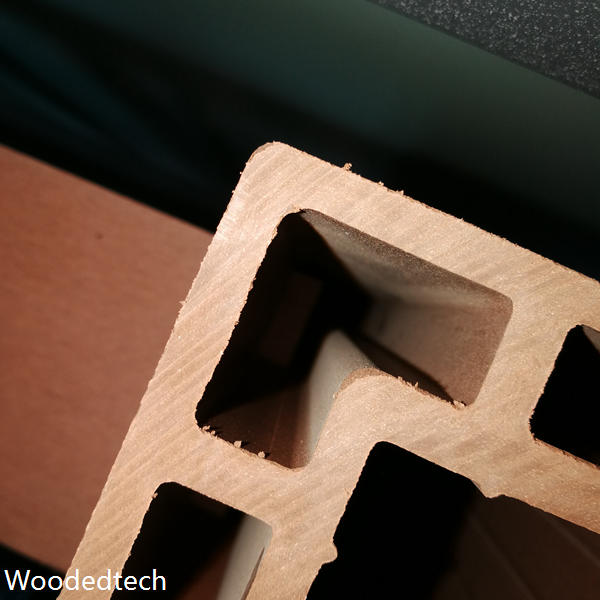
Durante la fase de extrusión, no es solo la temperatura del cilindro de extrusión la que requiere atención; la temperatura de la boquilla también debe monitorizarse meticulosamente.Una boquilla bien diseñada facilitará el flujo uniforme, lo cual es vital para lograr propiedades de sección transversal consistentes en el perfil extruido.Cualquier imperfección puede conducir a debilidades que pueden ser evidentes después de la instalación, especialmente en aplicaciones al aire libre donde la exposición a diferentes condiciones ambientales es común.
Diseño de moldes y calibración de enfriamiento
El diseño del molde juega un papel importante en la configuración del producto final.Para la madera del arco de jardín WPC, el molde debe estar diseñado para permitir un enfriamiento adecuado y soportar las demandas estructurales impuestas sobre el arco una vez instalado.El diseño debe acomodar la expansión y contracción natural que se produce con los cambios de temperatura.La calibración de enfriamiento es igualmente importante; el enfriamiento insuficiente puede conducir a inexactitudes dimensionales, mientras que el sobreenfriamiento puede crear puntos de tensión dentro del material.Un enfoque equilibrado asegura que el producto conserve su forma prevista y su integridad estructural a lo largo del tiempo.
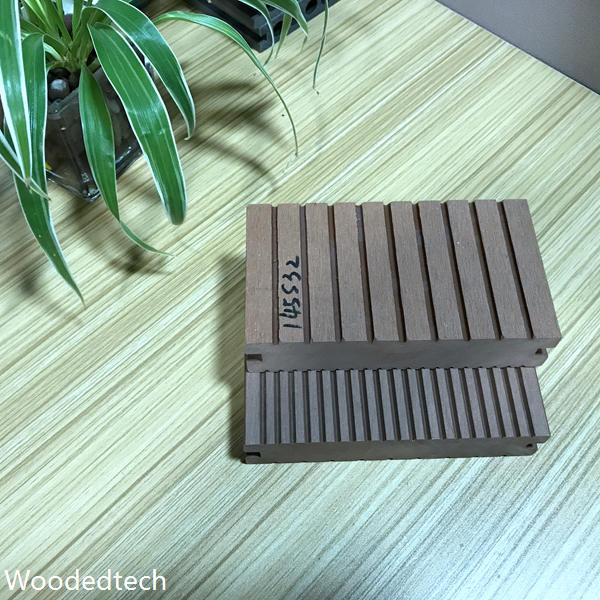
Además, el tratamiento superficial del WPC extruido afecta tanto a su atractivo estético como a sus propiedades funcionales.Los tratamientos superficiales pueden incluir texturizar o aplicar un recubrimiento protector, proporcionando resistencia adicional a los elementos.Esto es particularmente importante para aplicaciones al aire libre como arcos de jardín, que estarán sujetos a la erosión, la exposición a los rayos UV y la infiltración de humedad.El tratamiento adecuado puede mejorar significativamente la vida útil y la apariencia de las instalaciones de WPC de madera de arco de jardín.
Desafíos en la producción de WPC
<pA pesar de los avances en la tecnología de extrusión WPC, hay problemas comunes de producción que pueden surgir.Un problema frecuente es la textura o color desigual del producto extruido, a menudo causado por una mezcla inconsistente o fluctuaciones de temperatura durante el procesamiento.Otro desafío consiste en mantener el contenido de humedad correcto en la harina de madera, ya que la humedad excesiva puede conducir a problemas tales como burbujeo o deslaminación durante el proceso de extrusión.Estos problemas no solo afectan a la calidad estética, sino que también pueden comprometer la solidez estructural del producto final.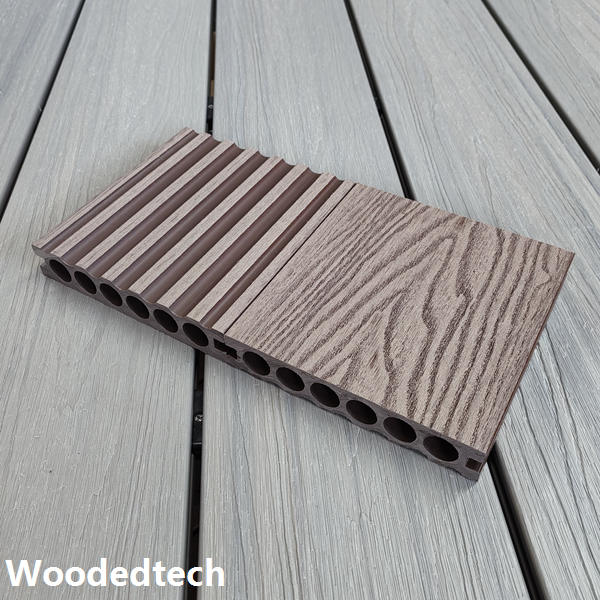
Además de estas preocupaciones, los fabricantes deben estar atentos al mantenimiento y la calibración del equipo para evitar fallas mecánicas que pueden interrumpir la producción.Asegurar que todos los componentes de la línea de extrusión funcionen de manera óptima es crucial para minimizar el tiempo de inactividad y mantener la calidad del producto.Las complejidades del proceso de extrusión de WPC requieren un equipo experto capaz de identificar y abordar estos problemas con prontitud, lo que en última instancia contribuye a la durabilidad y el rendimiento de los productos de WPC de madera de arco de jardín.
Consideraciones de rendimiento a largo plazo
El rendimiento a largo plazo de la madera de arco de jardín WPC está influenciado por cada etapa del proceso de extrusión.Desde la selección inicial del material y la mezcla hasta el acabado final de la superficie, cada detalle importa en la producción de un producto que resiste la prueba del tiempo.Los arcos de jardín bien extruidos no solo mejoran el atractivo visual de los espacios al aire libre, sino que también ofrecen beneficios prácticos en términos de durabilidad y mantenimiento.Con una comprensión del proceso de extrusión completo, los ingenieros y fabricantes pueden asegurarse de que sus productos de madera de madera de arco de jardín WPC cumplan con los requisitos estéticos y funcionales en los próximos años.