Cómo construir un túnel verde de madera de polímero en su jardín con éxito
Construcción de un túnel verde de madera de polímero en su jardín: una visión general
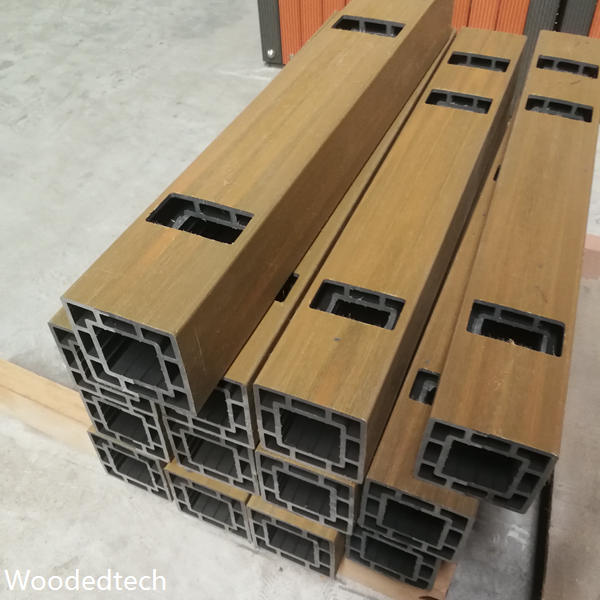
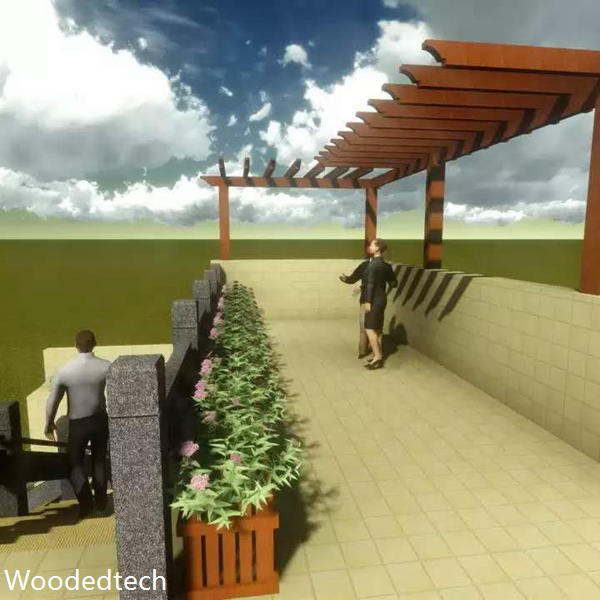
La creación de un túnel verde de madera de polímero en su jardín es una forma innovadora de mejorar la estética al aire libre al tiempo que promueve la sostenibilidad.Esta estructura no solo agrega atractivo visual, sino que también sirve como una característica funcional del jardín que puede soportar varias plantas trepar, creando así un ecosistema vibrante.Como analista internacional de investigación de mercado especializada en materiales de construcción al aire libre, es esencial examinar la tendencia creciente de los compuestos de polímero de madera (WPC) y sus aplicaciones en estructuras de jardín como túneles, pergolas y cercas.
El ascenso de los compuestos de polímero de madera en el paisajismo
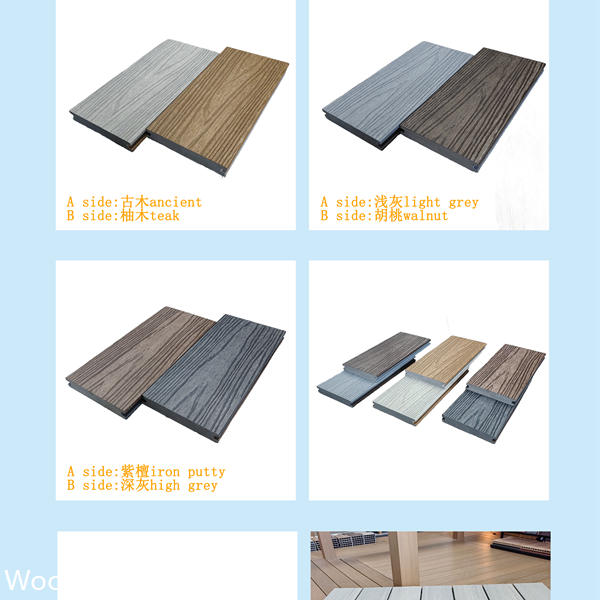
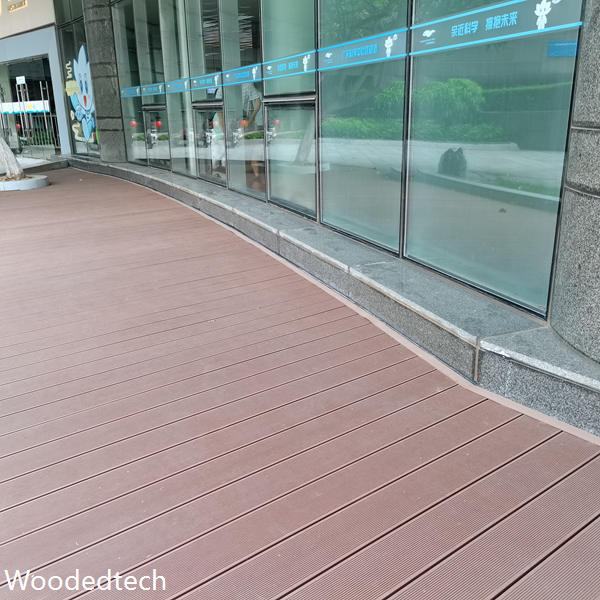
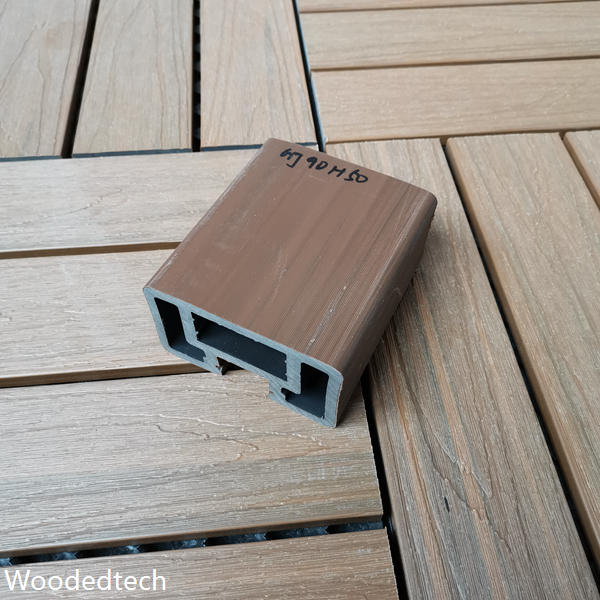
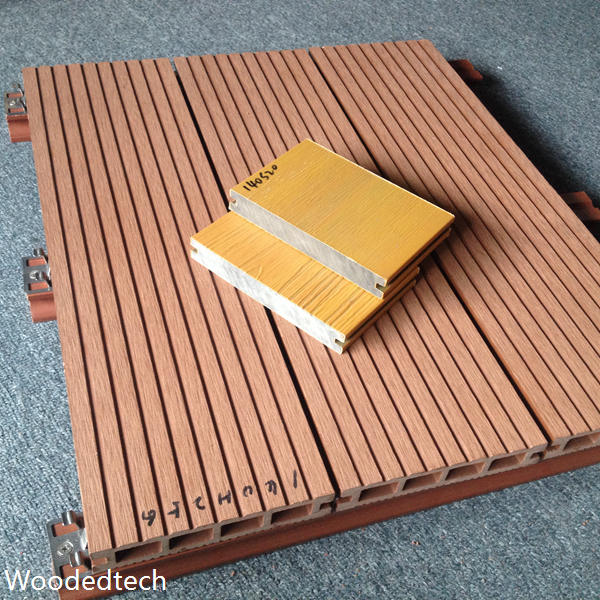
Los compuestos de polímero de madera han ganado una inmensa popularidad en todo el mundo debido a su durabilidad y bajos requisitos de mantenimiento.A diferencia de la madera tradicional, WPC es resistente a la pudrice, los insectos y los daños climáticos, por lo que es una opción ideal para aplicaciones al aire libre.El cambio hacia materiales de construcción sostenibles es evidente, ya que los consumidores buscan cada vez más productos que no solo satisfan las necesidades funcionales, sino que también contribuyen a prácticas respetuosas con el medio ambiente.La capacidad de WPC para imitar el aspecto de la madera real al tiempo que incorpora materiales reciclados se suma a su atractivo en el sector del paisajismo.
Consideraciones clave para diseñar su túnel verde
Al embarcarse en el viaje de construcción de un túnel verde de madera de polímero en su jardín, varios factores deben influir en su diseño.Primero, considere las dimensiones y la escala del túnel.Una estructura bien planificada debe mezclarse armoniosamente con el diseño existente de su jardín.La elección de las plantas es igualmente importante; las especies trepadoras como las rosas, la suerie o los guisantes dulces pueden mejorar el impacto visual del túnel al tiempo que proporcionan sombra y privacidad.Además, garantizar un espaciado adecuado y estructuras de soporte permitirá un crecimiento saludable y la longevidad de su túnel verde.
Oportunidades de mercado futuro para los productos de WPC
A medida que las tendencias mundiales favorecen cada vez más los materiales de construcción sostenibles, el mercado de productos WPC se expande significativamente.Con un énfasis creciente en la construcción ecológica, las oportunidades abundan en varios segmentos, incluyendo el paisajismo residencial, la jardinería urbana y los espacios comerciales al aire libre.Es probable que aumente la demanda de estructuras versátiles como túneles verdes, gálomas y soluciones de esgrima hechas de WPC.Además, a medida que avanza la tecnología, se espera que los fabricantes innoven más, produciendo productos más agradables estéticamente y funcionalmente superiores adaptados a las necesidades del consumidor.
Técnicas de instalación para una mayor durabilidad
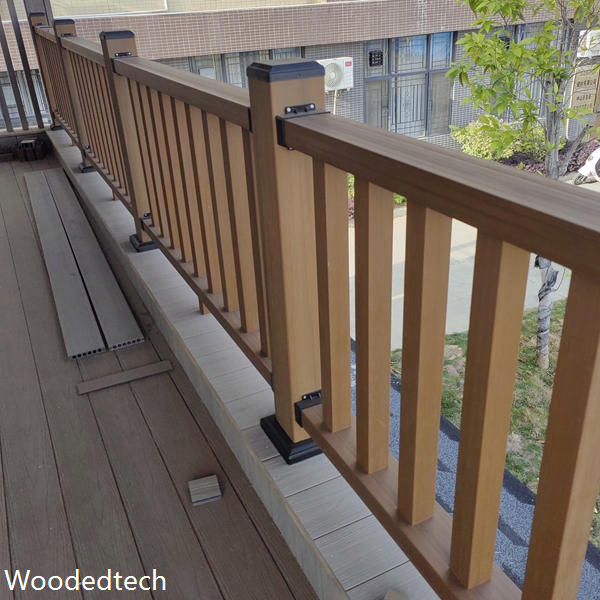
La construcción de un túnel verde de madera de polímero requiere una atención cuidadosa a las técnicas de instalación para mejorar la durabilidad y la estabilidad.El anclaje adecuado es esencial para soportar los elementos de viento y clima.La elección de los sujetadores adecuados que son compatibles con WPC garantiza un ajuste seguro y la longevidad.Además, el uso de una base de grava u hormigón puede ayudar a gestionar el drenaje y evitar la acumulación de humedad, lo que puede comprometer la estructura con el tiempo.Siguiendo estas mejores prácticas, los propietarios pueden asegurarse de que su túnel verde siga siendo una característica impresionante en su jardín en los próximos años.
Tecnología de integración para soluciones de jardinería inteligente
El futuro de la jardinería está cada vez más entrelazado con la tecnología, y la integración de soluciones inteligentes en su túnel verde de madera de polímero puede mejorar su funcionalidad.Desde sistemas de riego automatizados hasta sensores que monitorean la salud de las plantas, la tecnología puede proporcionar a los jardineros información valiosa.Al adoptar prácticas de jardinería inteligentes, los usuarios pueden maximizar el potencial de sus túneles verdes, asegurando que las plantas prosperen mientras reducen el uso del agua y los esfuerzos de mantenimiento.Esta integración no solo apoya la longevidad de la estructura, sino que también se alinea con el espíritu sostenible que encarna WPC.