Wie verbessert die Holzverbunddorn-Wärmedämmung den Komfort im Freien
Zusammensetzung des Holzverbunddorns Wärmedämmung
Holzverbundwerkstoffe sind aus einer Mischung aus Holzpulver, hochdichten Polyethylen (HDPE) oder Polyvinylchlorid (PVC) Polymeren, verschiedenen Additiven, Pigmenten und Modifikatoren hergestellt.Jede dieser Komponenten trägt wesentlich zu den Wärmedämmeigenschaften von Lauben bei und sorgt dafür, dass die Außenräume bei unterschiedlichen klimatischen Bedingungen angenehm bleiben.Das Holzpulver fungiert als natürlicher Füllstoff, der die Wärmedämmung verbessert und dem Verbund gleichzeitig eine organischere Ästhetik verleiht.Die Wahl zwischen HDPE und PVC ist entscheidend, da beide Polymere unterschiedliche Leistungseigenschaften aufweisen.HDPE ist bekannt für seine überlegene Beständigkeit gegen Feuchtigkeit und UV-Strahlung, während PVC eine hervorragende Dimensionsstabilität bietet.
In einer Fabrikumgebung inspizieren Qualitätskontrollingenieure die Rohstoffe sorgfältig, um eine gleichbleibende Partikelgröße von Holzpulver und korrekte Polymerverhältnisse sicherzustellen.Dies ist von entscheidender Bedeutung, da Variationen zu Inkonsistenzen im Endprodukt führen können.Während der Produktion werden Proben in verschiedenen Phasen entnommen und Tests durchgeführt, um die Wärmeleitfähigkeit zu beurteilen, was die Wärmedämmfähigkeit des endgültigen Holzverbunddorns direkt beeinflusst.
Wetterbeständigkeit und Haltbarkeit
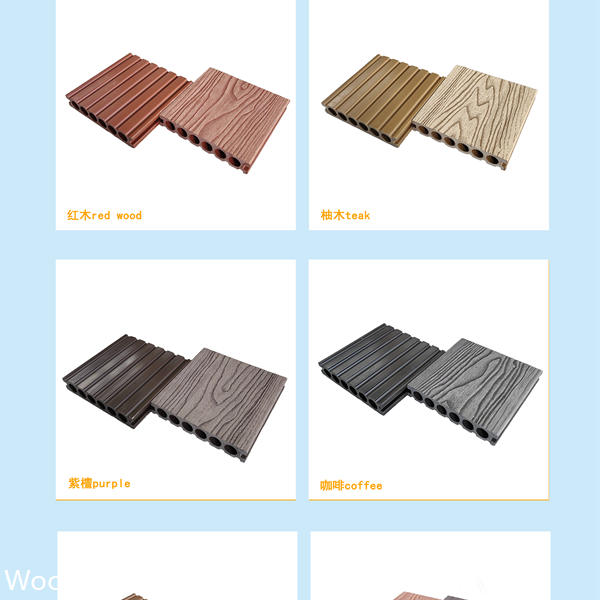
Haltbarkeit und Wetterbeständigkeit sind für Outdoor-Produkte von größter Bedeutung, insbesondere für Strukturen wie Lauben, die ständig mit den Elementen konfrontiert sind.Die Integration von Additiven und Modifizierern während des Formulierungsprozesses verbessert diese Eigenschaften.Häufig verwendete Additive sind Antimykotika und UV-Stabilisatoren, die den Verbund vor dem Abbau durch Feuchtigkeit und Sonneneinstrahlung schützen.Solche Verbesserungen sorgen dafür, dass der Holzverbund im Laufe der Zeit seine strukturelle Integrität und optische Attraktivität aufrechterhält.
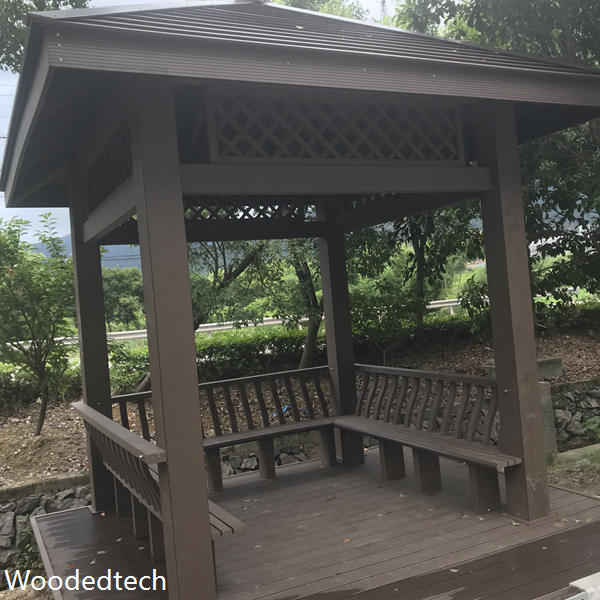
Gute Herstellungspraktiken schreiben vor, dass regelmäßige Überprüfungen der Endprodukte nach Industriestandards durchgeführt werden.Zum Beispiel hält ein Outdoor-WPC-Werk in Guangdong die ASTM D7032 ein, das Maßstäbe für die strukturelle Gestaltung von Holz-Kunststoff-Verbundwerkstoffen setzt.Durch die Sicherstellung der Einhaltung solcher Standards garantiert die Fabrik, dass sich ihre Lauben nicht verziehen, reißen oder verblassen, wodurch sie lang anhaltenden Komfort im Freien bieten.
Leistungsprüfung für Qualitätssicherung
Um die Zuverlässigkeit der Holzverbunddorn-Wärmedämmung zu gewährleisten, ist eine strenge Leistungsprüfung unerlässlich.Dazu gehört es, die Materialien verschiedenen Umweltbedingungen zu unterwerfen, die reale Nutzungsszenarien nachahmen.Die Wärmedämmleistung kann mit dem bewachten Heizplattenverfahren bewertet werden, das die Wärmeübertragung durch das Material misst.Solche Tests helfen, die Wirksamkeit der thermischen isolativen Eigenschaften zu ermitteln, die von verschiedenen Holzverbundformulierungen angeboten werden.
Darüber hinaus werden visuelle Inspektionen eingesetzt, um Oberflächenfehler oder Unregelmäßigkeiten zu identifizieren, die sowohl die Ästhetik als auch die Funktionalität beeinträchtigen könnten.Diese Inspektionen sind entscheidend, da auch kleinere Defekte in Zukunft zu erheblichen Problemen führen können.Die Einhaltung von Qualitätskontrollprotokollen stellt sicher, dass nur Produkte von höchster Qualität den Markt erreichen und das Vertrauen und die Zufriedenheit der Kunden stärken.
Umwelterhebungen in der Materialauswahl
Da Nachhaltigkeit immer wichtiger wird, ist die Wahl der Materialien in der Holzverbundproduktion von entscheidender Bedeutung.Viele Hersteller, insbesondere in Guangdong, beschaffen inzwischen recycelte Kunststoffe und nachhaltig geerntetes Holz, um die Umweltbelastung zu minimieren.Das unterstützt nicht nur eine Kreislaufwirtschaft, sondern spricht auch umweltbewusste Verbraucher an, die nach nachhaltigen Baumaterialien suchen.
Qualitätskontrollingenieure spielen eine wichtige Rolle bei der Überprüfung der Herkunft dieser Materialien.Durch Audits und die Anforderung von Echtheitszertifikaten von Lieferanten können Fabriken sicherstellen, dass die in ihren Holzverbunddornen verwendeten Rohstoffe den Umweltstandards entsprechen.Dieses Engagement für Nachhaltigkeit steigert nicht nur die Marktfähigkeit des Produkts, sondern trägt auch positiv zum Gesamtmarkenimage bei.
Zukünftige Trends in der Holzverbundentwicklung
Die Zukunft der Holzverbunddorn-Wärmedämmung scheint vielversprechend, da sich die Fortschritte in der Technologie weiter entwickeln.Innovationen in der Polymerchemie und Materialwissenschaft ebnen den Weg für Verbundwerkstoffe, die nicht nur besser funktionieren, sondern auch umweltfreundlicher sind.Ingenieure erforschen biobasierte Polymere und neuartige Additive, die die Wärmedämmeigenschaften weiter verbessern und gleichzeitig die Abhängigkeit von fossilen Brennstoffen verringern könnten.
Darüber hinaus können Fortschritte in Fertigungstechniken wie dem 3D-Druck komplexere und effizientere Designs ermöglichen, die die thermische Effizienz maximieren, ohne die ästhetische Anziehungskraft zu beeinträchtigen.Kontinuierliche Forschung und Entwicklung sind von größter Bedeutung, um den Marktanforderungen und regulatorischen Anforderungen einen Schritt voraus zu sein und sicherzustellen, dass Holzverbundprodukte eine wettbewerbsfähige Wahl für Anwendungen im Außenbereich bleiben.