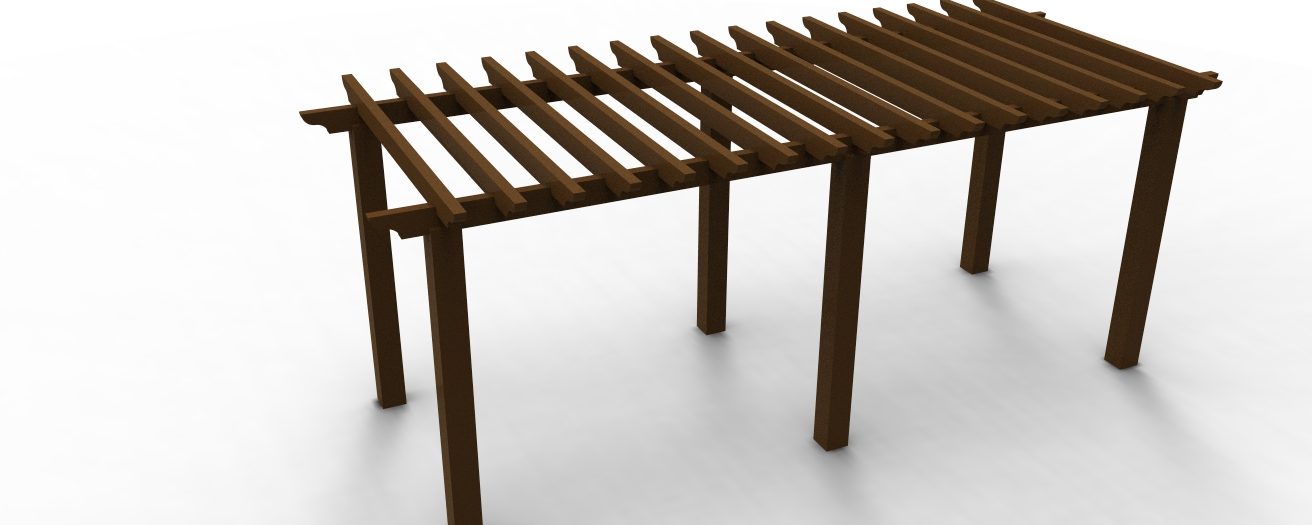
So installieren Sie Holz-Kunststoff-Verbundgitter für Gartenanwendungen
Vorteile von Holz-Kunststoff-Verbundwerkstoff für Anwendungen im Freien
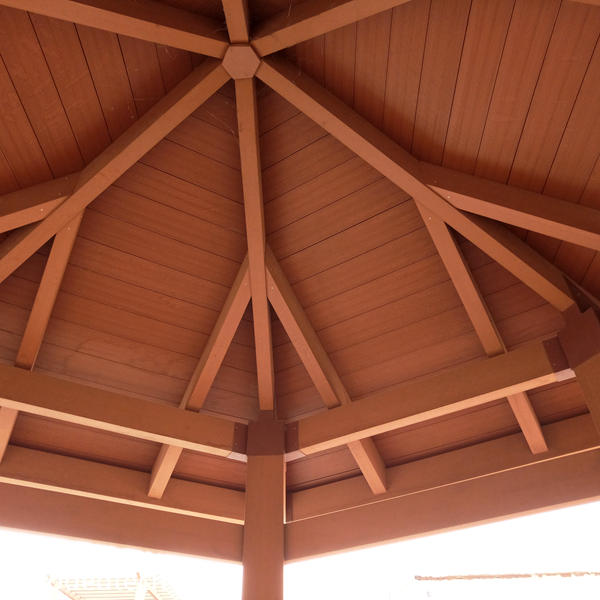
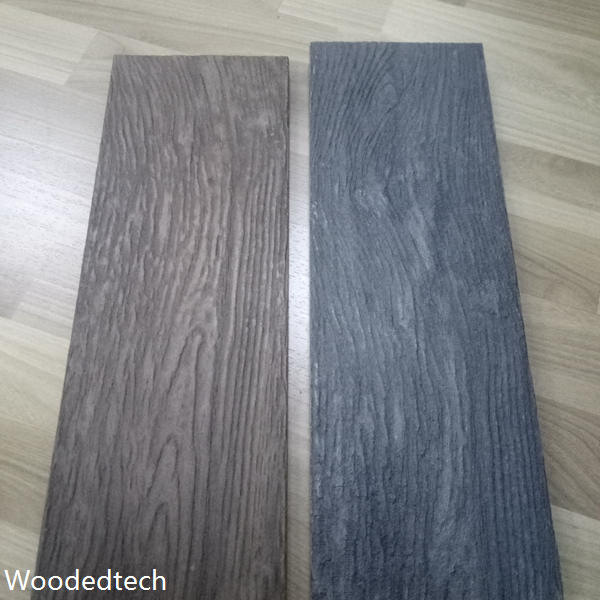
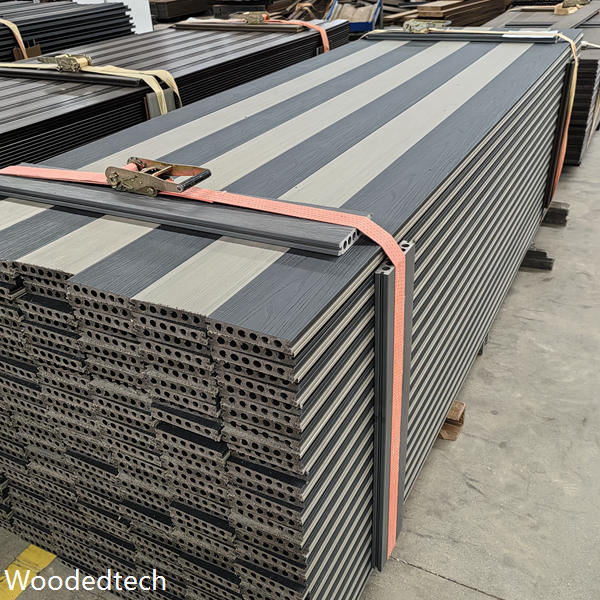
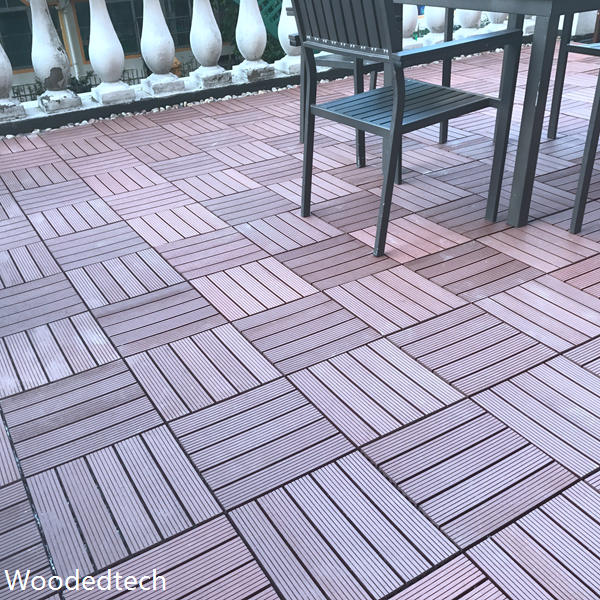
Holzkunststoff-Verbundwerkstoff (WPC) hat sich als nachhaltige Alternative im Bau- und Landschaftsbaubereich herausgestellt, insbesondere für Gartenanwendungen wie Gitter.Die primäre Anziehungskraft von WPC liegt in seiner Zusammensetzung, die recycelte Kunststoffe mit Holzfasern kombiniert.Diese einzigartige Mischung reduziert die Menge an Frischholz, die benötigt wird, wodurch Wälder erhalten und der gesamte ökologische Fußabdruck, der mit traditionellen Holzprodukten verbunden ist, gesenkt wird.Durch die Verwendung von Materialien, die sonst auf Deponien landen würden, ist WPC ein wichtiger Schritt in Richtung nachhaltigerer Baupraktiken.
Darüber hinaus übertrifft die Haltbarkeit von WPC die herkömmlicher Holz.Es ist resistent gegen Verfall, Schädlinge und Feuchtigkeit und ist damit eine ideale Wahl für Außeninstallationen.Gitter aus WPC ertragen raue Wetterbedingungen ohne Verwerfung oder Splitterung und sorgen dafür, dass sie im Laufe der Zeit ihre ästhetische Anziehungskraft und strukturelle Integrität bewahren.Diese Langlebigkeit führt zu weniger häufigen Ersatzlieferungen, was nicht nur Geld spart, sondern auch Abfall reduziert.
Installationsprozess für Holz-Kunststoff-Verbund-Trellis
Die Installation von Holz-Kunststoff-Verbundgittern erfordert eine sorgfältige Planung und Ausführung, um ein robustes und optisch ansprechendes Ergebnis zu gewährleisten.Beginnen Sie mit der Auswahl des richtigen Standorts in Ihrem Garten, wobei Faktoren wie Sonneneinstrahlung und Pflanzenverträglichkeit berücksichtigt werden.Sobald der ideale Ort gewählt ist, ist es wichtig, den Bereich zu messen und zu markieren, in dem das Gitter installiert wird.
Die Vorbereitung des Bodens ist ein entscheidender Schritt, da ein solides Fundament zur Langlebigkeit der Anlage beiträgt.Abhängig vom Design des Gitters müssen Sie möglicherweise Löcher nach Pfosten graben oder eine Basis vorbereiten, um die Struktur zu unterstützen.Wenn die Vorarbeit fertig ist, können Sie mit der Montage der WPC-Komponenten beginnen.Befestigungssysteme, einschließlich Schrauben oder Halterungen, die für WPC entwickelt wurden, sollten verwendet werden, um die Teile effektiv zu sichern.
Werkzeuge und Materialien erforderlich
Um einen reibungslosen Installationsprozess zu gewährleisten, sammeln Sie alle notwendigen Werkzeuge und Materialien im Voraus.Grundlegende Werkzeuge wie Bohrmaschine, Maßband, Niveau und Säge sind unerlässlich.Die Wahl des richtigen WPC-Typs ist ebenso wichtig; stellen Sie sicher, dass das Material für den Außenbereich geeignet ist und alle spezifischen Anforderungen für Ihr Projekt erfüllt.Darüber hinaus sollte ein hochwertiger Holzkunststoff-Verbundwerkstoff mit einer Garantie geliefert werden, die seine Haltbarkeit und Zuverlässigkeit widerspiegelt.
Sobald alle Werkzeuge und Materialien zusammengebaut sind, kann die Installation fortgesetzt werden.Die Einhaltung der Herstellerrichtlinien ist von entscheidender Bedeutung, da verschiedene WPC-Produkte eindeutige Anforderungen haben können.Wenn Sie sich während dieser Phase Zeit nehmen, werden bessere Ergebnisse erzielt, um sicherzustellen, dass das Gitter sowohl funktional als auch ästhetisch ansprechend ist.
Wartungsvorteile von Holz-Kunststoff-Verbundwerkstoff
Einer der wichtigsten Vorteile von Holz-Kunststoff-Verbundgitter ist seine pflegeleichte Natur.Im Gegensatz zu herkömmlichen Holzkonstruktionen erfordert WPC keine regelmäßige Verfärbung oder Versiegelung, um sein Aussehen und seine Funktionalität zu erhalten.Eine einfache Wäsche mit Seife und Wasser ist in der Regel ausreichend, um das Gitter frisch und sauber aussehen zu lassen.Diese einfache Wartung ist besonders vorteilhaft für vielbeschäftigte Hausbesitzer, die ihre Außenräume ohne die Last der extensiven Instandhaltung genießen möchten.
Die inhärenten Eigenschaften von WPC machen es widerstandsfähig gegen Verblassen und Verfärbung.Dies bedeutet, dass Ihr Gitter während der gesamten Jahreszeiten sein attraktives Aussehen behält und die sich entwickelnde Landschaft Ihres Gartens ergänzt.Darüber hinaus minimiert die Beständigkeit des Materials gegen Schimmel und Schimmel weiter den Wartungsaufwand, sodass Sie sich darauf konzentrieren können, Ihren Garten zu genießen, anstatt sich um Reparaturen zu kümmern.
Umweltauswirkungen der Installation von Holz-Kunststoff-Verbund-Trellis
Über die praktischen Vorteile hinaus trägt die Installation eines Holzkunststoff-Verbundgitters positiv zur Umwelt bei.Die Verwendung von recycelten Materialien in der WPC-Fertigung unterstützt direkt eine Kreislaufwirtschaft, in der Abfälle minimiert und Ressourcen wiederverwendet werden.Wenn Sie sich für WPC für Ihr Gartengitter entscheiden, nehmen Sie an nachhaltigen Praktiken teil, die dazu beitragen, die Nachfrage nach neuen Holzprodukten zu reduzieren, was letztendlich zu weniger Abholzung führt.
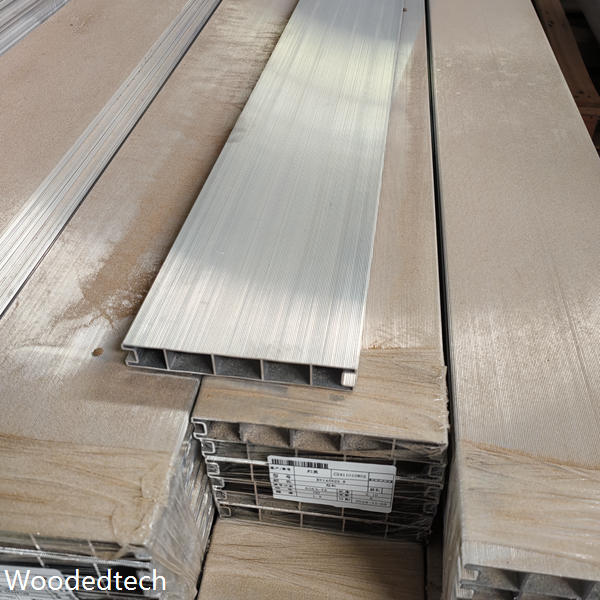
Darüber hinaus bedeutet die lange Lebensdauer von WPC, dass im Laufe der Zeit weniger Ressourcen verbraucht werden.Da traditionelle Holzkonstruktionen aufgrund der Verschlechterung alle paar Jahre ersetzt werden müssen, sorgt die Haltbarkeit von WPC dafür, dass weniger Materialien aus der Umwelt gewonnen werden.Diese Ausrichtung auf umweltfreundliche Prinzipien macht WPC zu einer offensichtlichen Wahl für Gärtner und Landschaftsgärtner, die sich in ihren Projekten für Nachhaltigkeit einsetzen.