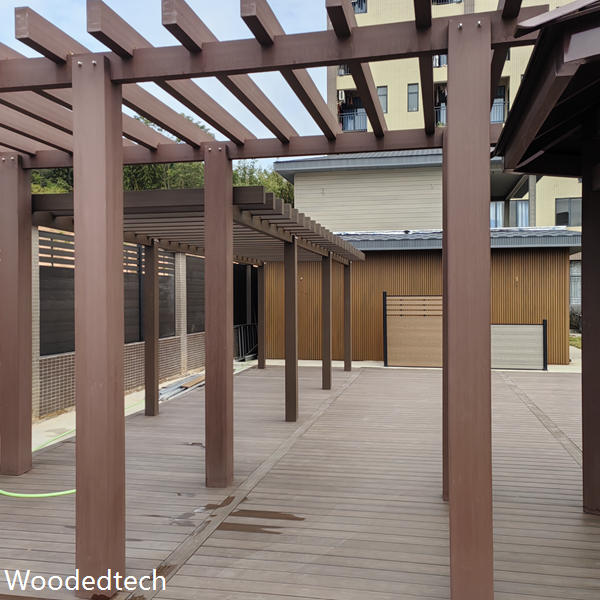
What are the Best practices for installing walkway cover WPC wood structures
Selecting the Right WPC Materials
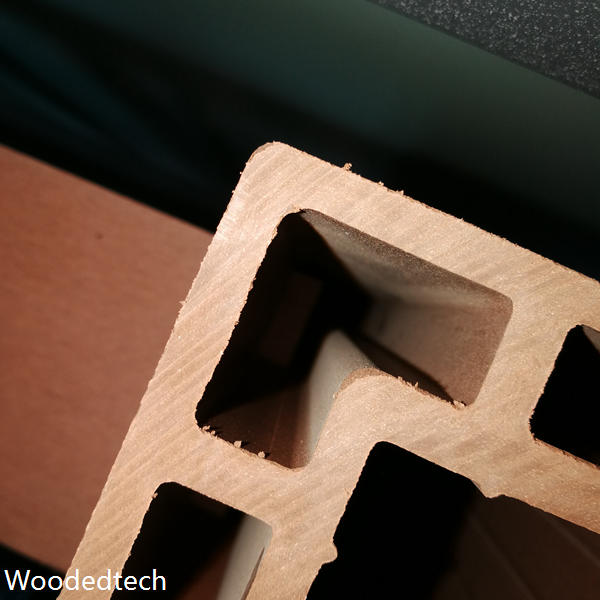
The first step to ensuring a successful installation of walkway cover WPC wood structures is choosing high-quality materials. WPC, or wood-plastic composite, combines the best attributes of both wood and plastic, making it an ideal choice for outdoor applications. The specific formulation of WPC can vary; thus, it is essential to select a product that has been manufactured to withstand the challenges of outdoor environments, including moisture, UV exposure, and thermal expansion. Look for WPC that is certified for durability and has undergone rigorous quality control tests. By sourcing materials from reputable manufacturers, you set the foundation for a long-lasting installation.
When considering thickness, it is advisable to opt for boards that are adequately thick to handle foot traffic while reducing the risk of warping or bending. Additionally, ensuring that the WPC has been treated with anti-fungal and anti-mildew properties can greatly enhance its longevity and aesthetic appeal.
Preparing the Installation Site
Proper site preparation is a critical phase that can dramatically influence the performance of your walkway cover WPC wood structures. Begin by clearing the area where the installation will take place. Remove any debris, vegetation, or existing structures that could hinder proper drainage. A well-drained installation site is vital as it helps prevent water pooling, which can lead to the degradation of the WPC material over time.
It is also important to ensure that the substructure is level. A sloped substructure can affect the alignment and stability of the walkway. Using a laser level or similar equipment can be beneficial in achieving a flat surface. In cases where the ground is not even, soil excavation or the addition of gravel might be required to establish a firm and stable base.
Installing the Support Structure
The support structure is the backbone of any WPC walkway system and requires meticulous attention to detail. Utilizing a frame made of treated wood or metal is highly recommended to ensure additional stability and resistance against the elements. The spacing between joists should adhere to the manufacturer’s guidelines, typically ranging from 16 to 24 inches apart, depending on the thickness of the WPC boards used.
Furthermore, when laying the joists, consider incorporating a slight slope away from buildings or other structures to facilitate water runoff. This precaution can significantly reduce the risk of standing water, which can compromise the integrity of the WPC over time. Using a quality adhesive or screws specifically designed for WPC can also improve the longevity of the installation.
Correct Board Installation Techniques
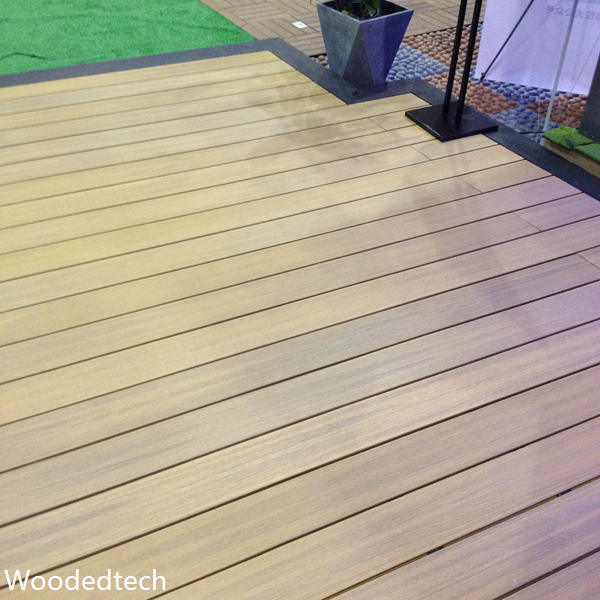
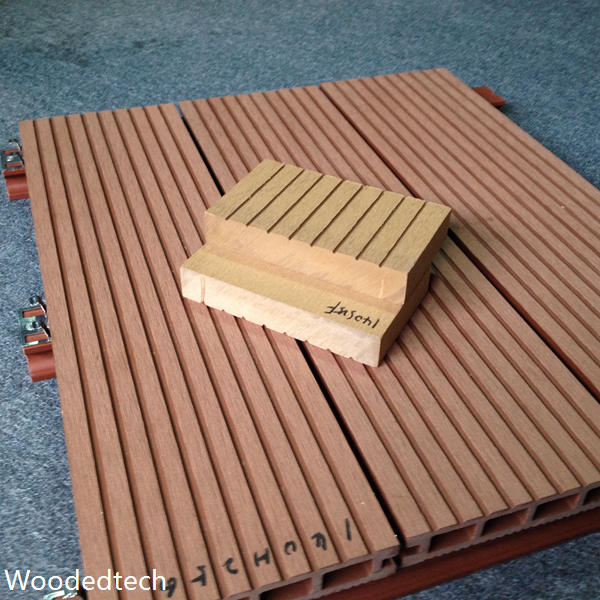
When it comes to installing the WPC boards themselves, following best practices is critical for ensuring a secure and visually appealing finish. Boards should be laid out in a staggered pattern to enhance aesthetics and reduce the chance of weak points in the structure. Adequate spacing between boards is essential to accommodate expansion and contraction due to temperature fluctuations. Typically, a gap of around 1/4 inch is advisable.
Utilising a hidden fastening system can provide a cleaner look while protecting the boards from exposure to water and debris. Ensure that all fasteners are installed correctly, avoiding over-tightening, which can cause the WPC to warp. Pay attention to the manufacturer’s guidelines regarding installation techniques, as specific instructions may vary based on the product line.
Post-Installation Maintenance
Engaging Professional Installers
While many DIY enthusiasts may feel equipped to tackle the installation of walkway cover WPC wood structures, engaging professional installers can ensure that the project meets industry standards, mitigating the risks of errors. Professionals bring invaluable experience and knowledge of local building codes, which is essential for compliance and safety. Moreover, their expertise helps in achieving a superior finish that enhances the overall appeal of the installation.
Investing in professional services can also save time and resources in the long run, as they are adept at identifying potential challenges ahead of time and can offer solutions that a novice might overlook. This proactive approach ultimately leads to a more satisfying and lasting outdoor structure.