What are the differences between Green tunnel WPC vs traditional building materials
Comparing Green Tunnel WPC and Traditional Building Materials
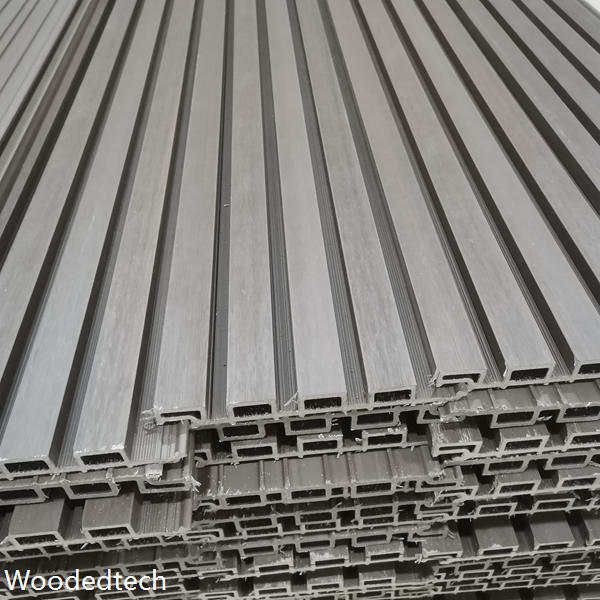
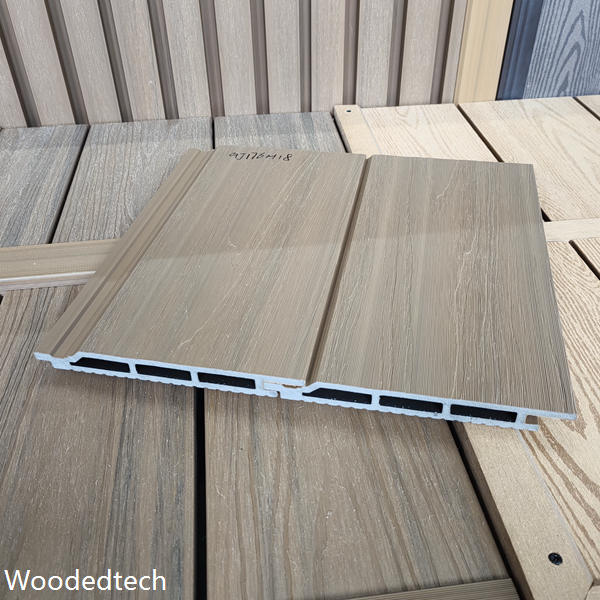
In the field of architectural materials, the choice between Green tunnel WPC and traditional building materials such as natural wood, timber, and aluminum presents various implications for performance, aesthetics, and sustainability. Green tunnel WPC, a composite material made from a blend of recycled wood fibres and thermoplastics, offers a modern alternative to conventional materials, particularly in outdoor applications. Its composition allows for greater versatility while addressing the pressing need for eco-friendly solutions in construction.
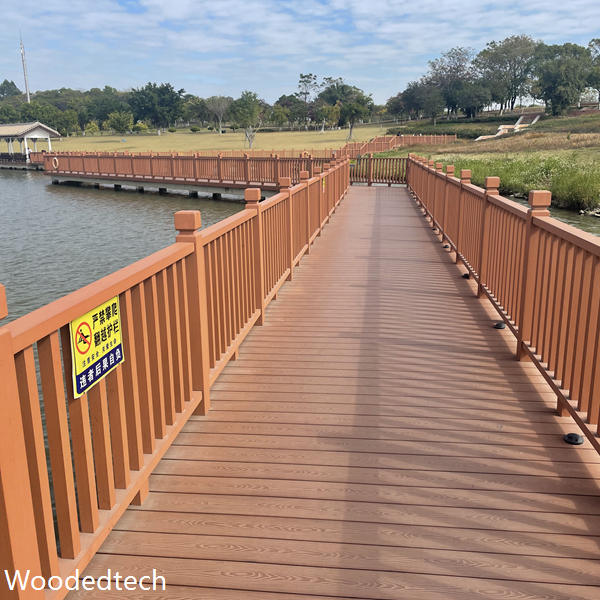
Natural wood and traditional timber have long been favoured for their aesthetic appeal and structural integrity. However, they come with significant drawbacks, including susceptibility to rot, pests, and warping due to environmental conditions. In contrast, Green tunnel WPC is engineered to resist these issues, providing a more durable option for outdoor settings. While traditional materials may offer a warm, organic look, the consistent colour and texture of WPC can enhance modern architectural designs without compromising on visual appeal.
Advantages of Green Tunnel WPC
One of the foremost advantages of Green tunnel WPC lies in its low maintenance requirements. Unlike natural wood, which necessitates regular staining, sealing, and replacement due to decay, WPC needs only occasional cleaning to maintain its appearance. This ease of upkeep translates into lower lifecycle costs, making Green tunnel WPC an economically viable choice for both homeowners and commercial projects.
Moreover, Green tunnel WPC is designed to endure extreme weather conditions, from intense sun exposure to heavy rainfall, without fading or cracking. This resilience not only enhances the longevity of the material but also reduces the environmental impact associated with frequent replacements. When comparing lifecycle costs, the durability of WPC often leads to a lower total cost of ownership over time, particularly in high-traffic areas or locations prone to harsh elements.
Disadvantages and Environmental Considerations
Despite its advantages, Green tunnel WPC does have some disadvantages that merit consideration. For instance, while it may mimic the look of wood, some critics argue that it lacks the authentic texture and warmth associated with natural materials. This perception can influence the aesthetic choices made by architects and designers, especially in projects where traditional appearances are paramount.
Maintenance and Lifecycle Costs of Traditional Materials
Traditional building materials such as timber and aluminium present their own set of maintenance challenges. Wood, while aesthetically pleasing, requires a commitment to regular upkeep, as neglect can lead to significant degradation. The cost of treating wood to prevent pest infestation and moisture damage can accumulate over the years, often leading to unexpected expenses that can undermine initial savings on material costs.
Aluminium, on the other hand, boasts impressive durability and resistance to rust and corrosion. However, it can be prone to denting and scratching, which may necessitate repairs or coatings over time. The lifecycle costs of aluminium can vary widely depending on the application and maintenance practices, making it essential for project planners to evaluate long-term durability against upfront costs.
The Future of Building Materials
The construction industry is increasingly leaning towards sustainable alternatives, and Green tunnel WPC represents a significant step forward in that direction. As environmental regulations become more stringent, the demand for materials that balance aesthetic appeal with sustainability will grow. WPC’s potential for reducing timber consumption aligns well with global efforts to protect forests and promote responsible resource utilization.
Moreover, the ongoing advancements in WPC technology will likely further enhance its appeal in comparison to traditional materials. Innovations in manufacturing processes and product formulations could lead to improvements in both performance and aesthetics, making Green tunnel WPC an even more competitive choice for a variety of applications. By staying informed about these developments, architects and builders can make more informed decisions that benefit both their projects and the planet.