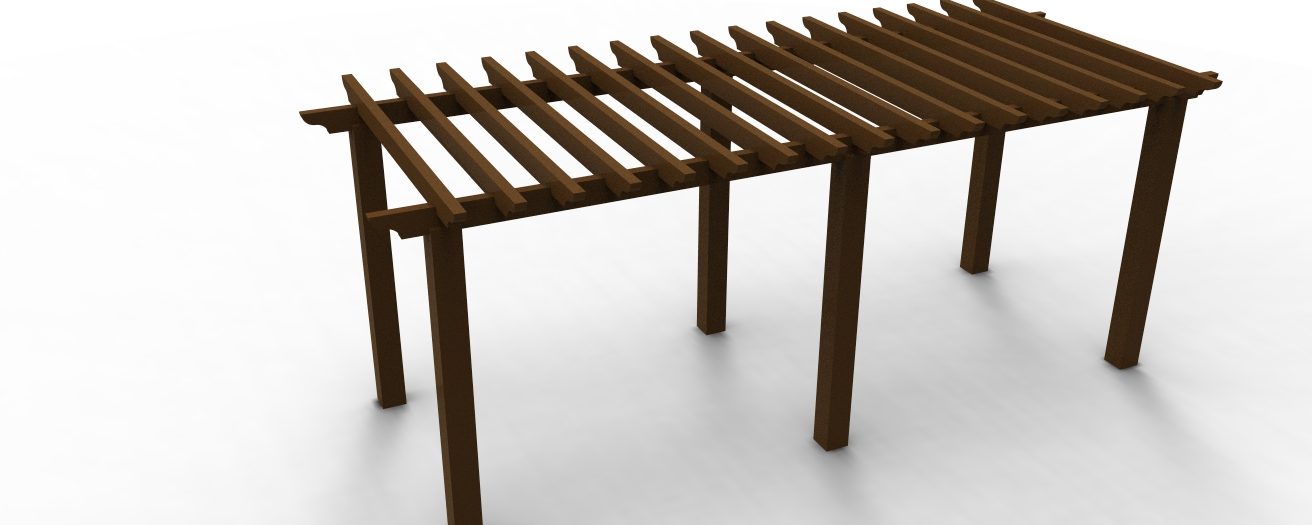
Which is better WPC wood gazebo vs resin durability for outdoor use
WPC Wood Gazebo vs Resin Durability
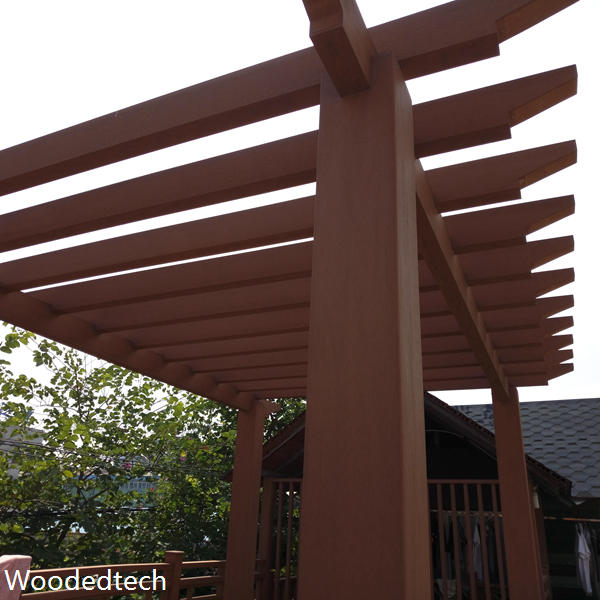
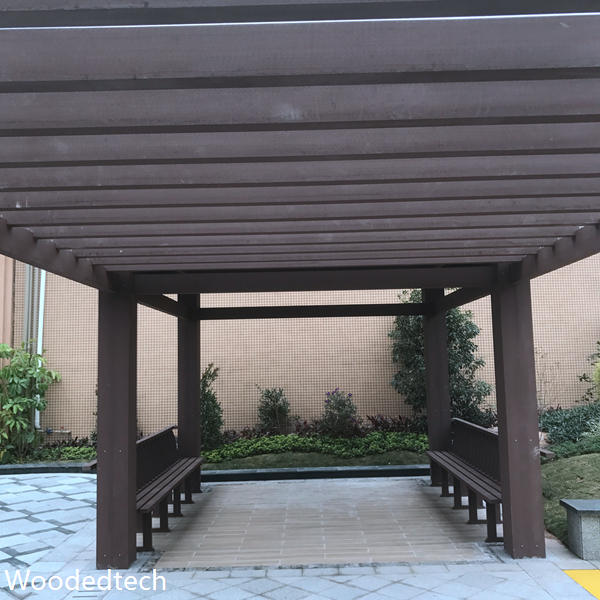
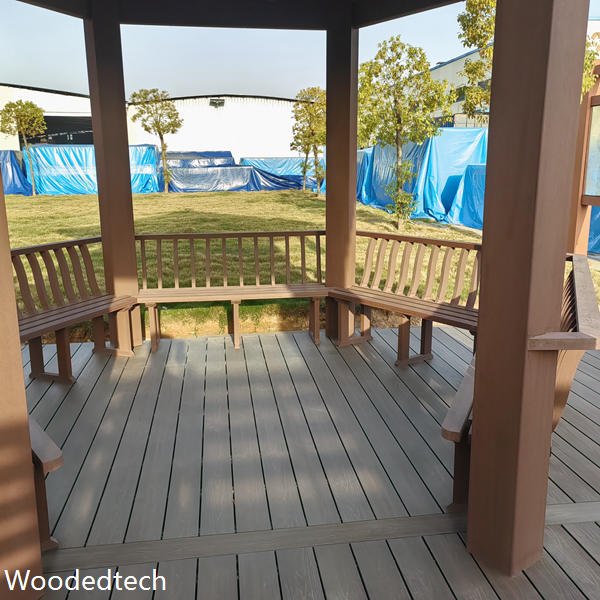
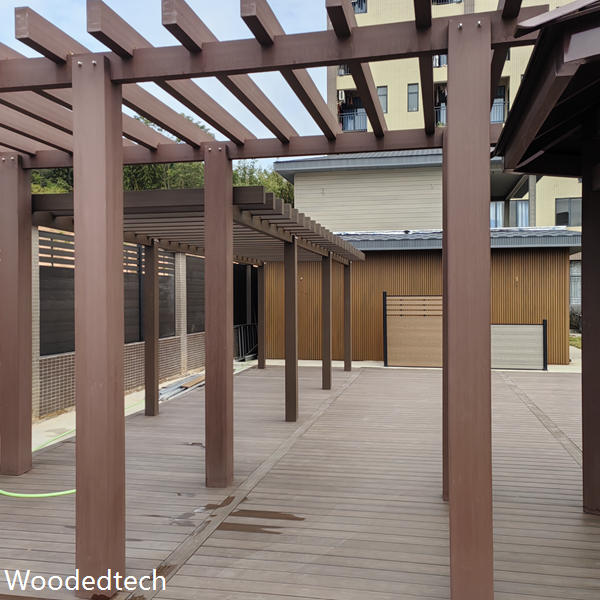
When considering the construction of an outdoor space, the choice between a WPC wood gazebo and a resin alternative often arises. WPC, or wood-plastic composite, offers a harmonious blend of wood fibres and recycled plastic, resulting in a strong, weather-resistant material. In contrast, resin materials, while also durable, present different challenges and advantages. WPC wood gazebos are designed to withstand the elements, resisting warping, fading, and splintering, which often plague traditional wooden structures. The durability of WPC provides the added benefit of maintaining an aesthetic appeal over time, thus ensuring that outdoor spaces remain inviting and visually appealing.
Resin materials, touted for their lightweight properties, may not offer the same level of structural integrity as WPC. While they do resist moisture and insects, leading to lower maintenance requirements, they can sometimes lack the rich texture and warmth associated with natural wood. This makes WPC a more attractive option for those looking to create an outdoor area that complements a sophisticated design without sacrificing strength and longevity.

Modern Design Trends in Outdoor Spaces
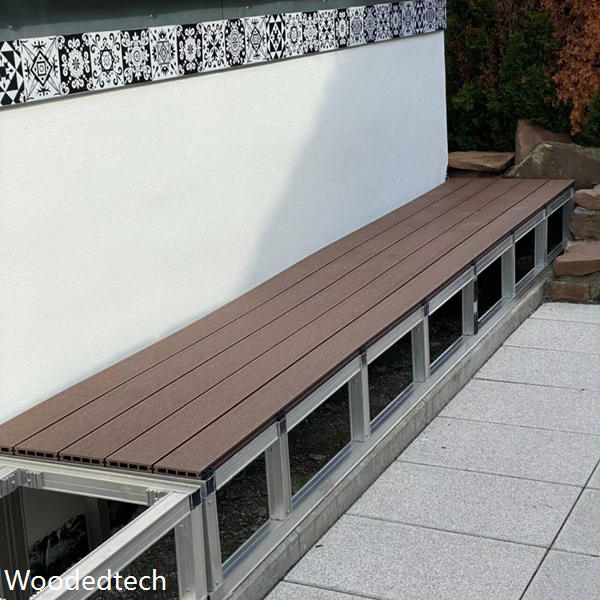
The evolution of outdoor design has embraced a variety of modern trends that significantly enhance the aesthetic and functional aspects of spaces. WPC products, including decking, wall panels, and gazebos, frequently feature modular designs that allow for greater flexibility in creating personalised spaces. This trend encourages homeowners to express individuality while ensuring that their outdoor environments remain cohesive and stylish.
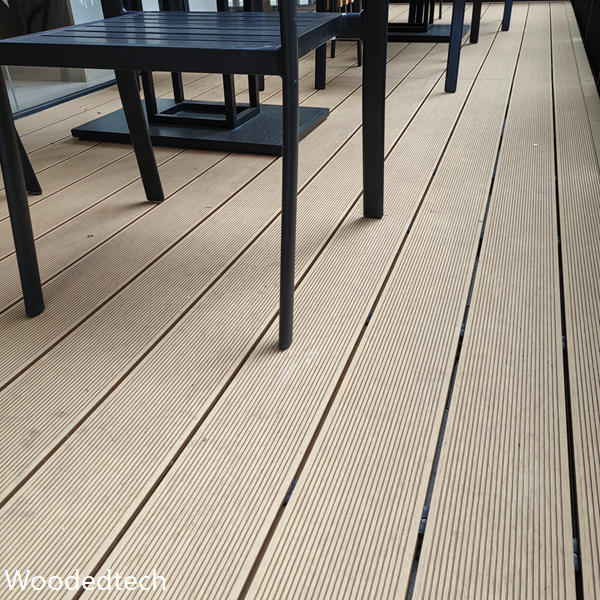
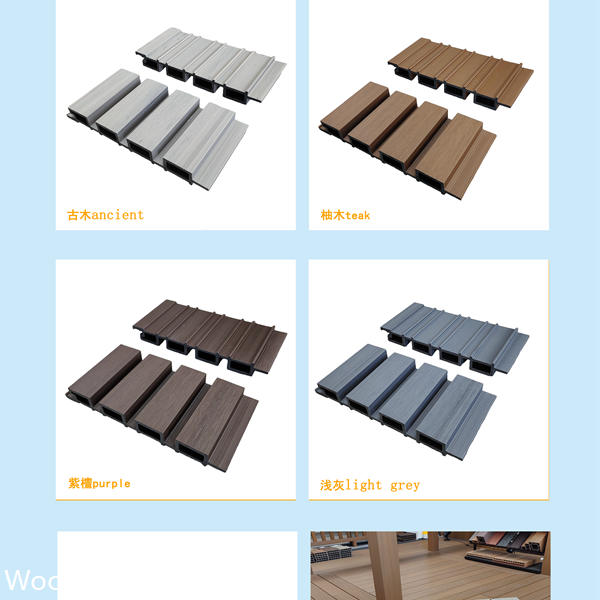
Colour and texture play essential roles in these designs. WPC can be manufactured in an array of hues and finishes, allowing for the perfect match to existing architecture and landscaping. The wood-like textures of WPC not only evoke a natural feel but also enhance grip and safety, making them particularly suitable for areas around pools and gardens.
Profiles and Modular Designs for Enhanced Functionality
Profiles in WPC products have become increasingly sophisticated, offering unique shapes and sizes that promote versatility. Designers are now leveraging modular components in outdoor settings, allowing for easy installation and potential reconfiguration as needs change. These profiles can include intricate designs suited for decorative purposes, or simpler forms prioritising practicality and ease of maintenance.
The modular aspect means that a WPC wood gazebo can be expanded or adapted over time, ensuring that it continues to serve the homeowner’s evolving needs. This adaptability is a significant advantage in contrast to traditional materials, which may require complete replacement if alterations are needed. By integrating innovative profiles into outdoor design, spaces can be transformed into multifunctional areas, suitable for entertaining, relaxation, or even as a picturesque backdrop for family gatherings.

Textures that Enhance Outdoor Ambiance
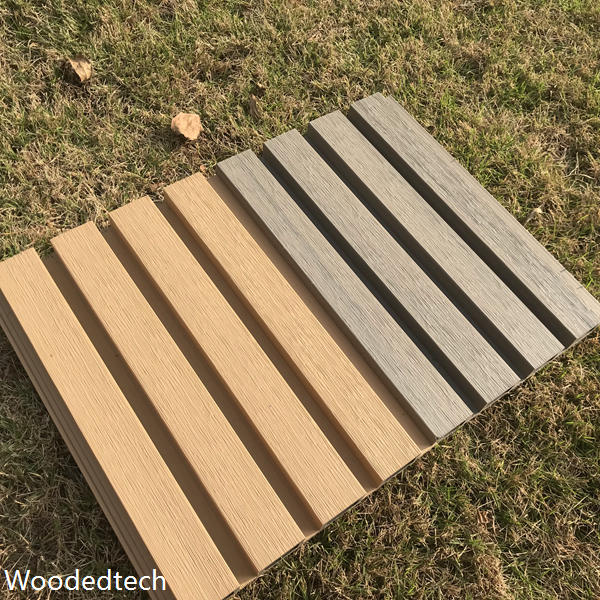
Another vital aspect of modern outdoor design is the use of texture. WPC products can be finished to simulate various natural materials, providing a unique tactile experience that enhances the overall ambiance of an outdoor space. This attention to texture can evoke a more organic feel, drawing individuals into the space and encouraging them to engage with their environment.
For instance, a WPC gazebo with a rough-hewn finish not only resembles traditional wood but also offers slip resistance, making it a practical choice for poolside settings. On the other hand, smoother textures can lend a contemporary edge, offering a sleek and polished look that pairs beautifully with modern landscaping. The ability to mix and match these textures allows for creative freedom, leading to the creation of truly personalised outdoor environments.
The Role of Sustainable Materials in Outdoor Design
As the focus on sustainability continues to grow, WPC products stand out as an excellent choice for environmentally conscious consumers. The combination of recycled materials in WPC not only reduces waste but also conserves natural resources. This commitment to sustainability resonates with modern homeowners who prioritise eco-friendly options without compromising on quality or aesthetics.
In addition, WPC materials are designed to endure harsh weather conditions, reducing the need for frequent replacements and, subsequently, the carbon footprint associated with manufacturing new products. As more people seek to create sustainable and visually appealing outdoor spaces, WPC offers the perfect balance of durability and environmental responsibility, particularly when compared to less sustainable resin alternatives.