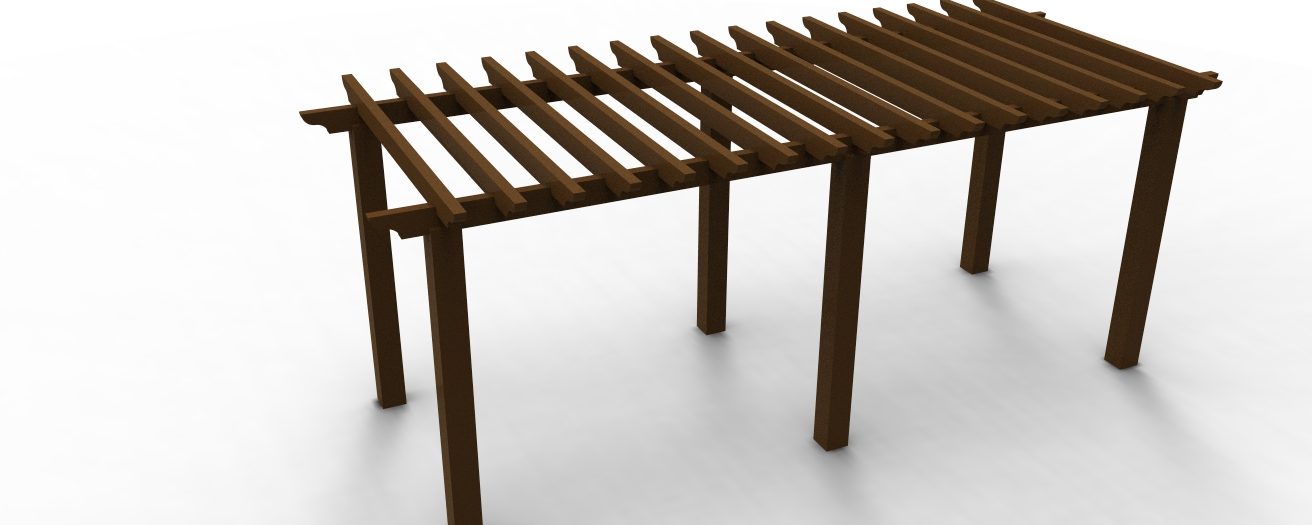
适用于户外应用的木质塑料复合格子与乙烯基
Understanding the Materials
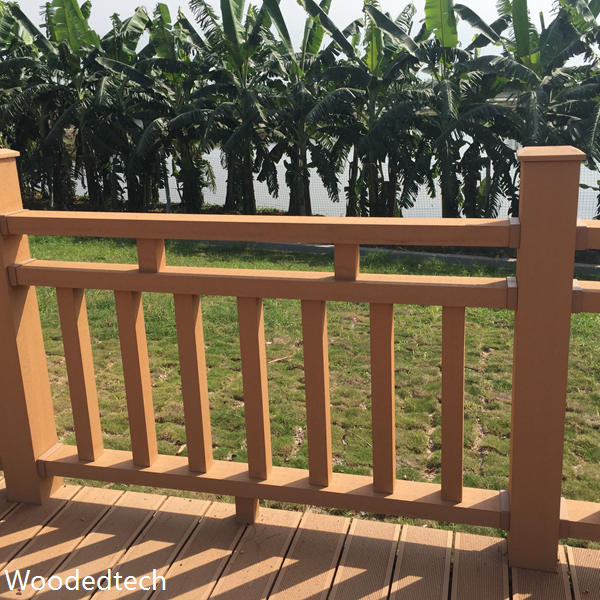
When considering outdoor structures such as pergolas, fences or trellises, choosing the right material is pivotal. Two popular options on the market are wood plastic composite (WPC) lattice and vinyl. Both materials offer unique benefits, but their suitability for specific applications may vary significantly. Wood plastic composite lattice is made from a blend of wood fibres and recycled plastic, providing the natural aesthetic of wood while boasting enhanced durability. On the other hand, vinyl, a synthetic option, is known for its weather resistance and low maintenance. Understanding the inherent properties of these materials can aid in making the right choice for your outdoor project.
Design Flexibility
One of the standout advantages of wood plastic composite lattice is the extensive design flexibility it offers. Available in various styles, sizes, and configurations, WPC allows for an array of design possibilities, making it an excellent choice for bespoke outdoor structures. Whether one prefers a traditional look or a contemporary style, WPC can be tailored to meet specific aesthetic preferences.

In contrast, vinyl tends to have a more limited range of designs and colours. While it can be produced in different styles, the inherent nature of vinyl restricts its adaptability in comparison to the versatile wood plastic composite lattice. For homeowners and designers looking to create a unique outdoor space, WPC lattice emerges as the superior choice.
Colour Options and Finishes
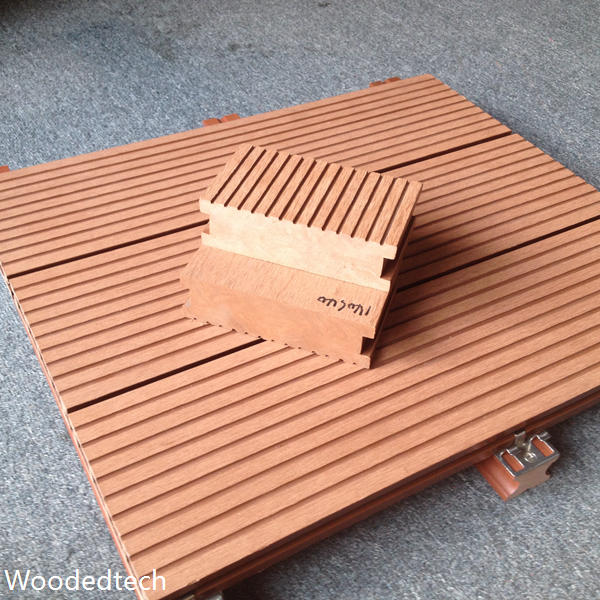
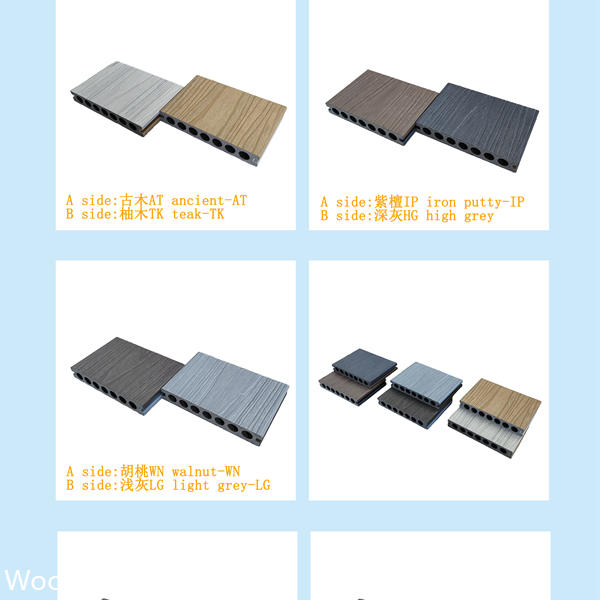
Another significant factor is the range of colours and finishes available. Wood plastic composite lattice can be manufactured in various shades, mimicking the appearance of natural wood alongside vibrant hues that appeal to modern tastes. With options to paint or stain, WPC offers the opportunity to create custom finishes that enhance the overall aesthetic of any outdoor space.

Vinyl, though available in multiple colours, typically lacks the depth and texture that can be achieved with WPC. Most vinyl products come in solid colours that cannot be altered, which may limit creative expression in outdoor design. For projects that demand a specific colour palette or intricate finish, wood plastic composite lattice provides more versatility.
Durability and Maintenance
Durability is a critical consideration when selecting materials for outdoor use. Wood plastic composite lattice is engineered to withstand the elements, resisting warping, splitting, and fading. This resilient nature means that WPC can maintain its aesthetic appeal for years, often requiring only occasional cleaning to keep it looking fresh.
Vinyl products, while also durable, can sometimes become brittle over time when exposed to extreme temperatures. While it offers easy maintenance due to its low upkeep nature, any damage to vinyl can be more challenging to repair compared to wood plastic composites. Therefore, for long-lasting outdoor structures that can handle various environmental conditions, WPC lattice presents a compelling option.
Environmental Considerations
Vinyl, although recyclable, is derived from petroleum, which raises concerns about its environmental footprint. Homeowners looking to make eco-friendly choices might find wood plastic composite lattice to be a more responsible option, aligning their outdoor design with sustainability goals while enjoying the aesthetic benefits.
成本效益
Finally, when it comes to budget considerations, both wood plastic composite lattice and vinyl offer different financial implications. While the initial cost of WPC might be higher than that of vinyl, its durability often leads to lower long-term maintenance expenses. Over time, the need for repairs or replacements can make WPC a more cost-effective choice, particularly for those investing in long-lasting outdoor structures.
Vinyl may appeal with its lower upfront costs, but potential long-term issues could lead to higher expenses in the future. For buyers seeking to balance initial investment with durability and longevity, wood plastic composite lattice often proves to be the more economical option in the long run.