树冠复合聚合物木材与室外遮阳结构的WPC
Understanding WPC and Canopy Composite Polymer Wood
The choice between canopy composite polymer wood and WPC (wood plastic composite) for outdoor shade structures has become increasingly significant for homeowners and designers alike. Both materials offer distinct advantages, yet understanding their properties is crucial for making an informed decision. WPC is a blend of wood fibres and recycled plastics, designed to provide a versatile and durable solution for various outdoor structures. Canopy composite polymer wood, on the other hand, typically refers to products engineered specifically for shade applications, featuring a different composition aimed at flexibility and aesthetic appeal.
WPC has gained popularity due to its resilience against weather conditions and minimal maintenance requirements. Unlike traditional wood, WPC does not warp, crack, or splinter, making it an ideal choice for outdoor environments. Canopy composite polymer wood may offer enhanced flexibility in design and can incorporate features such as curved shapes or intricate patterns, appealing to those seeking modern aesthetics in their outdoor spaces.
Design Flexibility of WPC Structures
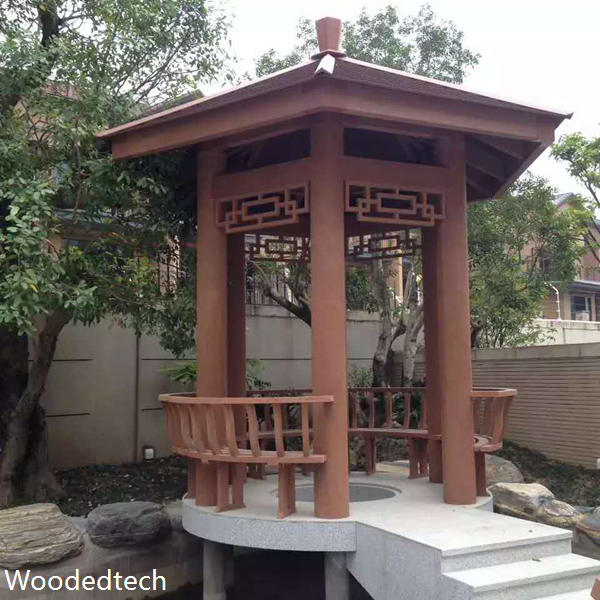
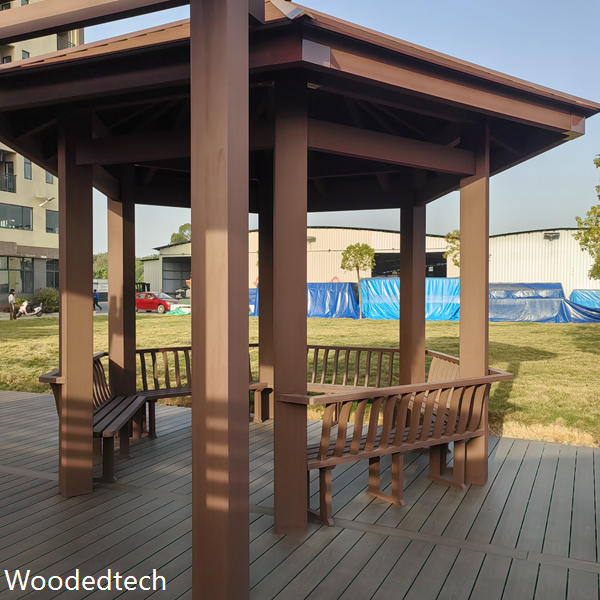
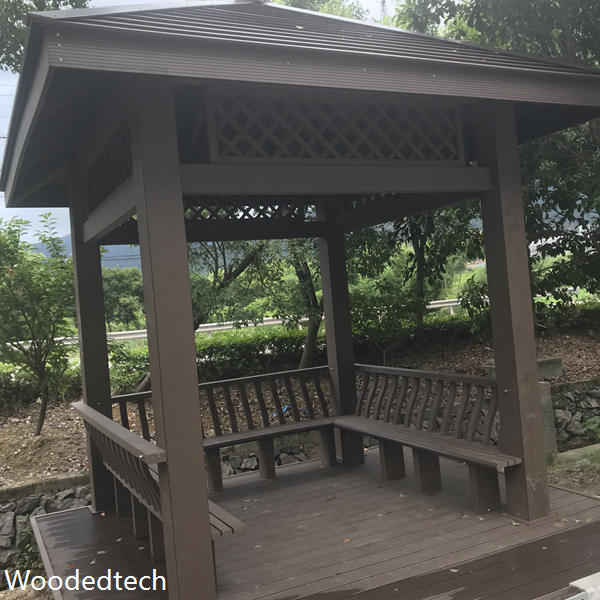
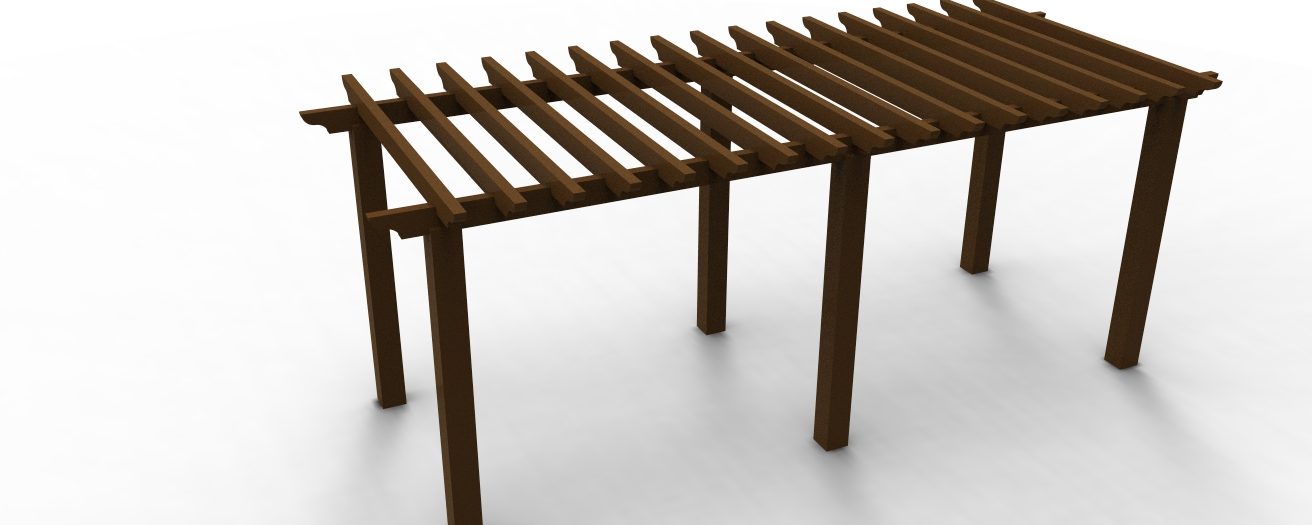
One of the most compelling aspects of WPC is its design flexibility. The material can be easily moulded into various shapes, allowing for creative architectural solutions. Whether you envision a contemporary pergola or a traditional gazebo, WPC adapts well to any style. This flexibility extends to the size and structure of the installation, making it suitable for large patios or small gardens alike.
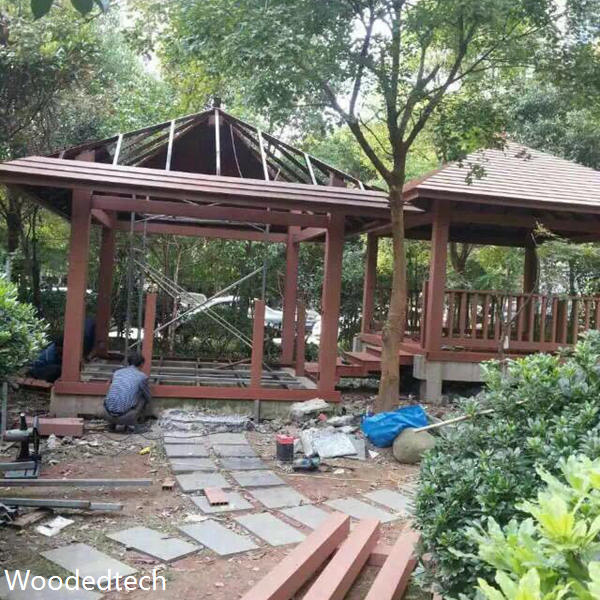
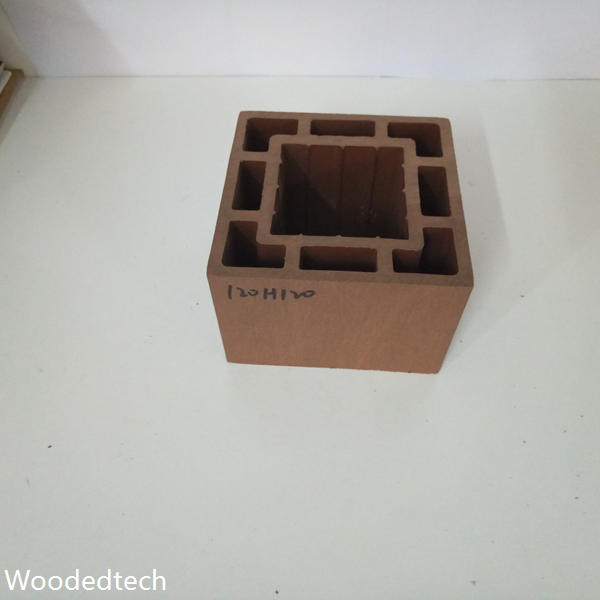
Furthermore, WPC can be produced in various forms, such as planks, panels, and beams, enabling designers to craft custom outdoor structures that fit specific spaces and preferences. Its lightweight nature means that less complex supporting structures are required, opening up a plethora of design possibilities. This versatility is often a deciding factor for architects and builders when selecting materials for outdoor shade solutions.
Colour and Finish Options for Outdoor Structures
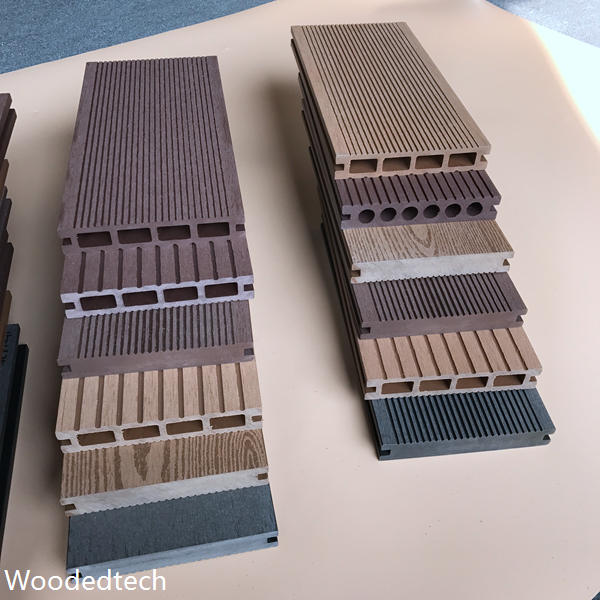
When it comes to aesthetics, the choice of colour and finish plays a significant role in enhancing the overall appeal of outdoor structures. WPC is available in a wide range of colours, mimicking the natural hues of wood while providing the added benefit of UV resistance. This means that the colours remain vibrant over time, even when exposed to harsh sunlight.
Canopy composite polymer wood generally offers similar options, but with an emphasis on modern finishes that appeal to contemporary design trends. Textured finishes, matte surfaces, and even glossy options allow for personalisation that aligns with various outdoor themes. This range of choices makes it easier for homeowners to achieve the specific look they desire, whether they aim for a rustic charm or a sleek, modern appearance.

Maintenance Considerations
Maintenance is another key factor that distinguishes WPC from canopy composite polymer wood. WPC requires minimal upkeep; a simple wash with soap and water is often sufficient to keep it looking new. This is a considerable advantage for busy homeowners who prefer spending time enjoying their outdoor structures rather than maintaining them.
Canopy composite polymer wood, while also requiring less maintenance than traditional wood, may need periodic checks for any fading or wear, particularly if it is exposed to the elements continuously. Understanding the care requirements of each material can help in making an informed choice that aligns with lifestyle preferences.

Cost Considerations and Value
Cost is often a decisive factor when choosing materials for outdoor structures. WPC tends to be more cost-effective in the long run due to its durability and low maintenance needs. While the initial investment may be higher than traditional wood, the savings on upkeep and replacement make it a wise choice for many.
Canopy composite polymer wood can sometimes carry a premium price tag due to its specialised applications and design capabilities. However, for those prioritising unique aesthetics and bespoke designs, this investment can yield significant returns in terms of property value and personal satisfaction.