Neden dış mekan kullanımı için Gazebo kompozit polimer ahşap seçin
Gazebo Kompozit Polimer Ahşap Faydası
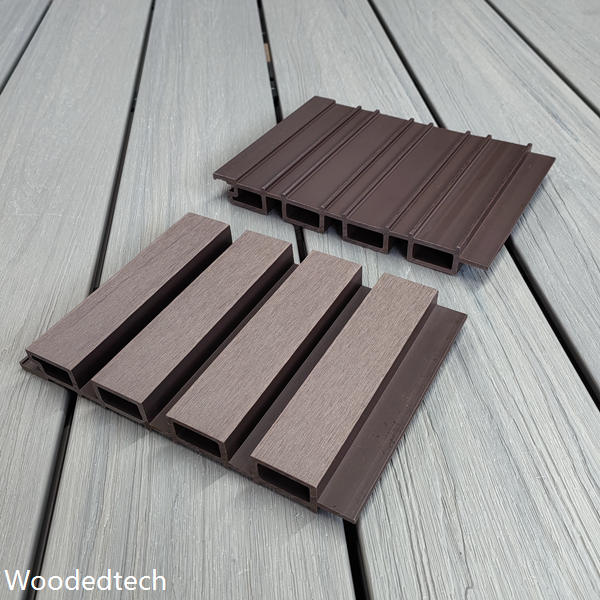
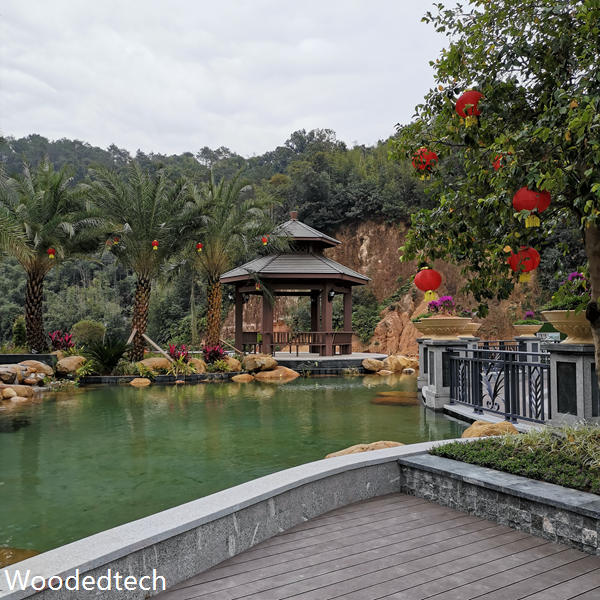
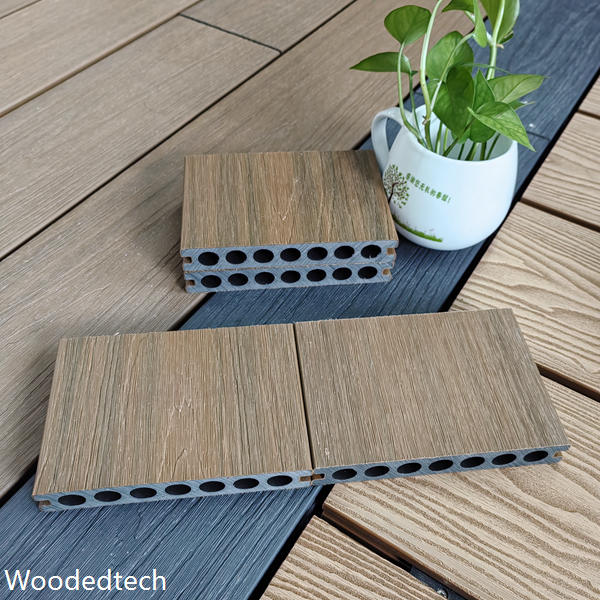
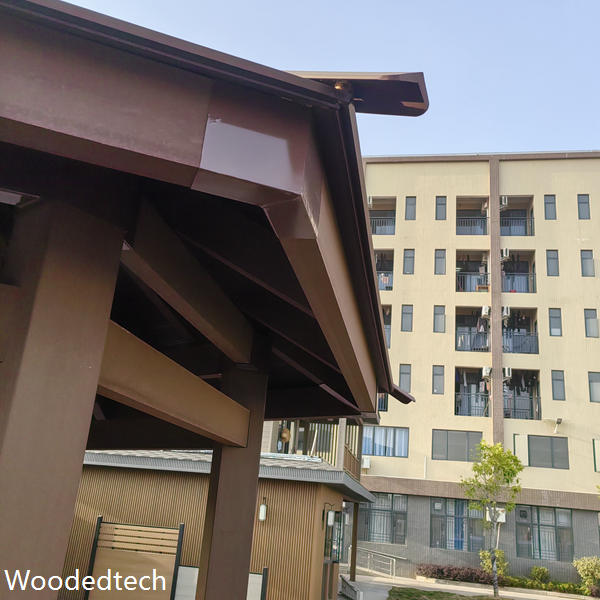
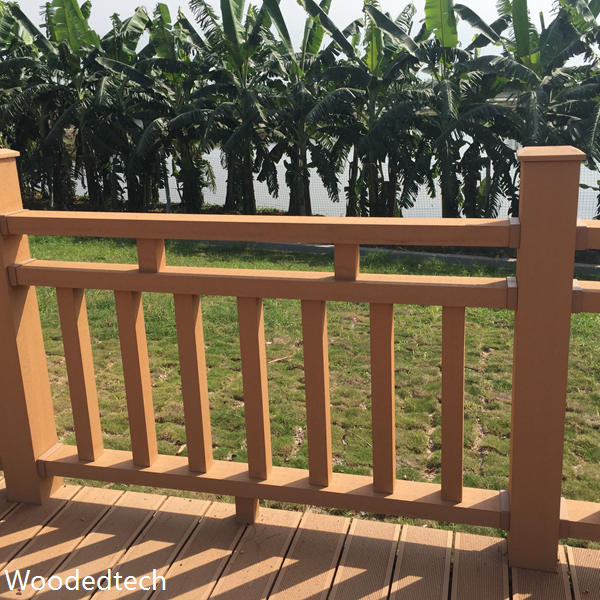
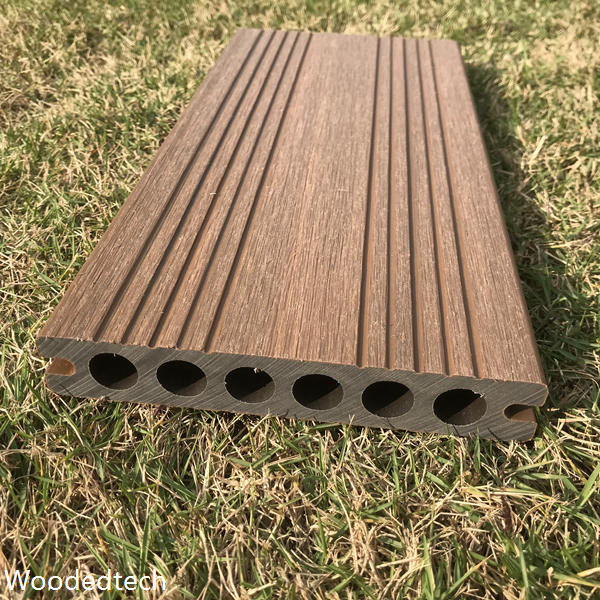
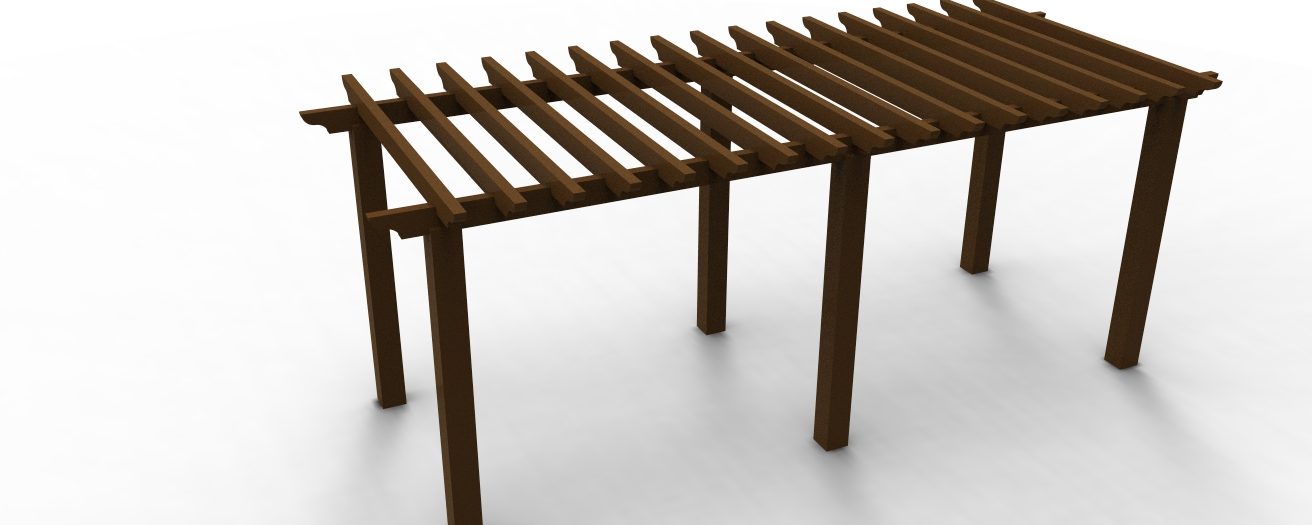
Açık kullanım için Gazebo kompozit polimer ahşap seçmek çok sayıda avantaj sunar.Bu yenilikçi malzeme, geleneksel akabın estetik çekici cazibeyi sentetik malzemelerin dayanıklılığı ve düşük-maintens özellikleriyle birleştiriyor.Sonuç, güverteler ve çardaklar için kaplama gibi dış mekan yapıları için ideal olan uzun ömürlü bir çözümdür.Nem, böcekler ve UV ışınlarına karşı direnci ile Gazebo kompozit polimer ahşap, en zorlu hava koşullarında bile görünümünü ve bütünlüğünü korur.Bu esneklik, güzel, sürdürülebilir dış mekanlar yaratmak isteyen peyit tasarımcıları ve mimarlar için tercih edilen bir seçim yapar.
Bir diğer önemli avantaj, kompozit polimer akünün çevre dostu doğasıdır.Geri dönüştürülmüş malzemelerden yapılmış, doğal keresteye olan bağımlılığı azaltır, böylece orman kaynaklarını korur.Bu yön, sürdürülebilir yapı malzemelerine olan artan taleple uyumludur ve bu seçimi sadece pratik değil aynı zamanda sorumlu hale getirir.Ek olarak, mevcut renk ve doku çeşitliliği, ev sahiplerinin ve müteahhitlerin dayanıklılık sağlarken kişisel tarzı yansıtacak özelleştirilmiş dış mekan ortamları oluşturmalarını sağlar.
Kurulum için Subframe Hazırlamak
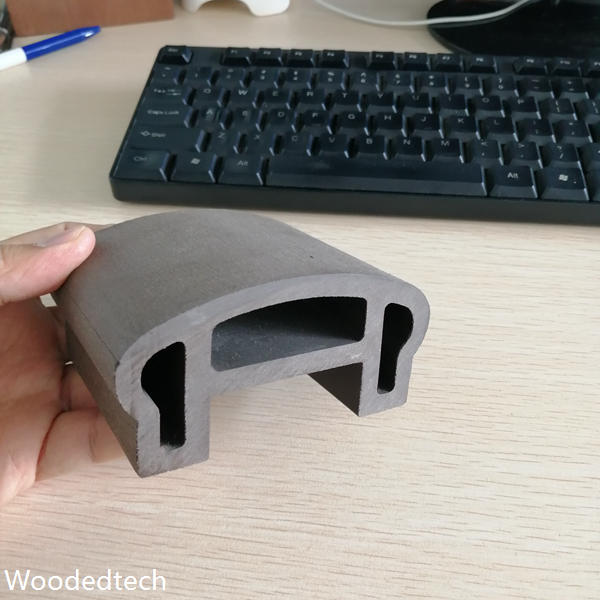
Gazebo kompozit polimer ahşap zemin kaplama veya duvar kaplaması kurmadan önce, sağlam bir temel kritik öneme önemsedilendir.Yapının oturacağı zemini değerlendirerek başlayın.Seviye ve kararlı olduğunu garanti edin, bu, kurulumunuzun genel uzun ömürlülüğünü etkileyecektir.Decking ile çalışıyorsanız, destekleyici bir alt çerçeve oluşturmak için beton bloklar veya işlenmiş bir kereste çerçevesi kullanmayı düşünün.Alt çerçeveyi oluştururken, yeterli destek sağlamak ve hareketi barındırmak için, tipik olarak yaklaşık 30 ila 40 sanmetre uzaklıktaki joists arasında yeterli boşluk bırakın.
Bir ölçüm bandı ve bir marangoz karesi kullanarak kare hizalamasını kontrol etmek önemlidir.İyi hazırlanmış bir alt çerçeve, bükülme riskini azaltacak ve Gazebo kompozit polimer akabının uzun ömürlülüğü için hayati önem taşıyan uygun drenaja izin verecektir.Ek olarak, alt çerçevenin nem tutmayı önlemek için zemin seviyesinin biraz üzerinde yükseldığından emin olarak, zamanla malzemenin bütünlüğünü tehlikeye girebilir.
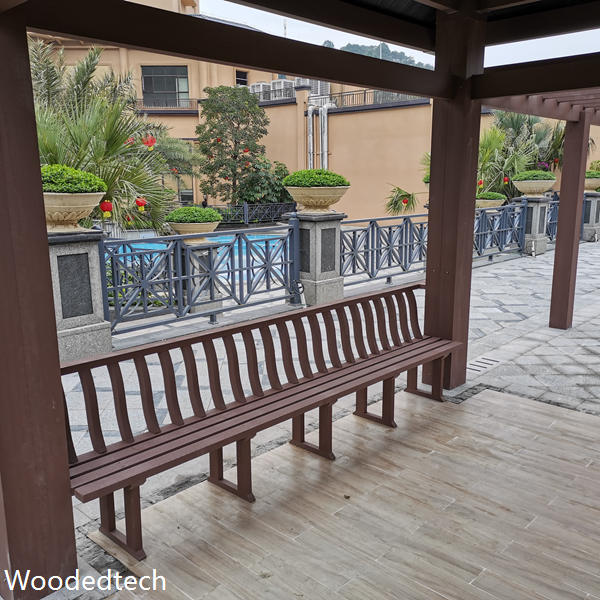
Kompozit Polimer Ahşap için Sabitleme Yöntemleri
Gazebo kompozit polimer ahşap döşeme veya kaplamanın güvence altına alınması söz konusu olduğunda, birkaç sabitleme yöntemi mevcuttur.En popüler yaklaşım, temiz ve kesintisiz bir yüzey sunan gizli bağlantı elemanlarının kullanılmasıdır.Bu bağlantı elemanları, tahtaların oluklarına kurulun, akabın estetiği bozan görünür vidalar olmadan genişlemesini ve daralmasına izin verir.Bu yöntem, cilalı bir görünümün istediği dış mekan uygulamaları için özellikle faydalıdır.
Alternatif olarak, yüzey vidaları kullanılabilir, ancak bölünmeyi önlemek için delikler öncesi delik açmak için kritik öneme uygundur.Bu yöntemi kullanırken, kurulumun uzun ömürlülüğünü korumak için korozyona dayanıklı vidaları seçin.Seçilen sabitleme yöntemine bakılmaksızın, sıcaklık dalgalanmaları nedeniyle doğal hareketi karşılamak için, tipik olarak 5 ila 10 milimetre olan panlar arasında uygun genişleme boşlukları bırakın.
Kompozit Polimer Ahşap Kesme ve Şekillendirme
Kesme Gazebo kompozit polimer arabı, kurulum sırasında hassas bağlantı sağlamak için detaylara dikkatli bir şekilde dikkat etmeyi gerektirir.Temiz bir kesim elde etmek için uygun bir bıçakla donatılmış ince dişli bir testere veya dairesel bir testere kullanın.Kesin şekiller veya açılar için, bir yapboz daha uygun olabilir.Aşamadan kaçınmak için kesmek için her zaman iki kez ölçün ve bitişi tahtalarla uygun bir uyum sağlayın.
Kesişten sonra, yaralanma veya kıyafete neden olabilecek herhangi bir kaba parçayı çıkarmak için kenarları hafifçe zımparalamak tavsiye edilir.Bu son dokunuş sadece kurulumun güvenliğini arttırmakla kalmaz, aynı zamanda düzgün bir görünüm sağlar.Kendinizi enkanden korumak için kesme işlemi sırasında gözlükler ve bir toz maskesi de dahil olmak üzere uygun güvenlik donanımı giymek de çok önemlidir.
Uzun ömürlülük için bakım ipuçları
Gazebo kompozit polimer ahşap düşük bakımlı olacak şekilde tasarlanmış olsa da, görünümünü ve işlevselliğini korumak için bazı bakım bakımı gereklidir.Hafif bir deterjan ve ılık su ile düzenli temizlik kir ve enkazı giderir ve lekelenmeye yol açabilecek birikme önler.Daha sert lekeler veya kalıplar için, sirke ve su karışımı, malzemeye zarar vermeden yüzeyi etkili bir şekilde tedavi edebilir.
Kurulumun, özellikle aşırı hava olaylarından sonra herhangi bir aşınma veya hasar belirtisi için periyodik olarak denetler.Sorunları derhal ele almak, Gazebo kompozit polimer ahşabbının bütünlüğünü korumaya yardımcı olacaktır.Ek olarak, elementlere karşı direncini artırmak için birkaç yılda bir koruyucu bir sızdırmazlık maddesi uygulamayı düşünün, dış mekanınızın uzun yıllar boyunca güzel ve işlevsel kalmasını sağlayın.
Son Dokunuşlar ve Estetik Değerlendirmeler
Gazebo kompozit polimer ahşap kurulduktan sonra, dış mekan alanının genel atmosferini geliştirmek için estetik yönlerine odaklanın.Dış mekan mobilyaları, aydınlatma ve ekiciler gibi dekoratif elemanlar eklemek davetli bir alan yaratabilir.Kompozit amana tamamlayan renkleri ve stilleri seçin ve çardakın görsel çekiciliklerini artıran uyumlu bir tasarım sağlayın.
Gazeboya ağaçları, çalılar veya çiçek yatakları gibi peykaplama özelliklerini dahil etmek, yapıyı doğal çevrelerine daha da entegre edebilir.Bu ayrıntılara dikkat ederek, kurulum sadece işlevsel amacına hizmet etmekle kalmaz, aynı zamanda dış mekan manzaranızda çarpıcı bir odak noktası haline gelir.