Açık hava uygulamaları için Loggia ahşap kompozitin faydaları nelerdir
Loggia Wood Composite Avantajları
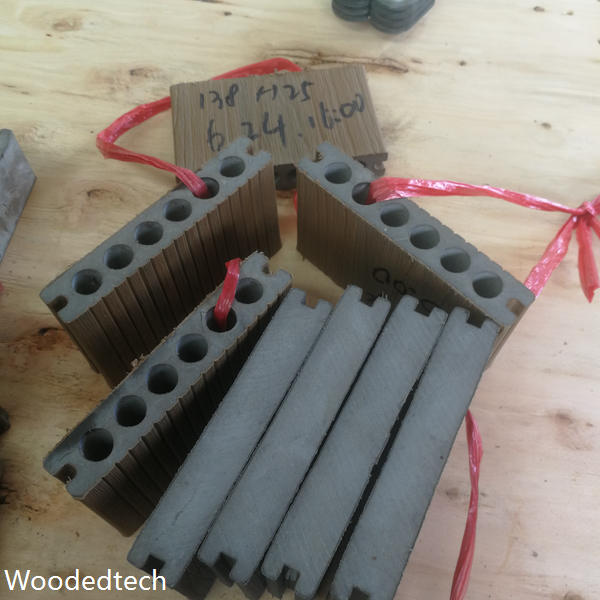
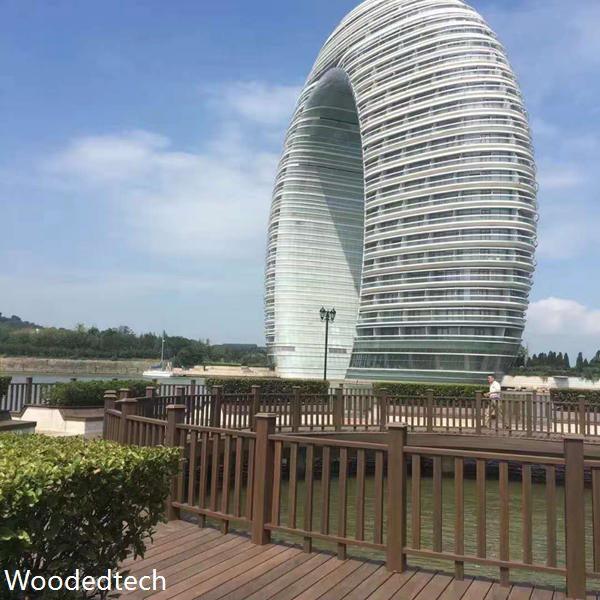
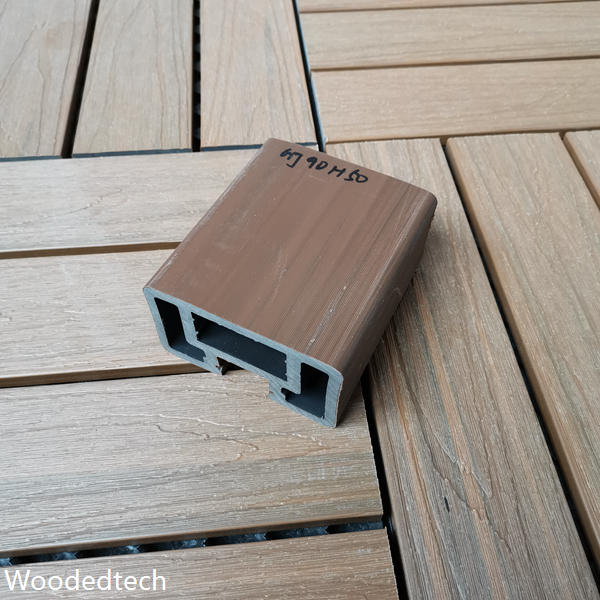
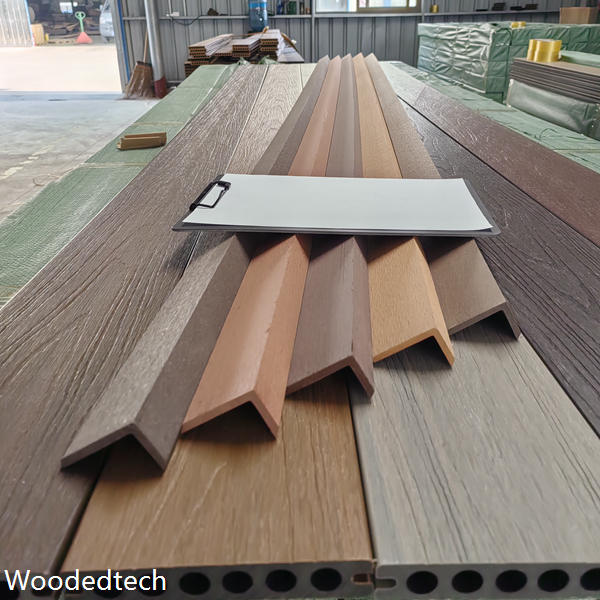
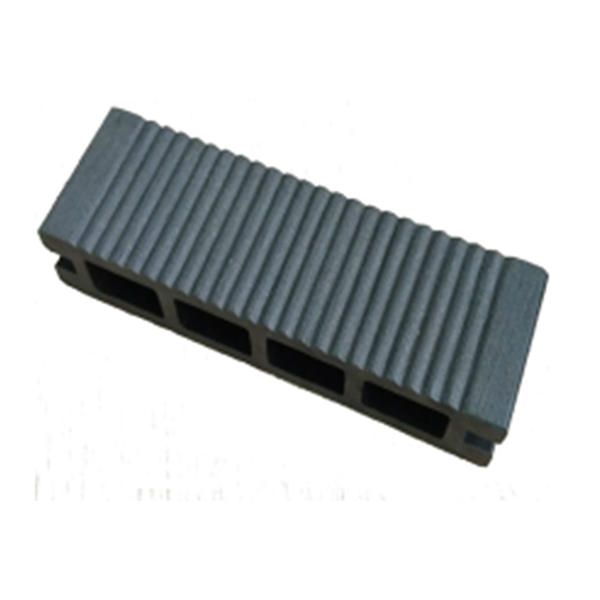
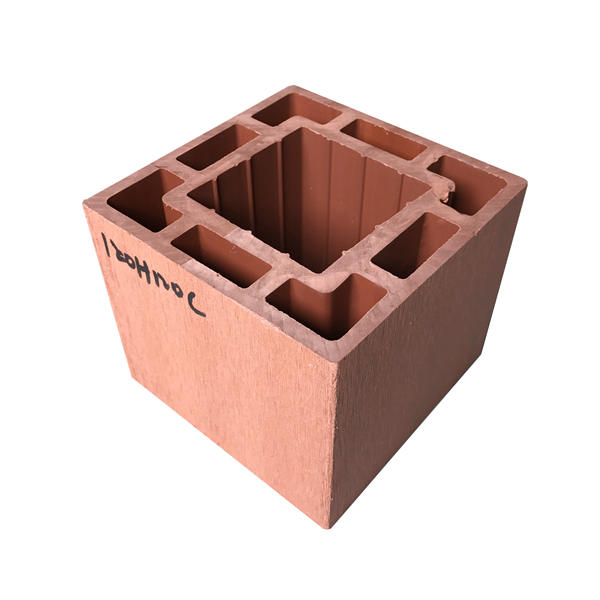
Loggia ahşap kompozit, özellikle de zemin kaplama, duvar kaplaması, eskrim ve pergola gibi ortamlarda dış mekan uygulamaları için sayısız avantaj sunar.Birinci basamak faydalarından biri, ahşap elyafların ve termoplastik malzemelerin eşsiz karışımından kaynaklanan olağanüstü dayanıklılığıdır.Bu formülasyon, Loggia ahşap kompozitin nem, UV maruziyeti ve sıcaklık dalgalanmaları dahil olmak üzere ortak dış mekan zorluklarına direnmeye olanak tanır.Kompozit, geleneksel ahşap gibi bükmeyi, kıymasının veya çürümesini sağlamamakta, yapıların zaman içinde estetik çekici ve yapısal bütünlüklerini korumalarını sağlar.
Bir diğer önemli avantaj ise Loggia ahşap kompozitin düşük bakım gereksinimidir.Genellikle düzenli lekeleme, sızdırmazlık veya boyama gerektiren doğal ahşaffın aksine, Loggia ürünleri sabun ve su ile kolayca temizlenebilir.Bu kolaylık, ahşapın görsel faydalarının tadını çıkarırken uzun vadeli bakım maliyetlerini azaltmayı amaçlayan ev sahipleri ve işletmeler için cazip bir seçimdir.
Yüksek Performanslı Kompozitleri Formülasyon
Yüksek performanslı açık ahşap plastik kompozitlerin tasarımı, ahşap elyaf içeriğinin ve plastik oranının dikkatli bir dengesine bağlıdır.Tipik olarak, ahşap liflerin daha yüksek bir yüzdesi, ürünün estetik niteliklerini ve doğal hislerini arttırır.Bununla birlikte, kompozitin uzun ömürlülüğünü ve işlevselliğini sağlamak için plastikle optimal bir dengeyi korumak çok önemlidir.Genel olarak, yüzde 50 ila 70 odun lifi ve yüzde 30 ila 50 plastik içeren formülasyonlar, hem güç hem de esneklik sunan en etkili sonuçları verir.
Temel bileşenlere ek olarak, çeşitli katkı maddelerinin dahil edilmesi Loggia ahşap kompozitin performansını önemli ölçüde artırabilir.Bunlar, solmaya karşı önlemek için UV stabilizasyonları, küf büyümesini engellemek için anti-fungal ajanlar ve estetik varyasyonlar için renk pigmentlerini içerebilir.Her katkı maddesi, malzemenin genel dengesini tehlikeye alamamak ve nihai ürünün belirli fonksiyonel ve estetik gereksinimleri karşıladığını garanti etmek için dikkatlice seçilmelidir.
WPC Formülasyonlarında Maliyet Kontrolü
Maliyet kontrolü Loggia ahşap kompozitlerin formülasyonunda hayati bir rol oynar.Daha doğal bir görünüm elde etmek için yüksek ahşap elyaf içeriği zorlamak cazip olsa da, uygun maliyetli ürünlere olan pazar talebi, genel üretim giderlerine odaklanmayı gerektirir.Bir yaklaşım, hammaddelerin tedarikinin sürdürülebilir ve yerel seçeneklerle optimize etmektir.Bu sadece ulaşım maliyetlerini azaltmakla kalmaz, aynı zamanda çevre bilincine duyarlı tüketicilere de hitap eder.
Geri dönüştürülmüş malzemeler kullanmak, maliyet kontrolü için bir başka etkili stratejidir.Tüketici sonrası plastiklerin dahil edilmesi, kompozitin bütünlüğünü korurken daha düşük bir maliyet tabanına katkıda bulunabilir.Bu yaklaşım, üreticilerin fiyatları aşırı şişirmeden sürdürülebilirlik ve performans için pazar taleplerini karşılayan bir ürün oluşturmalarını sağlar.
Ürün ömrünün arttırın
Ürün ömrü, açık hava uygulamaları için Loggia ahşap kompozitleri geliştirirken kritik bir husustur.Dayanıklılığa güç sağlamak için, formülasyonun çevresel stres faktörlerine karşı dayanıklı olmasını sağlamak önemlidir.Bu, kompozitin sert hava, nem ve fiziksel aşınmaya maruz kalma da dahil olmak üzere dış mekan kullanımının zorluklarına dayanmasını sağlamak için çeşitli koşullar altında titiz bir test gerektirir.
Ek olarak, termal genişleme ve daralma potansiyelinin kapsamlı bir şekilde anlaşılması gereklidir.Kompozisyon, yapısal bütünlükden ödün vermeden bir miktar esnekliğe izin verecek şekilde formüle edilmelidir.Bu denge, sıcaklık dalgalanmaları sırasında çatlama veya deformasyonu önlemeye yardımcı olacak ve böylece ürünün kullanılabilir ömrünü uzatacaktır.
Açık tasarımdaki uygulamalar
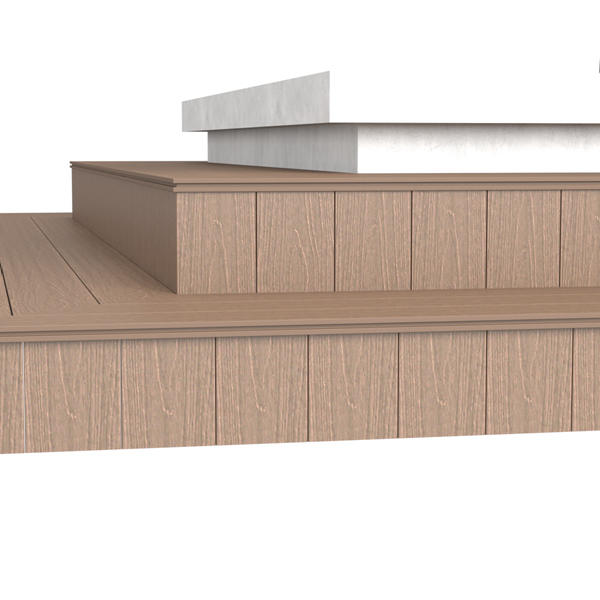
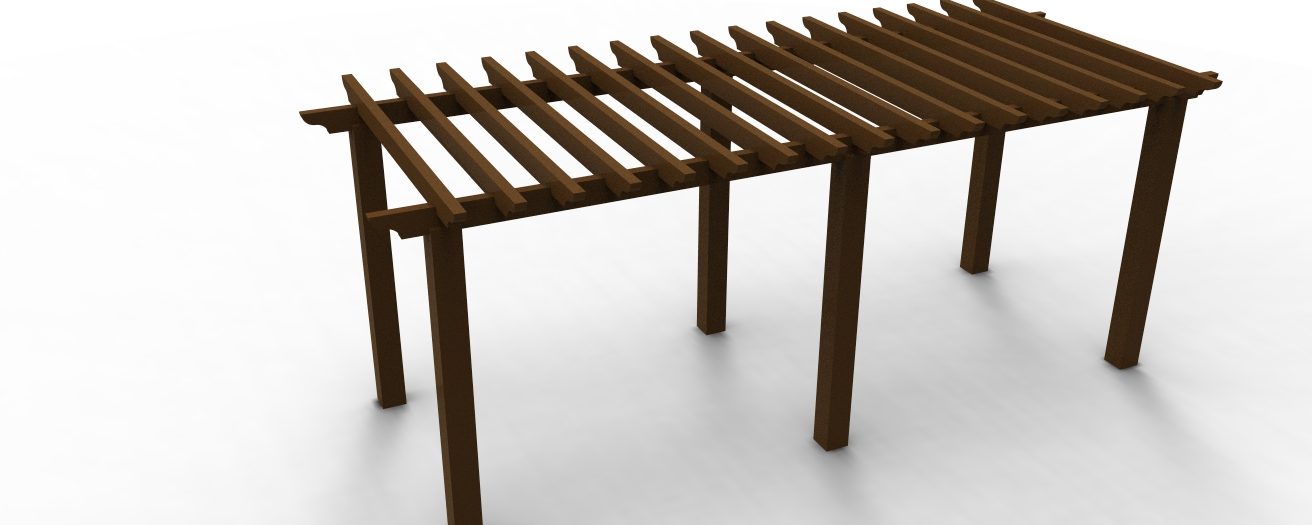
Loggia ahşap kompozit, yenilikçi decking çözümlerinden şık eskrim ve duvar kaplamalarına kadar dış mekan tasarımında çok yönlü uygulamalar bulur.Kompozisyonun estetik çok yönlülüğü, dış ortamlar için gerekli dayanıklılığı sunarken farklı tasarım tercihlerine hitap ederek çeşitli kaplamalara izin verir.Ticari kurulumlar veya konut pelayeti için olsun, Loggia ahşap kompoziti çeşitli ihtiyaçları etkili bir şekilde karşılayabilir.
Dahası, bir formülasyon geliştirme mühendisi olarak, açık havada yaşamdaki eğilimlerin önünde kalmak, gelişen pazar taleplerini karşıladan benzersiz ürünlerin yaratılmasına yol açabilir.Akıllı teknolojiyi entegre etmek veya yeni dokular geliştirmek gibi yenilikler, Loggia ahşap kompozitin dış mekandaki çekiciliğini daha da genişletebilir.