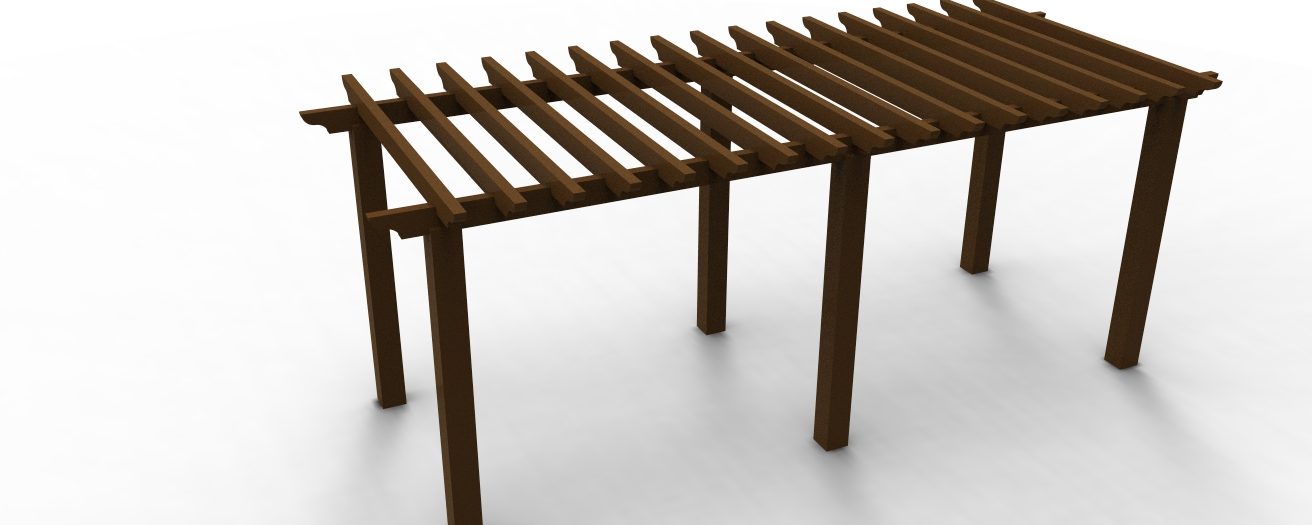
gölgelik kompozit ahşap plastik termal genleşme kurulumları nasıl etkiler
Kurulum için Subframe Hazırlamak
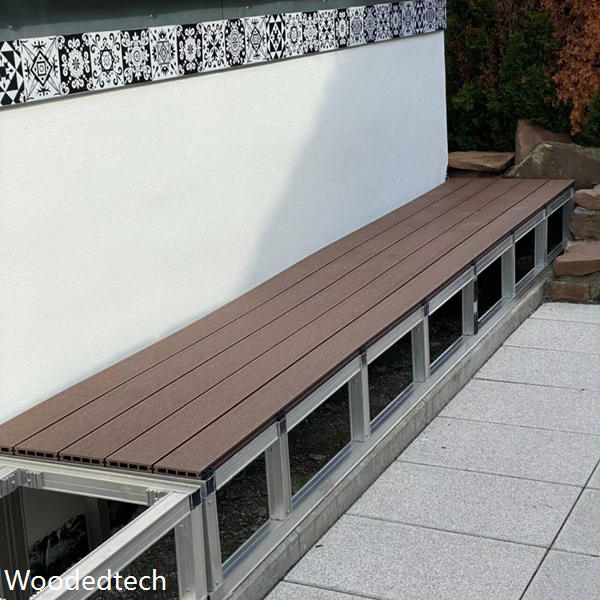
Decking ve duvar kaplama sistemleri gibi gölgelik kompozit ahşap plastik ürünlerin kurulumuna başlamadan önce, katı bir alt çerçeve hazırlamak esastır.Alt çerçeve, kompozit levhaların temeli olarak hareket eder ve stabilite ve dayanıklılığı sağlar.Herhangi bir enkanın, bitki örtüsü veya engelin kurulum alanını temizleyerek başlayın.Zemin seviye olmalıdır; düzensizse, düz bir yüzey oluşturmak için sıkıştırılabilir bir baz malzeme kullanmayı düşünün.Alt çerçeve malzemesi seçimi önemlidir.Basınçlı ahşap veya galvanizli metal, nemi direne ve ısı altında genişleyen popüler seçeneklerden arındırılmışlardır.
Alan hazırlandıktan sonra, zemin kaplamanızın veya kaplamanızın düzenine göre özetle.Joists'in nereye yerleştirilecek olduğunu işaretlemek için mızroz çizgileri kullanın.Joists, doğru destek sağlamak ve termal genleşmeyi karşılamak için üreticinin tavsiyelerine göre, tipik olarak yaklaşık 40 cm arayla yerleştirilmiş olmalıdır.Joists'i vidalar veya braketlerle düzgün bir şekilde güvence altına almak kompozit malzeme için güçlü bir taban sağlayacaktır.
Kompozit Tahatlar için Sabitleme Yöntemleri
gölgelik kompozit ahşap plastik levhaların sabitlemesi söz konusu olduğunda, birkaç seçeneğiniz vardır.En yaygın iki yöntem gizli bağlantı elemanları veya yüzey vidaları kullanıyor.Gizli bağlantı elemanları temiz bir görünüm sağlar ve yüzeyin estetik bütünlüğünü korumaya yardımcı olurlar.Kompozit malzemelerin termal genişleme özellikleri göz önüne alındığında çok önemli olan hafif harekete izin verir.Bağlantı elemanlarının ürün özelliklerine göre monte edildiğinden emin olun ve genişlemeyi karşılamak için yeterli alana izin verin.
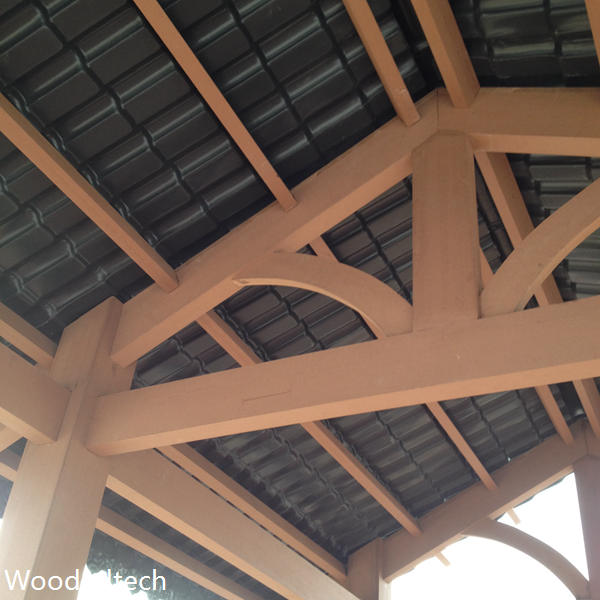
Yüzey vidalarını tercih ediyorsanız, zaman içinde paslanmaya ve bozulmayı önlemek için paslanmaz çelik veya diğer korozyona dayanıklı vidaları seçin.Vidaların düz bir deyişle, doğal genişleme ve daralmaya izin vermek için aşırı sıkı olmadığından emin olun.Her iki yöntem de aralıklara dikkat etmeyi gerektirir ve sıcaklık değişimlerinin neden olduğu genişlemeyi kolaylaştırmak için panlar arasında yeterli boşluk olduğundan emin olun.
Genişletilmiş boşlukların önemi
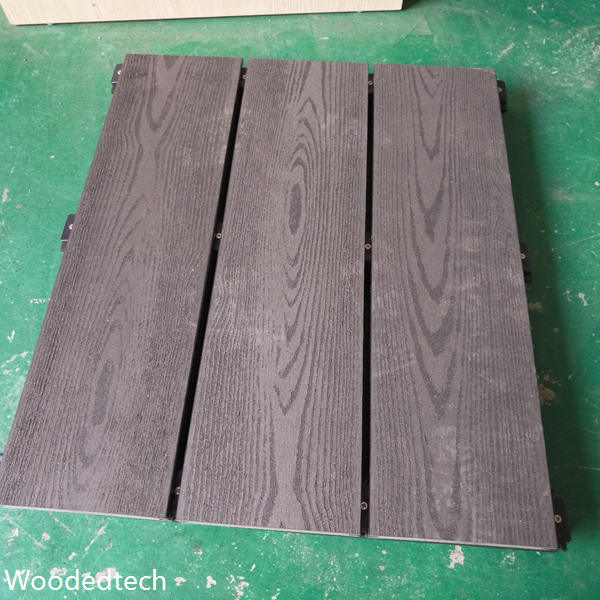
Kanopi kompozit ahşap plastik malzemeler işlevselliği ile bilinir, ancak kurulum sırasında termal genleşme dikkatli bir şekilde yönetilmelidir.Tahallar arasında ve kurulum alanının çevresi arasında yeterli genişleme boşlukları bırakmak hayati önem taşır.Tipik olarak, harekete izin vermek için yaklaşık 5-10 mm'lik bir boşluk önerilir.Bu, ısınma dalgalanmalarından kaynaklanabilir olan büküm, büküm veya diğer deformasyon biçimlerini önleyecektir.
Tahtalar arasındaki boşluklara ek olarak, güvertenin kenarlarında veya duvar kaplamasında yeterli alan olduğundan emin olarak.Bu, özellikle doğrudan güneş ışığı yaşayan alanlarda önemlidir ve bu da malzemelerin önemli ölçüde genişlemesine neden olabilir.Bu önlemleri almak, kurulu ürünün uzun ömürlülüğünü ve performansının sağlanmasına yardımcı olur.
Kompozit Malzemeler için Kesme Teknikleri
Kesim gölgelik kompozit ahşap plastik levhalar yapısal bütünlüklerini korumak için hassasiyetle yapılmalıdır.Temiz kesimler için ince dişli bir testere kullanın ve herhangi bir kesinti yapmadan önce doğru bir şekilde ölçtünüz.Ölçümlerinizdeki genişleme boşluğuna her zaman izin verin.Kesmek, malzemeye çok fazla baskı yapmaktan kaçının; Bu, kurulum kalitesini etkileyebilebilecek parçalama veya düzensiz kenarlara yol açabilir.
Kesiştirdikten sonra, kıymaları önlemek için herhangi bir pürüklü kenarları kumla.Bu sadece güvenli ve görsel olarak çekici bir bitişe katkıda bulunmakla kalmaz, aynı zamanda panorların performansını korumaya da yardımcı olur.Eşit bir kesim, tahtaların uygun boşluklarla sıkıca oturmalarını ve güvenli olmalarını sağlayacaktır.
Uzun ömürlülük için bakım ipuçları
<p Canopy kompozit ahşap plastik malzemelerin bakımı nispeten basittir, ancak düzenli bakım ömrünü önemli ölçüde uzatabilir.Kir ve kiri çıkarmak için hafif bir sabun çözeltisi ile yüzeyi düzenli olarak temizleyin.Kompozit malzemeye zarar verebilecek sert kimyasallardan kaçının.Daha derin temizlik için, düşük bir ayardaki bir güç yıkayıcı, inatçı lekeleri gidermek için etkili bir araç olabilir.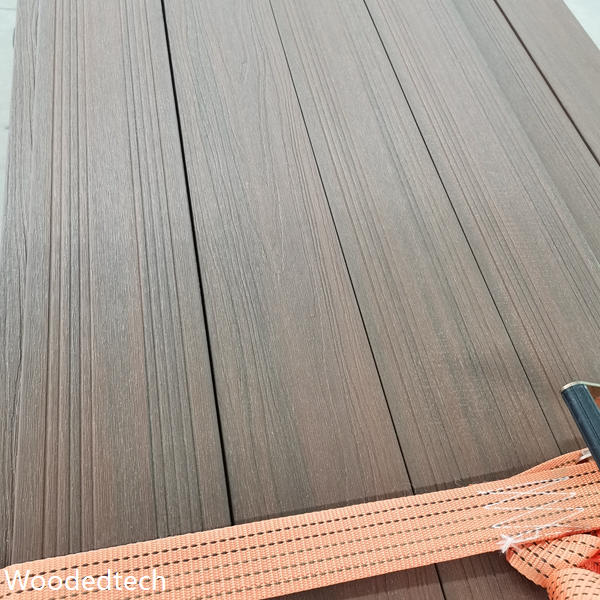
Herhangi bir aşınma veya hasar belirtisi için kurulumu periyodik olarak denetleyin.Genleşme boşluklarına çok dikkat edin; enkaz birikimi nedeniyle kapanmaya başlarlarsa, uygun termal harekete izin vermek için buna göre temizleyin.Bu bakım uygulamalarına bağlı kalarak, kompozit ahşap plastik kurulumunuzun bütünlüğü ve görünümü uzun yıllar boyunca bozulmadan kalacaktır.