Peyzi Tasarımında Açık WPC Panel Fiyatı Ve Malzeme Seçimi
Designing for the Whole Outdoor Setting
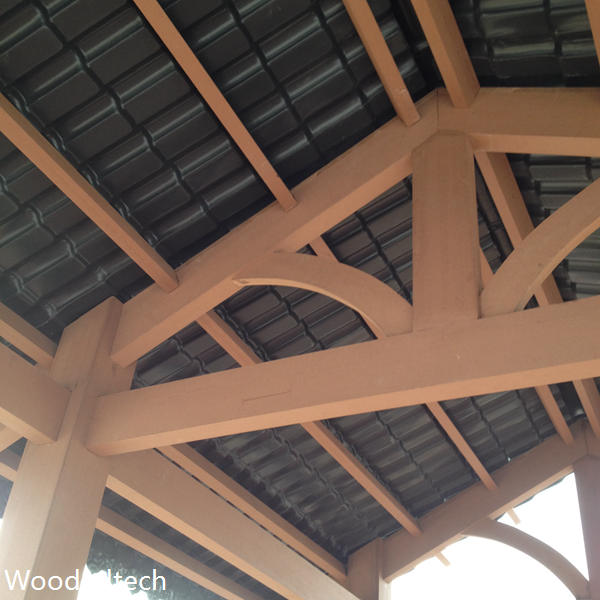
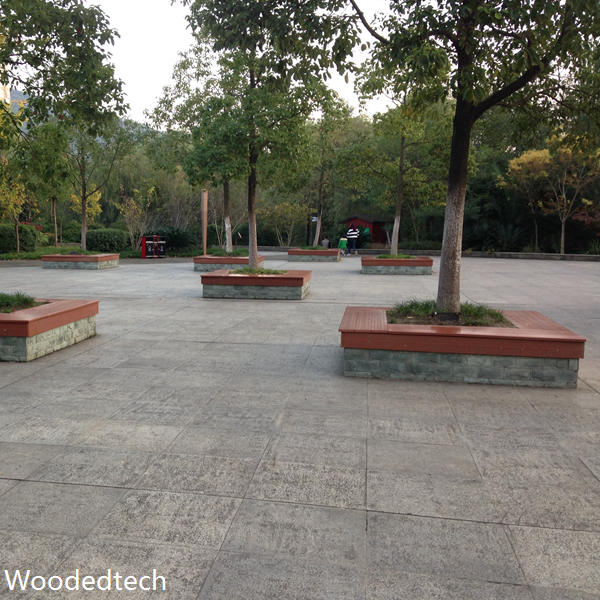
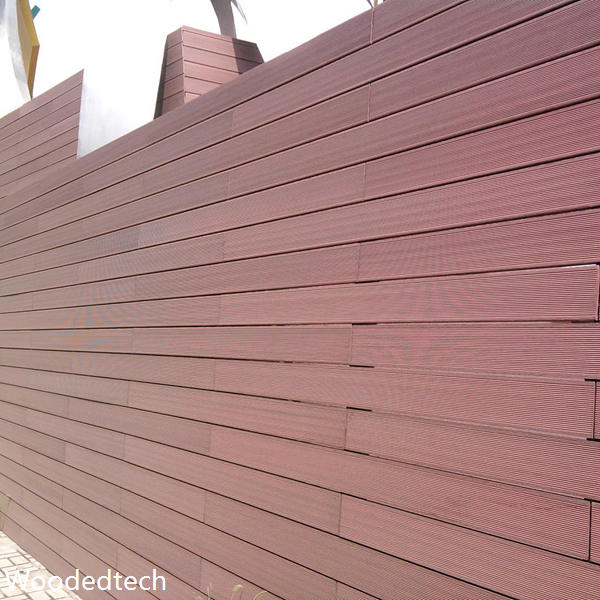
Landscape projects rarely use panels in isolation. A terrace may need screening beside a seating area, cladding around planters and a consistent finish along a service enclosure. Outdoor wood plastic composite, or WPC, gives architects a way to connect those elements visually without specifying timber for every exposed surface. Its value lies in reducing routine painting and staining, particularly where maintenance teams have limited access or several sites to manage.
Selection still begins with the setting. A sheltered courtyard, a coastal promenade and a public garden expose panels to different combinations of moisture, sunlight, salt and contact damage. Designers should record orientation, expected footfall, irrigation patterns and cleaning access before choosing a profile. For a screen near planting, the detail must allow leaves and soil to be cleared from the base. Attractive samples cannot compensate for a layout that traps water behind the installation.
What Shapes Outdoor WPC Panel Price
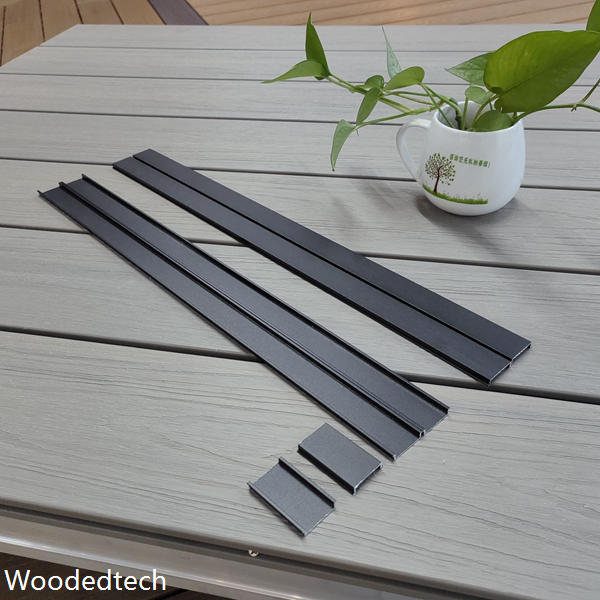
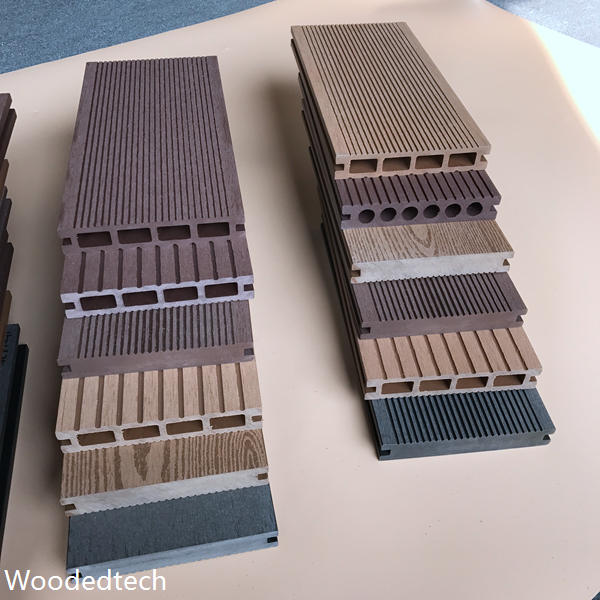
Outdoor wpc panel price is useful for an initial budget, but a price per square metre does not describe the installed cost. Board thickness, profile geometry, surface treatment, colour, order volume and material formulation all affect the quotation. Hollow profiles may reduce material use, while solid profiles can suit locations where exposed edges or repeated impact demand a different construction. Neither should be selected by weight alone; span requirements and the supplier’s installation guidance matter more.
Ask suppliers to quote a defined specification, including usable coverage rather than nominal board width. Trims, clips, support rails, corner details, freight and allowances for cutting can change the comparison substantially. For overseas projects, confirm packaging dimensions and protection for long lengths, as transport damage can consume an apparent saving. A fair comparison also includes replacement availability: a proprietary colour or fixing system may prove expensive to match several years after completion.
Matching Performance to Exposure
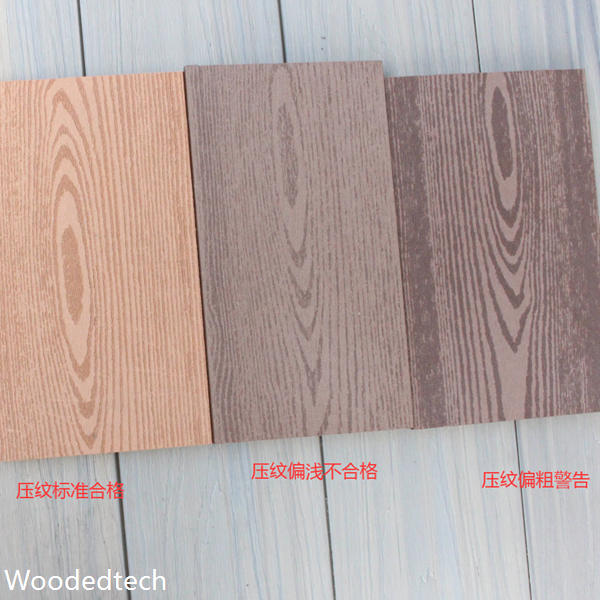
WPC formulations and finishes vary, so designers should request test information relevant to the proposed use. Dimensional change under heat and moisture is especially important on long, sunlit elevations. Darker colours can become noticeably hot in direct sun and may show movement more clearly. Where panels sit beside paving, water features or dining areas, check the manufacturer’s evidence on staining, surface cleaning and colour change rather than relying on a generic claim of weather resistance.
Public landscapes introduce further requirements. Impact resistance matters around bicycle parking and maintenance routes; fire classification may affect cladding close to buildings; and local slip requirements apply if the specification extends to decking. Product data should identify the tested assembly and method, since a result for one profile or fixing arrangement may not transfer to another. A small project mock-up is valuable where appearance is critical, allowing the team to assess colour in daylight, joint spacing and the visibility of fixings.
Details That Protect the Design
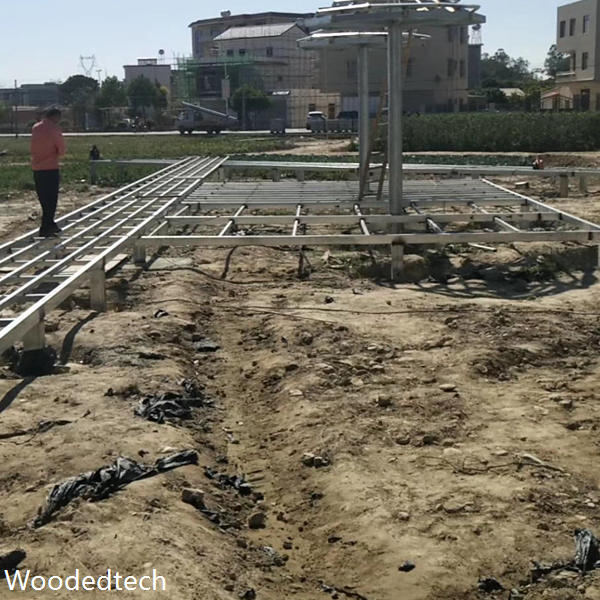
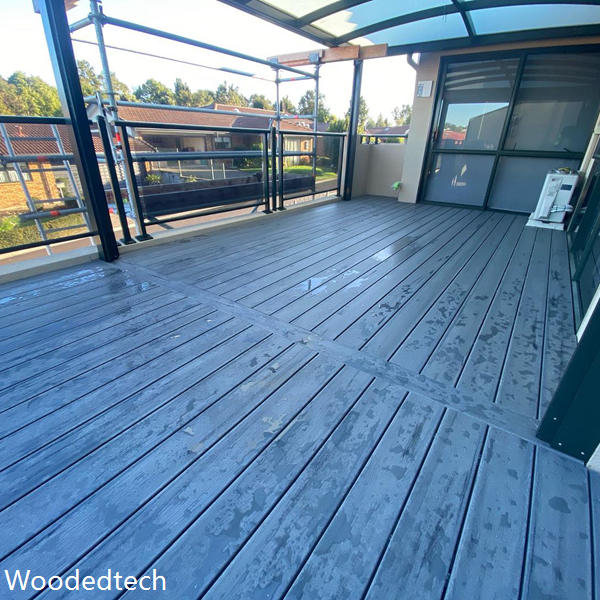
Successful installations give panels room to move. The fixing layout should follow the supplier’s limits for support spacing, edge distances and expansion gaps, with additional attention at corners and changes of direction. Behind vertical cladding, a ventilated cavity and a clear drainage route help moisture escape. Where a fence or screen carries wind load, the posts and structural frame must be designed for that load; decorative WPC panels should not be assumed to provide structural capacity.
Maintenance needs to be designed in as well. Ground clearance reduces prolonged contact with wet soil, while accessible fixings make it easier to replace a damaged length without dismantling an entire run. Agree a cleaning method before handover, including how to remove algae in shaded areas without damaging the finish. These modest details are often more important to the finished landscape than a minor difference in the initial panel price.
Specifying for Service Life and Replacement
For architects and landscape designers, the strongest specification links visual intent to measurable requirements. Record the approved profile, colour reference, fixing system, support arrangement and acceptable tolerances on drawings and schedules. Request production samples from the intended batch where colour consistency matters across a large site. If a project uses panels beside timber, stone or metal, inspect the junctions at full scale: different weathering patterns can alter the appearance of a carefully coordinated palette.
Procurement should also consider the years after opening. Confirm warranty exclusions, spare stock arrangements and whether replacement boards can be supplied in compatible lengths and finishes. WPC can reduce recurring finish maintenance, but it does not remove the need for inspection, cleaning or sound installation. Choosing on documented performance, sensible detailing and total installed cost gives the client a landscape that remains practical to maintain as well as convincing on the day it opens.