Почему выбирают композитный пластиковый деревянный бессильный весть для открытых жил
Преимущества композитных пластиковых деревянных веществ
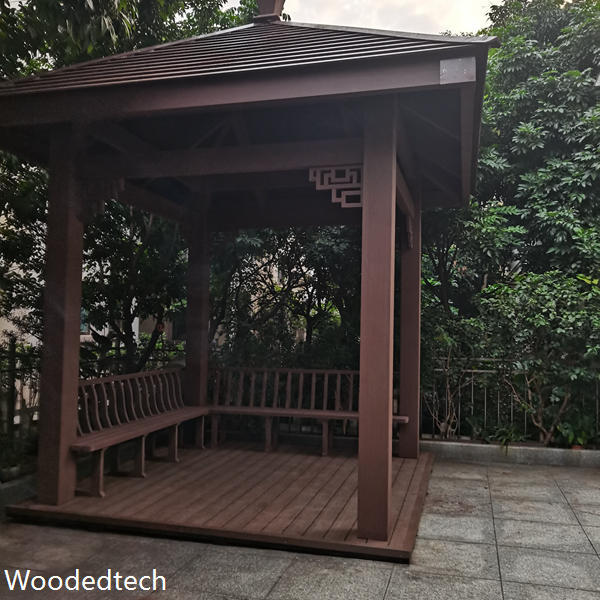
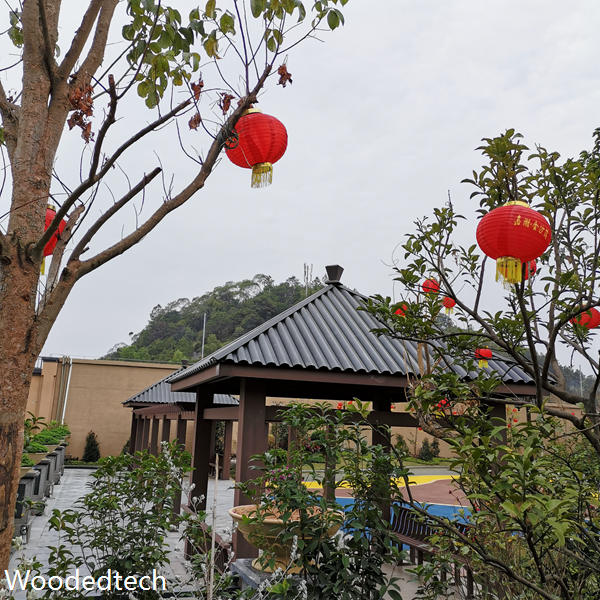
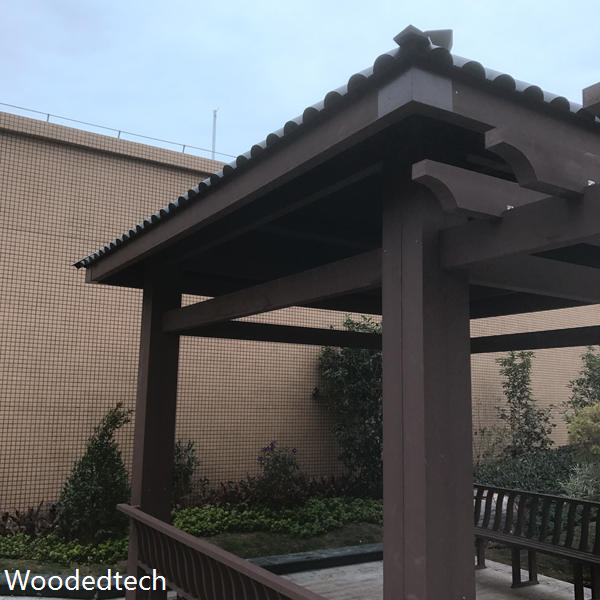
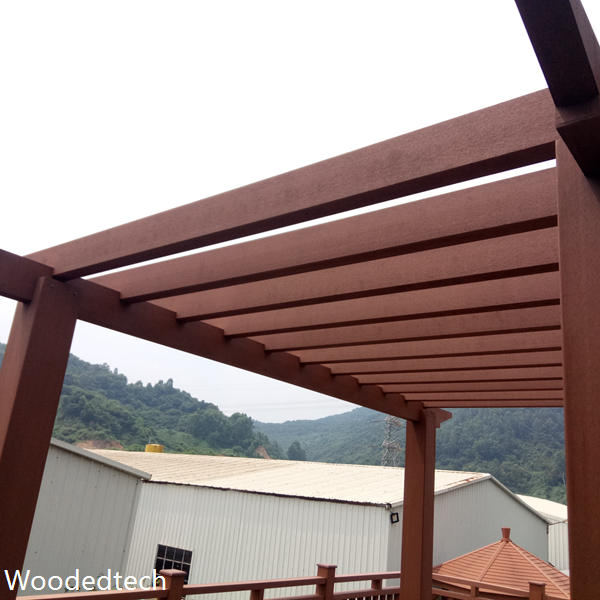
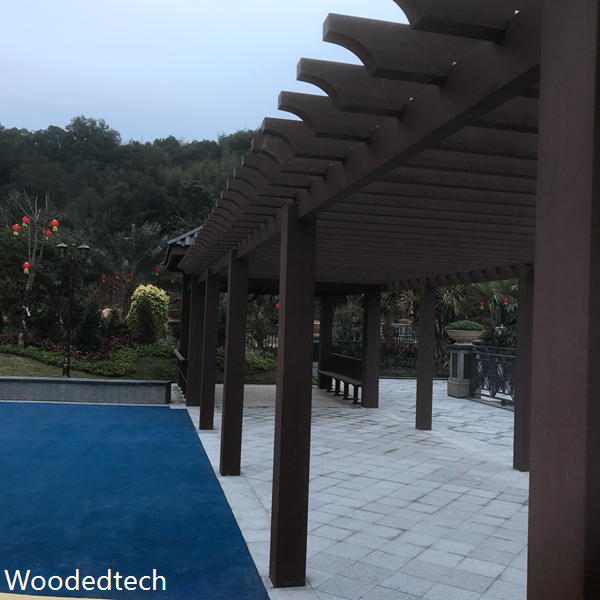
Композитные пластиковые деревянные бессистики предлагают уникальное сочетание эстетической привлекательности и долговечности, что делает их идеальным выбором для открытых жилых помещений.Смеси древесных волокон и пластика не только усиливает внешний вид этих структур, но и обеспечивает значительную устойчивость к погодным условиям, вредителям и распаду.В отличие от традиционной древесины, которая может деформироваться или гнить с течением времени, композитные материалы сохраняют свою целостность и внешний вид, гарантируя, что ваша гейзебо остается поразительной особенностью в вашем ландшафте год за годом.
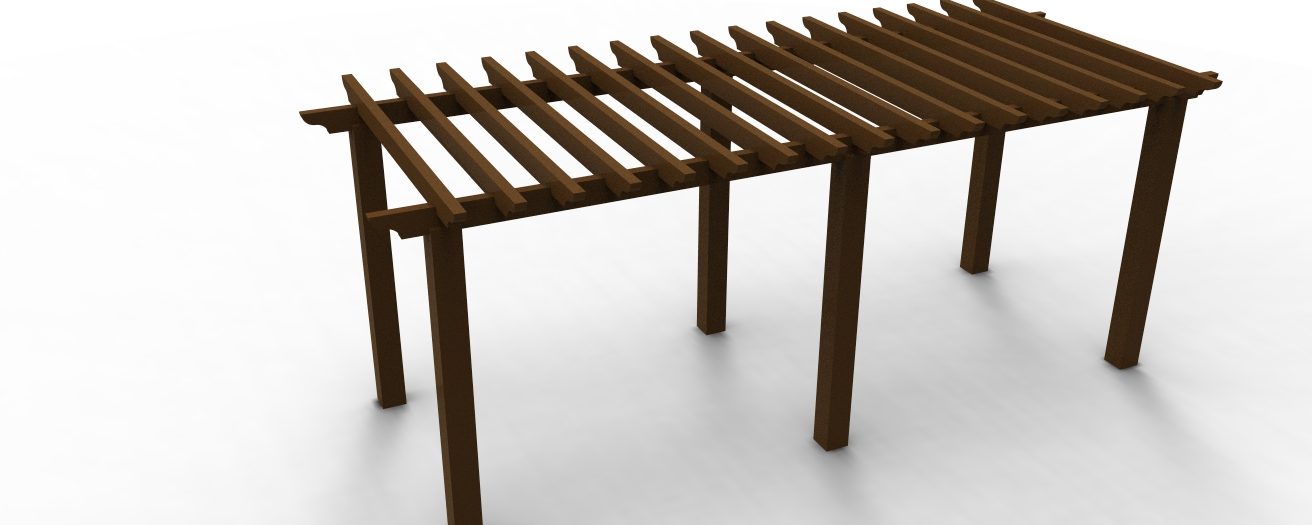
Универсальность композиционных материалов позволяет использовать широкий спектр возможностей проектирования, вмещая различные архитектурные стили и личные предпочтения.Домовладельцы могут наслаждаться традиционным очарованием дерева с дополнительными преимуществами современных технологий, создавая открытое пространство, которое является одновременно привлекательным и низким уровнем обслуживания.
Соображения дизайна для высокопроизводительных формул
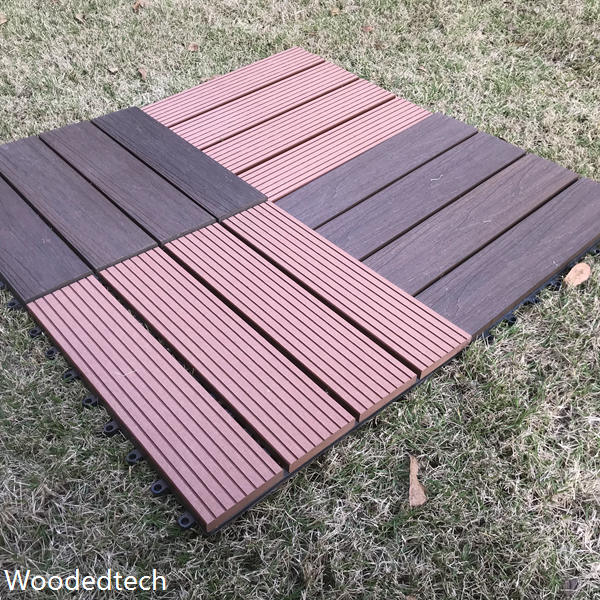
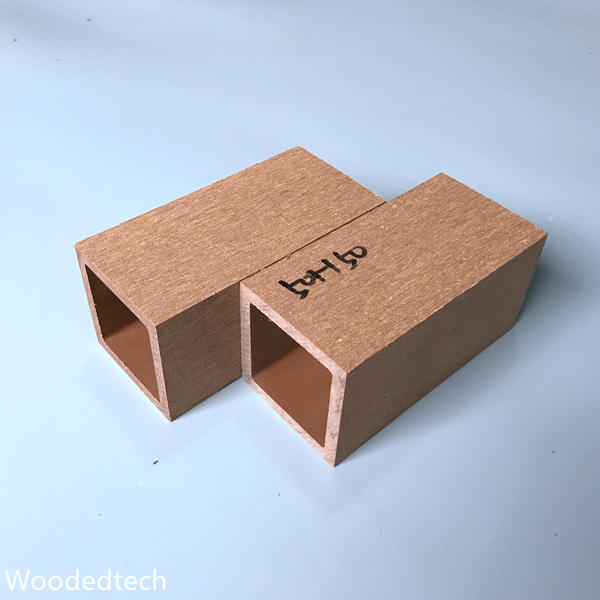
Как инженер по разработке рецептуры WPC, ключ к созданию высокопроизводительных наружных продуктов заключается в тщательном балансе содержания древесного волокна и соотношения пластика.Эти композиты обычно состоят из 50-70-процентных древесных волокон, а остальные - пластиковые.Конкретные соотношения могут сильно влиять на механические свойства, такие как прочность и гибкость, а также долговечность и долговечность.
При формулировке композитной пластиковой древесной газебо включение добавок имеет решающее значение.Ультрафиолетовые стабилизаторы, противогрибковые агенты и красители могут повысить долговечность и визуальную привлекательность конечного продукта.Контроль над расходами также должен быть рассмотрен; в то время как премиальные добавки могут улучшить производительность, они могут значительно увеличить общие производственные затраты.Разработка формулы, которая уравновешивает качество и экономичность, имеет важное значение для поддержания конкурентного преимущества на рынке.
Влияние качества древесного волокна
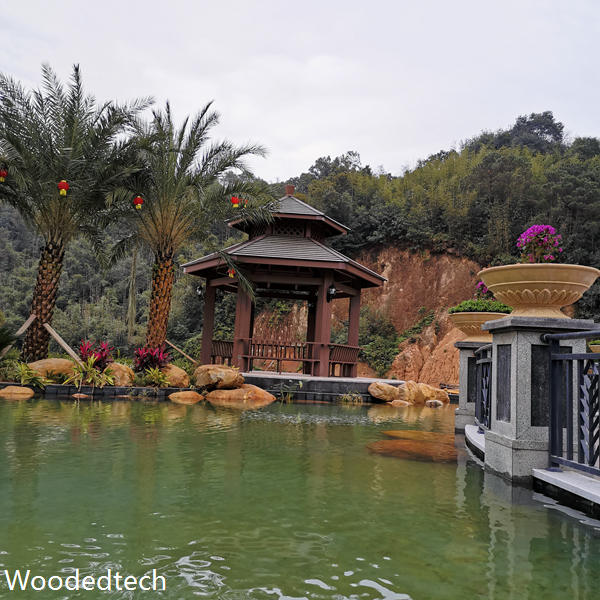
Качество деревянных волокон, интегрированных в состав, значительно влияет на производительность конечного продукта.Поиск высококачественных, последовательных древесных волокон гарантирует, что композит поддерживает равномерную плотность и снижает вероятность дефектов, таких как расселение.Выбор видов древесины также может повлиять на эстетические свойства, поскольку различные виды обеспечивают различные узоры и цвета зерна, которые могут повысить визуальную привлекательность бебеседки.
Кроме того, включение переработанных древесных волокон может не только снизить затраты, но и способствовать устойчивому развитию, что соответствует растущему спросу потребителей на экологически чистые строительные материалы.Этот подход не только перерабатывает существующие материалы, но и способствует сокращению углеродного следа, связанного с традиционной заготовкой древесины.
Балансовые дополнение для оптимальной производительности
Роль добавок в композитных составах невозможно переоценить.Хотя они значительно улучшают долговечность и производительность продуктов, жизненно важно найти баланс, чтобы избежать ущерба характеристикам материала.Например, чрезмерное количество УФ-стабилизаторов может привести к хрупкости с течением времени, в то время как недостаточное количество может привести к обескураживанию и сокращению продолжительности жизни.
Оценка правильной смеси добавок требует обширного тестирования и анализа.Внедрение средств обработки может улучшить свойства потока композита во время производства, что позволяет улучшить наполнение формы и отделку поверхности, что особенно важно для беседок, которые часто видны и должны соответствовать эстетическим стандартам.
Контроль затрат и срок службы продукта
Контроль затрат является критическим аспектом разработки продукта, особенно в конкурентном ландшафте решений для наружной жизни.Оптимизируя процесс разработки и используя экономически эффективные материалы, не жертвуя качеством, может быть достигнут баланс, который обеспечивает прибыльность, оправдывая ожидания потребителей.Это предполагает не только подбор сырья, но и эффективность производственного процесса.
В конечном счете, хорошо сбалансированная композитная пластиковая древесная газебо может предложить расширенный срок службы, сводя к минимуму необходимость замены и ремонта, что привлекает потребителей, заботящихся о затратах.Длительность этих продуктов в сочетании с их низкими требованиями к обслуживанию делает их привлекательными инвестициями для домовладельцев, стремящихся улучшить свои открытые пространства.
Рыночный спрос на устойчивые решения
Устойчивость становится все более важной для потребителей, спрос на экологически чистые строительные продукты растет.Композитные пластиковые деревянные блинчики идеально согласуются с этой тенденцией, поскольку они сделаны из переработанных материалов и могут похвастаться более длительной продолжительностью жизни, уменьшая потребность в частых заменах.Этот фактор устойчивости не только обращается к экологически сознательным потребителям, но и позиционирует производителей к получению конкурентного преимущества на рынке.Постоянно внедряя инновации и совершенствуя формулы WPC для удовлетворения этих развивающихся требований, производители могут гарантировать, что их композитные пластиковые древесные вещности выделяются как премиальные предложения в сегменте наружной жизни, что в конечном итоге приведет к увеличению продаж и удовлетворенности клиентов.