Quais são as possibilidades de design de êrgula de madeira plástica composta para jardins
Possibilidades de design de pérgula de madeira de plástico composto
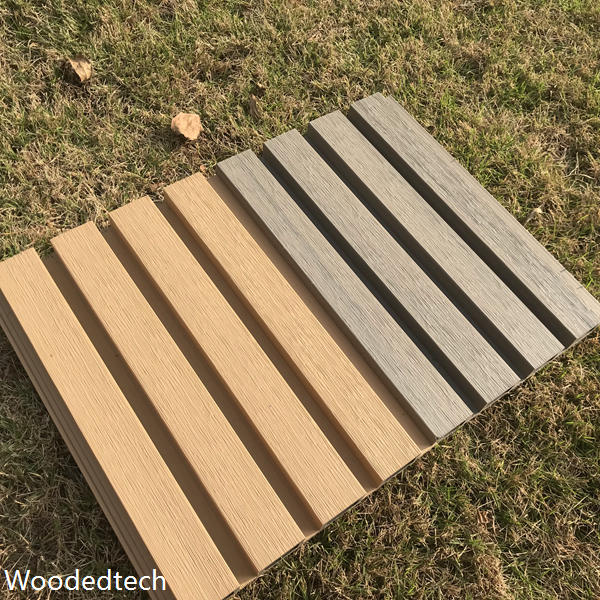
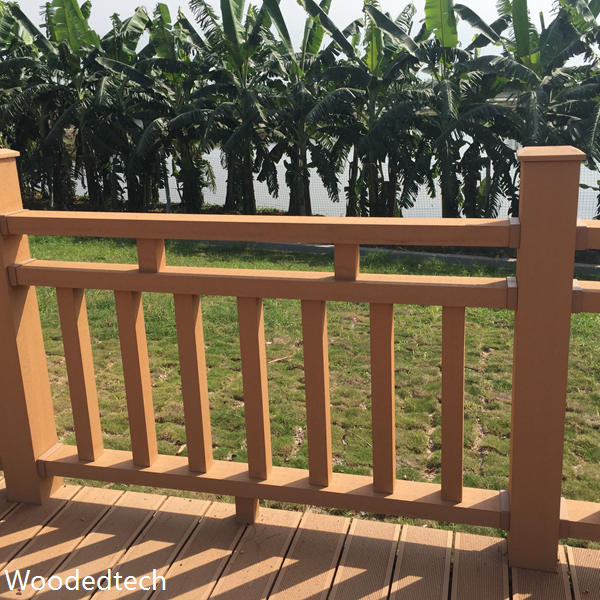
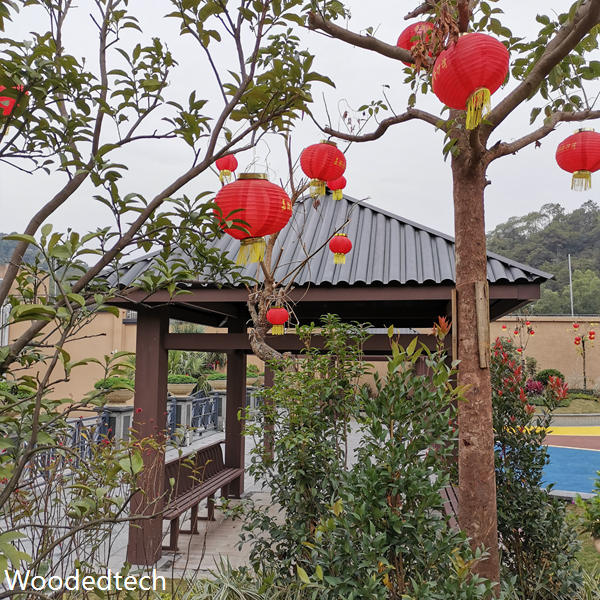
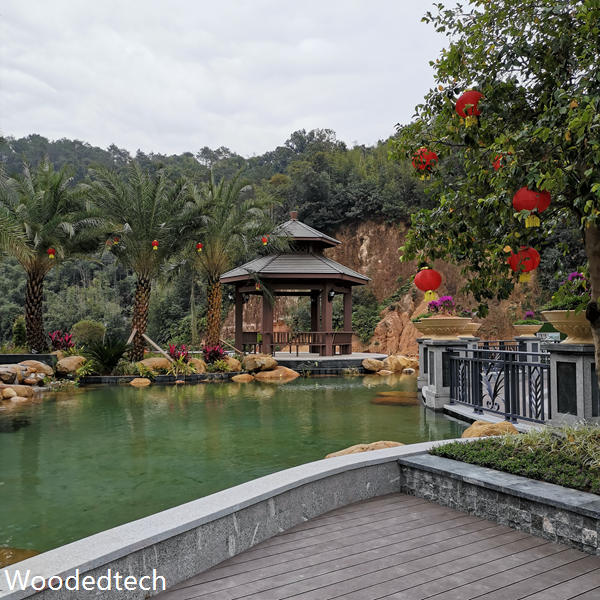
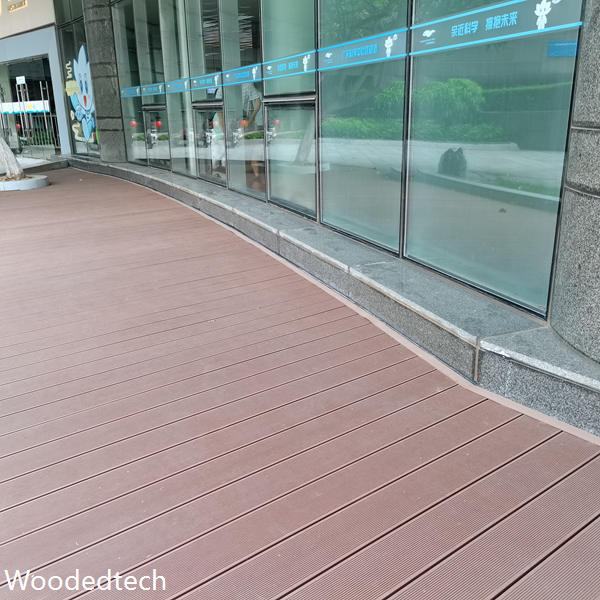
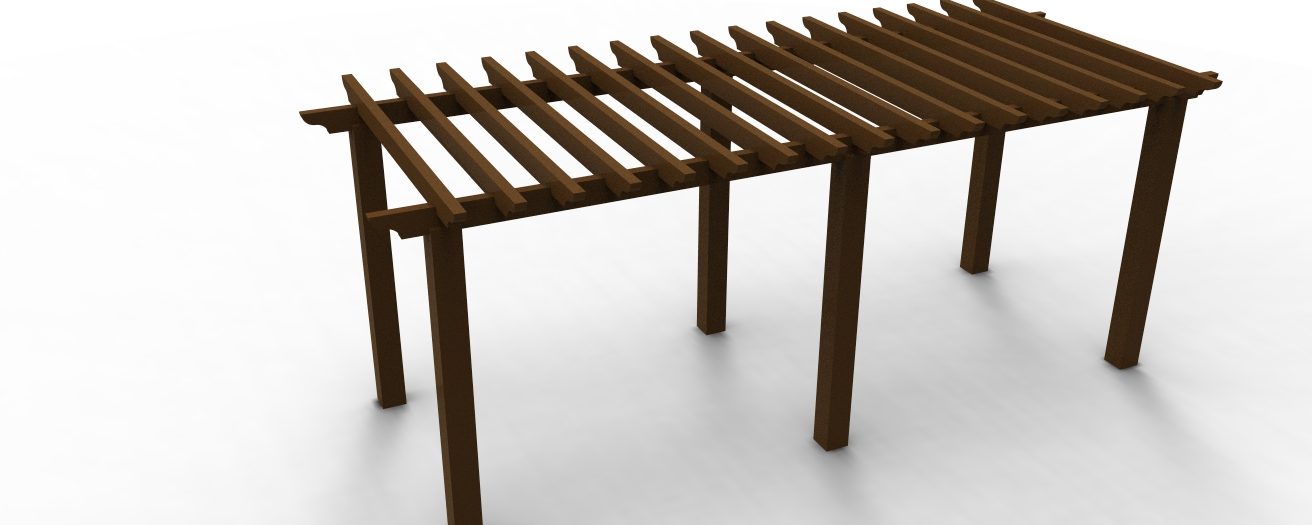
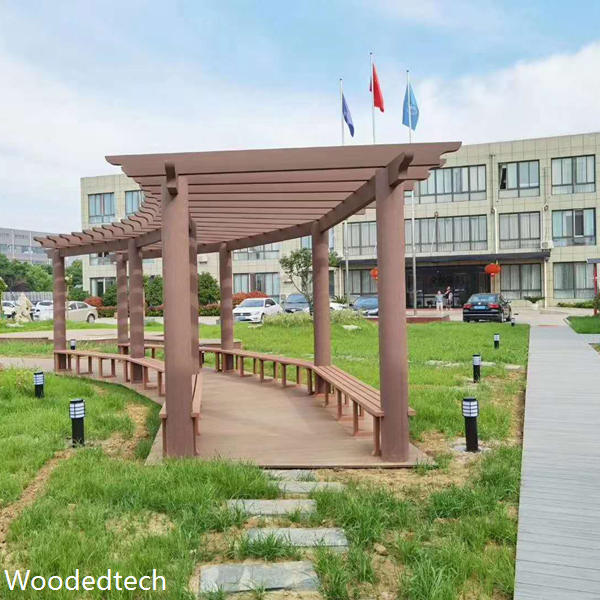
Criar um jardim pitoresco geralmente envolve a integração de estruturas elegantes que aprimoram a estética e a funcionalidade.Uma dessas estruturas é a plágola, que pode ser lindamente trabalhada usando madeira plástica composta.Este material não só fornece uma aparência atraente, mas também adiciona durabilidade e baixa manutenção ao design.A versatilidade da madeira plástica composta permite uma variedade de possibilidades de design, permitindo que os proprietários selecionem estilos que melhor complementem a atmosfera de seu jardim.De arcos tradicionais a designs angulares modernos, as opções são quase ilimitadas.
Ao considerar a instalação de uma pergola de madeira plástica composta, existem vários elementos de design para levar em conta.O tamanho e a escala devem se encaixar harmoniosamente dentro do espaço do jardim, permitindo um movimento confortável sob ele.Além disso, a integração de recursos como plantas de escalada ou copas retráteis pode melhorar a funcionalidade da pergola enquanto adiciona uma camada extra de charme.
Preparando o Subframe para Instalação
Antes de iniciar a instalação de uma prégola de madeira plástica composta, é essencial preparar o subquadro meticulosamente.A fundação deve ser estável e nivelada, pois isso garantirá que a estrutura permaneça segura ao longo do tempo.Marque a área onde a prégola será instalada, tomando cuidado para medir com precisão para manter o espaçamento uniforme.Cavar buracos para os postes é muitas vezes o primeiro passo; estes devem ser profundos o suficiente para proporcionar estabilidade e evitar qualquer mudança ou inclinação.
Uma vez que os buracos estejam prontos, misture concreto para proteger os postes no lugar.Permitir que o concreto cure de acordo com as instruções do fabricante.Esta fase de preparação é crítica, pois um subquadro sólido suportará toda a pergola de forma eficaz e resistirá a forças externas, como vento e chuvas.
Métodos de fixação para madeira plástica composta
Depois de estabelecer um subquadro robusto, o próximo passo envolve a fixação dos componentes de madeira plástica composta juntos.Ao contrário da madeira tradicional, os materiais compósitos geralmente vêm com furos pré-perfurados para fixadores, o que simplifica o processo significativamente.É aconselhável usar parafusos resistentes à corrosão, garantindo que eles sejam compatíveis com materiais compósitos para evitar quaisquer problemas futuros.
Alinhe as vigas e vigas com cuidado, garantindo que elas estejam niveladas e quadradas para manter um acabamento atraente.Empregar um nível durante este estágio é altamente recomendado, pois ajudará a garantir que sua pregola seja funcional e esteticamente agradável.Uma vez que tudo esteja alinhado, prenda a madeira no lugar com parafusos, verificando qualquer movimento à medida que você vai.
Gerenciamento de lacunas de expansão
Os materiais compostos se expandem e se contraem com mudanças de temperatura, o que requer a inclusão de lacunas de expansão em seu projeto.É crucial deixar espaço adequado entre as tábuas para acomodar esse movimento.Normalmente, uma lacuna de cerca de 5 a 10mm é suficiente, dependendo do material composto específico usado.Deixar de explicar essas lacunas pode resultar em deformação ou afivelamento ao longo do tempo, prejudicando a integridade de sua pérgola.
À medida que você aperta os componentes juntos, lembre-se de manter essas lacunas de forma consistente em toda a estrutura.Essa atenção aos detalhes não só aumentará a longevidade da pergola, mas também garantirá uma aparência polida à medida que os materiais mudam com mudanças sazonais.
Cortar e terminar a madeira composta
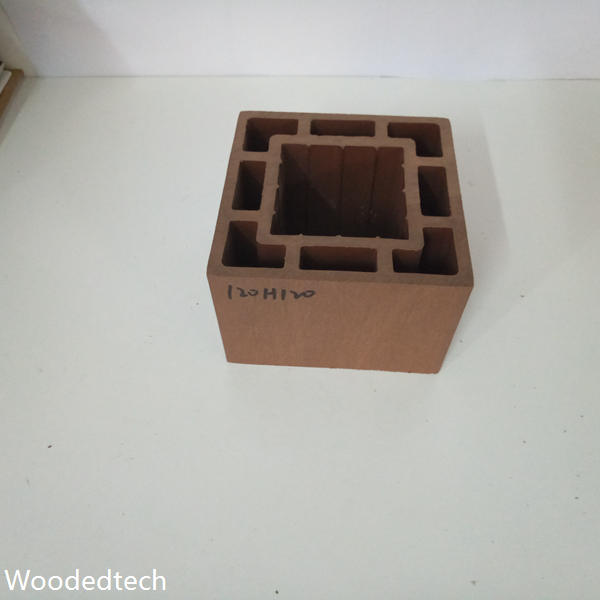
Quando a montagem da pérgula está em andamento, cortar a madeira plástica composta com precisão é fundamental.Use uma serra de dentes finos projetada para materiais compósitos para obter uma borda limpa, o que ajudará a evitar fragmentações e danos às placas.Meça cuidadosamente antes de cada corte, pois a precisão é fundamental para manter a uniformidade em toda a estrutura.
Após o corte, os toques finais, como bordas de lixamento, podem ajudar a fornecer uma superfície lisa, contribuindo para uma aparência polida geral.É aconselhável limpar a madeira com um pano úmido para remover qualquer poeira ou detritos antes da montagem final.
Dicas de manutenção para longevidade
Uma vez que sua pérgula de madeira de plástico composta é instalada, mantê-la em boas condições é relativamente simples.A limpeza regular com água e sabão neutro ajudará a remover a sujeira e a sujeira, preservando o apelo visual do material.Embora a madeira composta seja resistente à podridão e à decomposição, ainda vale a pena inspecionar sua pérgula periodicamente em busca de sinais de desgaste ou danos.Se surgirem quaisquer problemas, abordá-los prontamente pode prolongar a vida útil da estrutura significativamente.
Além disso, a aplicação de um selante protetor a cada poucos anos pode melhorar a durabilidade e a aparência do material composto, garantindo que sua plegola continue a ser uma característica impressionante em seu jardim por muitos anos.Ao entender como instalar e manter efetivamente uma plátula de madeira de plástico composta, você pode criar um belo espaço ao ar livre que oferece relaxamento e prazer.