Como o teste de durabilidade de loggia de madeira WPC prova o desempenho ao ar livre
A importância do WPC no design de paisagem
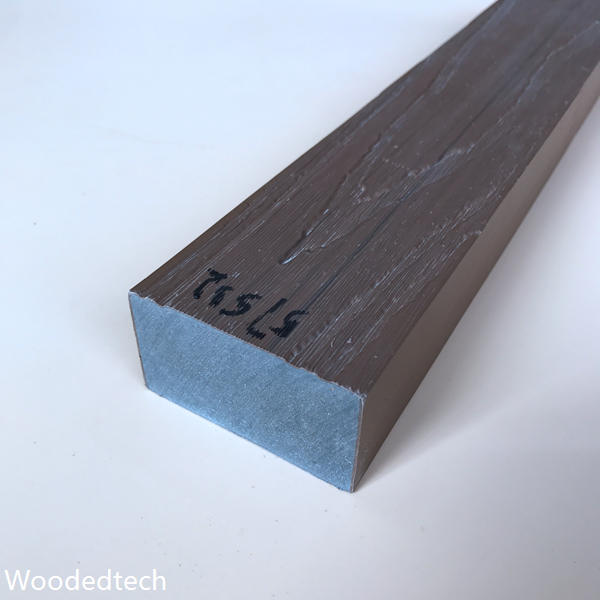
Na arquitetura paisagística moderna, a escolha de materiais pode ditar a longevidade e a estética dos espaços ao ar livre.Os materiais de compósito de madeira e plástico (WPC) surgiram como uma opção favorecida entre arquitetos e paisagistas por sua combinação única de durabilidade e baixa manutenção.Estes compósitos, feitos de uma mistura de fibras de madeira e termoplásticos, fornecem uma alternativa ecológica à madeira tradicional, permitindo instalações ao ar livre impressionantes sem as desvantagens da madeira convencional.
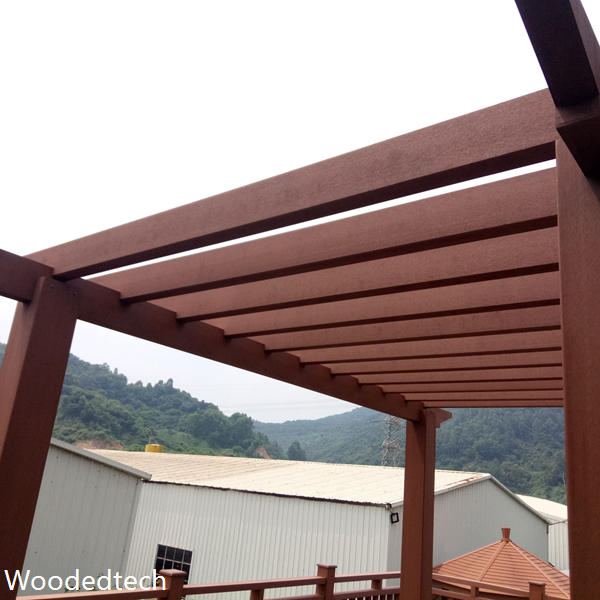
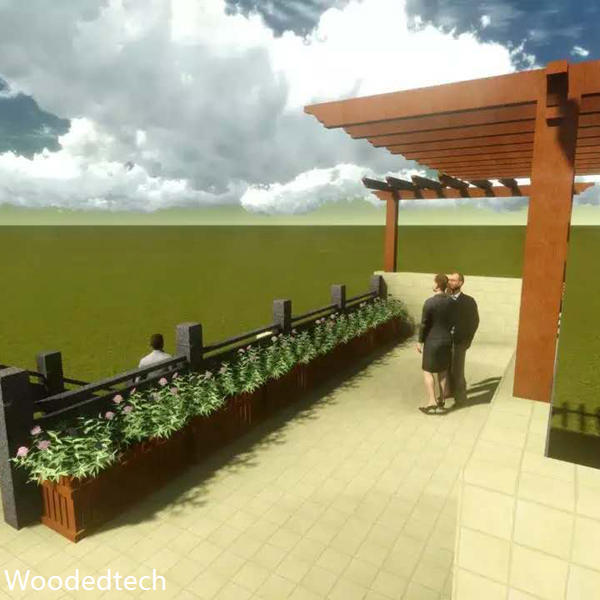
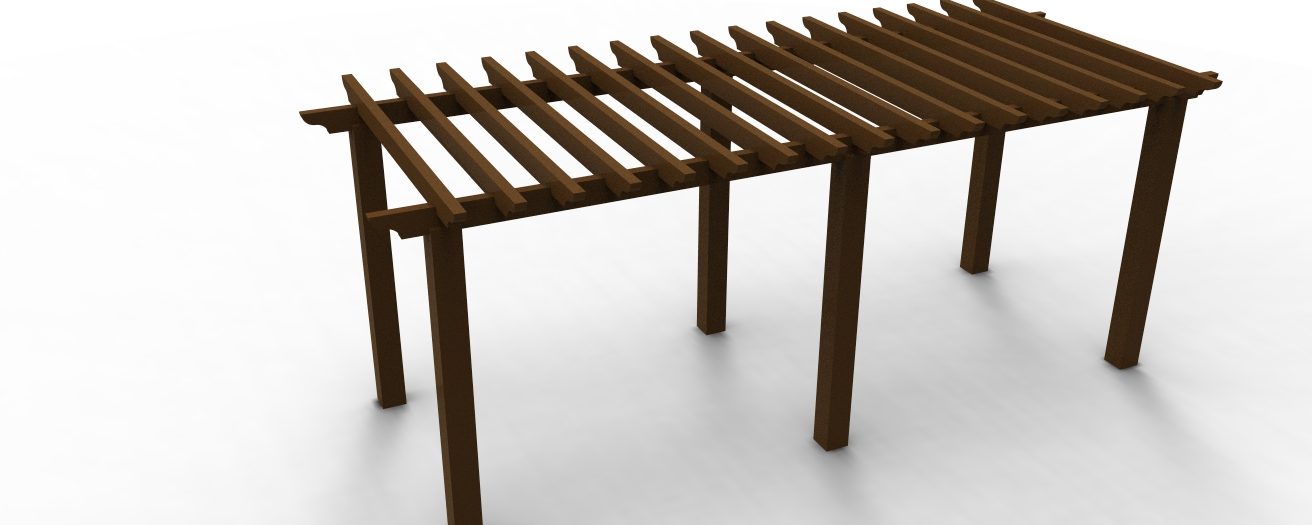
A versatilidade estética dos produtos WPC torna-os adequados para várias aplicações, incluindo decks, pergolas e móveis ao ar livre.Sua capacidade de imitar a aparência da madeira natural, enquanto possui maior resistência à umidade, insetos e degradação UV é particularmente atraente para ambientes externos, onde a exposição aos elementos pode deteriorar rapidamente os produtos de madeira padrão.Essa mudança para o WPC não é apenas uma tendência, mas uma mudança fundamental na forma como abordamos o design paisagístico sustentável e durável.
Teste de durabilidade de loggia de madeira WPC: uma visão geral
Um elemento crítico na seleção de materiais WPC para uso externo é o teste de durabilidade de loggia de madeira WPC.Este teste mede o quão bem os produtos WPC suportam vários estressores ambientais, incluindo umidade, temperaturas extremas e desgaste físico.Os resultados fornecem aos arquitetos paisagistas e designers dados essenciais que informam suas escolhas, garantindo que os materiais selecionados possam suportar os rigores da vida ao ar livre.
Durante o teste de durabilidade da loggia de madeira WPC, as amostras são submetidas a processos acelerados de intemperismo, incluindo a exposição ao calor, chuva e luz UV.Os resultados determinam as características de desempenho do compósito, como retenção de cores, integridade estrutural e resistência ao mofo e mofo.Esses testes não apenas fornecem uma referência confiável para a qualidade do produto, mas também garantem aos arquitetos e clientes que seus materiais escolhidos são adequados para o propósito em configurações externas exigentes.
Considerações de seleção de materiais
Quando se trata de selecionar materiais WPC para projetos paisagísticos, vários fatores devem ser considerados.Em primeiro lugar, é a aplicação pretendida, pois diferentes formulações WPC podem se destacar em ambientes específicos.Por exemplo, áreas que experimentam alto tráfego de pedestres podem exigir um produto WPC com maior resistência a deslizamentos e suporte estrutural, enquanto regiões com chuvas fortes podem se beneficiar de compósitos projetados para gerenciamento de umidade superior.
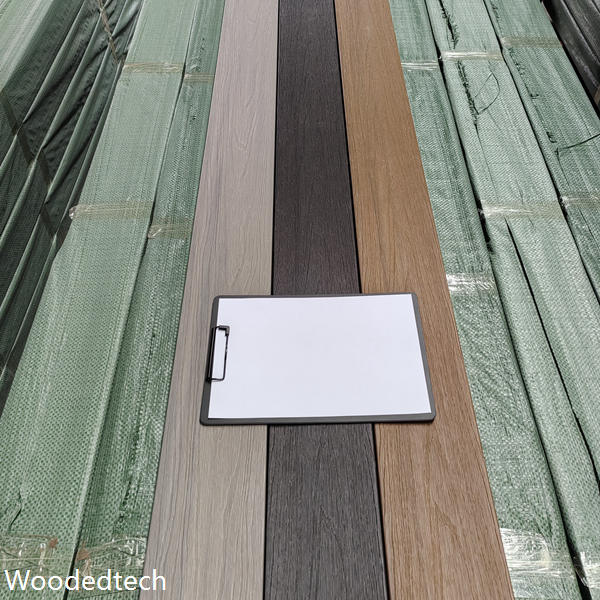
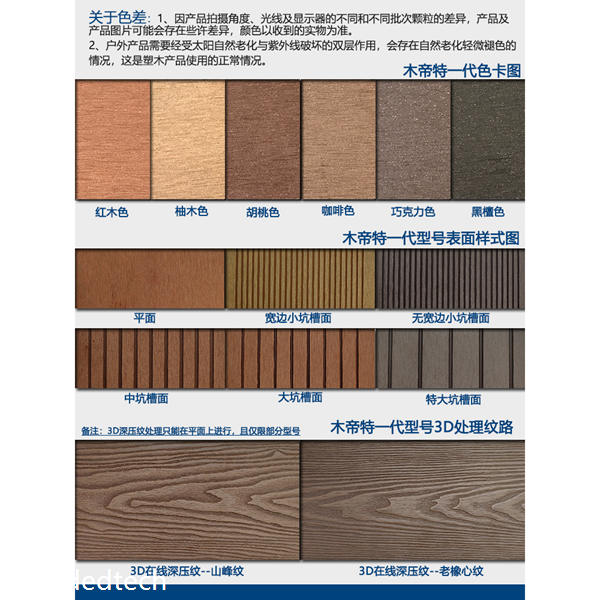
Outra consideração vital é a qualidade estética do produto WPC.Com uma variedade de texturas e cores disponíveis, os paisagistas podem criar ambientes visualmente atraentes que se misturam perfeitamente com o ambiente natural.O uso do WPC que oferece uma variedade de acabamentos pode aumentar ainda mais o apelo, permitindo designs intrincados que não comprometem a durabilidade.É essencial que os designers equilibrem os aspectos visuais com o desempenho prático testado através de rigorosas avaliações de durabilidade.
Sustentabilidade e Impacto Ambiental
A incorporação de materiais WPC em projetos de paisagem não só aumenta a durabilidade, mas também demonstra um compromisso com a sustentabilidade.Uma vez que o WPC é produzido a partir de madeira e plástico reciclados, seu uso reduz a demanda por madeira virgem e ajuda a minimizar o desperdício de plástico.Esta abordagem ecológica ressoa com os consumidores ambientalmente conscientes e pode afetar significativamente a percepção geral de um projeto.
Além disso, a longevidade dos produtos WPC significa que eles exigem uma substituição menos frequente do que a madeira tradicional, levando a menos consumo de recursos ao longo do tempo.Os arquitetos paisagistas podem projetar com confiança, sabendo que seus projetos manterão sua integridade e aparência por anos, contribuindo para os objetivos de desenvolvimento sustentável.
Aplicações Práticas em Arquitetura Paisagística
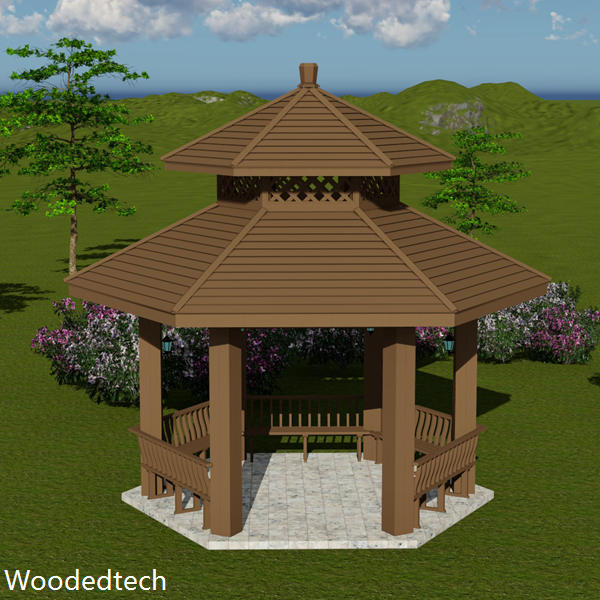
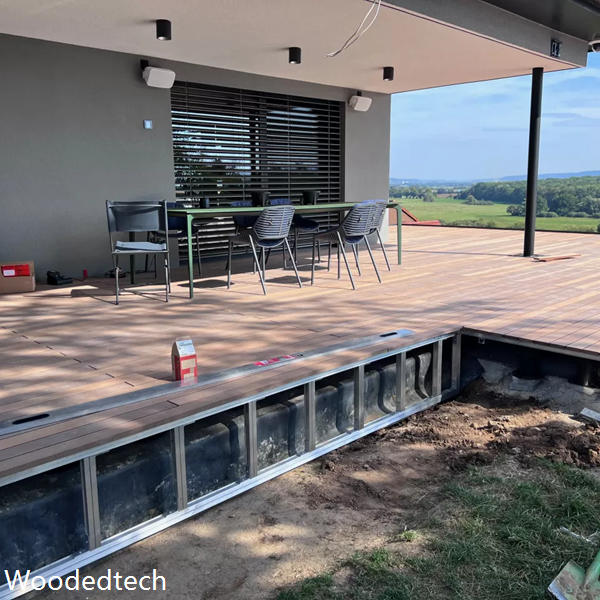
A aplicação de materiais WPC é ampla dentro da arquitetura da paisagem.Eles são cada vez mais utilizados para a construção de áreas de estar ao ar livre, como decks e pátios, onde a estética e a funcionalidade são primordiais.A capacidade de suportar os elementos, proporcionando uma aparência calorosa e convidativa, torna o WPC ideal para criar espaços onde famílias e amigos possam se reunir.
Além disso, o WPC é frequentemente utilizado em espaços públicos, como parques e passarelas, onde a durabilidade e a segurança são cruciais.Sua resistência à decadência e insetos significa que as instalações não só terão uma boa aparência, mas também resistirão ao teste do tempo, oferecendo um ambiente seguro para todos os usuários.A versatilidade do WPC também se estende a vários recursos de design, incluindo grades, bancos e esgrima, permitindo que os designers criem ambientes coesos que são funcionais e atraentes.
Tendências futuras no uso do WPC
À medida que a tecnologia continua a avançar, o futuro dos materiais WPC parece promissor.As inovações em tecnologia composta estão levando a produtos mais fortes e mais duráveis que podem ser adaptados para aplicações específicas.Os arquitetos paisagistas se encontrarão cada vez mais na vanguarda da utilização desses materiais avançados para criar ambientes externos que não são apenas esteticamente agradáveis, mas também altamente funcionais.
Além disso, a ênfase contínua na sustentabilidade impulsionará a demanda por soluções WPC que são fabricadas usando processos ambientalmente responsáveis.À medida que mais arquitetos e designers reconhecem os benefícios do WPC, podemos esperar uma mudança para esses materiais em vários projetos, de jardins residenciais a empreendimentos urbanos de grande escala.O desenvolvimento contínuo do teste de durabilidade da loggia de madeira WPC garantirá que apenas os produtos com melhor desempenho sejam usados, solidificando ainda mais o papel do WPC no futuro da arquitetura da paisagem.