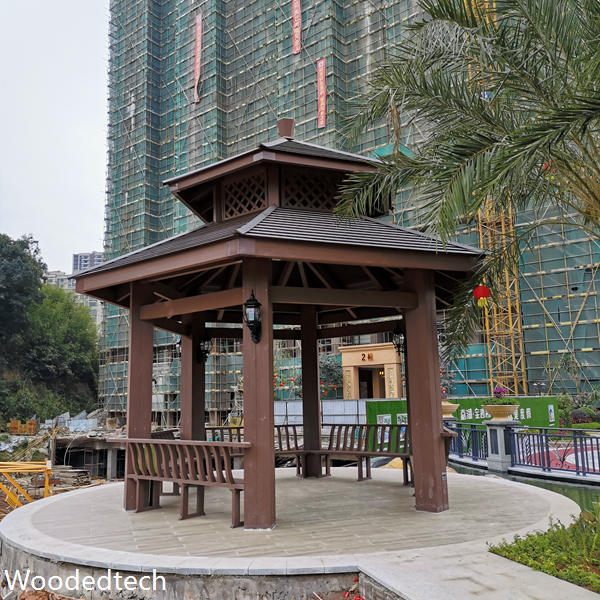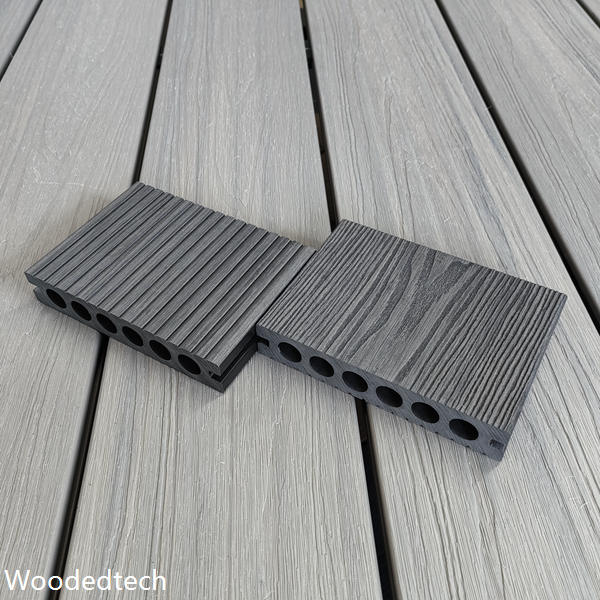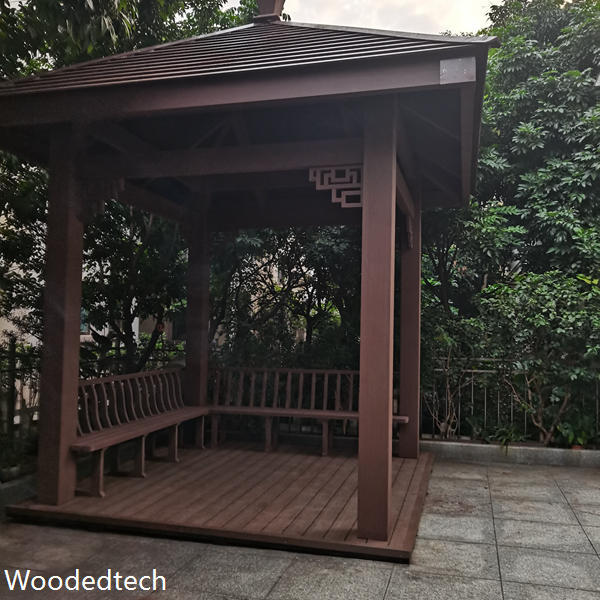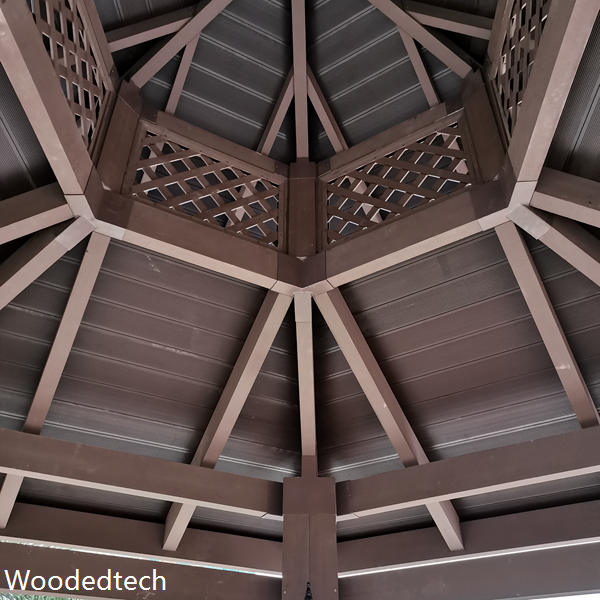
Como o composto de plástico de madeira Gazebo melhora os espaços de convivência ao ar livre
O processo de extrusão WPC ao ar livre
A criação de um composto de plástico de madeira Gazebo envolve um processo de extrusão WPC ao ar livre meticuloso que garante durabilidade e apelo estético.Este processo começa com a seleção cuidadosa e mistura de matérias-primas.Tipicamente, uma combinação de fibras de madeira e polímeros termoplásticos, como polietileno ou polipropileno, é usada.Esses materiais são precisamente medidos e misturados para alcançar as propriedades desejadas, garantindo que o produto final seja resistente e visualmente atraente.O estágio de mistura é crítico; alcançar a consistência certa influencia a resistência e a flexibilidade do material compósito.
Após a mistura, o material sofre peletização, onde é formado em pequenos pellets para facilitar o manuseio e o processamento.Esta etapa é significativa, pois prepara a mistura para uma extrusão eficiente, promovendo o aquecimento e o derretimento uniformes durante as etapas subsequentes.
Controle de Temperatura em Extrusão
O controle de temperatura de extrusão é um aspecto fundamental do processo de fabricação.Manter a temperatura correta durante todo o processo de extrusão garante que o material flua suavemente sem se degradar.Para compósitos de plástico de madeira, a temperatura deve ser gerenciada de forma otimizada, tipicamente em torno de 180 a 220 graus Celsius, dependendo do polímero específico utilizado.Se a temperatura estiver muito baixa, o material pode não se extrudar adequadamente, enquanto o calor excessivo pode levar à degradação térmica, reduzindo o desempenho do produto final.
A própria extrusora desempenha um papel vital nesta fase, utilizando uma combinação de energia mecânica e térmica para transformar os pellets num perfil contínuo.O design do parafuso da extrusora é especificamente adaptado para acomodar as propriedades exclusivas do WPC, garantindo um derretimento homogêneo que pode fluir para o molde com precisão.
Projeto e calibração de moldes
O próximo passo envolve o design do molde, que é fundamental para moldar o composto de plástico de madeira Gazebo.Os moldes devem ser projetados com precisão para garantir que o produto final exiba as dimensões e acabamentos desejados.O projeto normalmente incorpora características que facilitam a drenagem e impedem o acúmulo de material em excesso, o que poderia comprometer a qualidade do gazebo.
A calibração de resfriamento é igualmente importante, pois o perfil extrudado precisa ser resfriado uniformemente para manter sua forma e evitar empenamento.Banhos de água ou sistemas de ar de resfriamento são frequentemente empregados para atingir a taxa de resfriamento necessária.A calibração adequada durante esse estágio reduz a probabilidade de defeitos, garantindo que cada componente atenda aos padrões exigidos antes de passar para a próxima fase.
Técnicas de Tratamento de Superfície
Uma vez resfriado, o composto de plástico de madeira Gazebo pode passar por várias técnicas de tratamento de superfície para melhorar seu apelo visual e longevidade.Estes tratamentos podem incluir lixamento, revestimento ou aplicação de aditivos que melhoram a resistência aos raios UV e umidade.Os tratamentos de superfície não só contribuem para a qualidade estética do gazebo, mas também reforçam o seu desempenho em ambientes exteriores onde a exposição aos elementos é inevitável.
A implementação de tratamentos de superfície eficazes é essencial para garantir a longevidade do gazebo, pois eles fornecem uma camada adicional de proteção contra o desgaste ao longo do tempo.A seleção cuidadosa de revestimentos e tratamentos pode melhorar significativamente a durabilidade geral do produto.
Desafios comuns da produção
<pApesar do planejamento e execução cuidadosos do processo de extrusão do WPC, vários desafios de produção podem surgir.Uma questão comum é a ocorrência de vazios dentro do material extrudado, que pode comprometer a integridade estrutural.Este problema muitas vezes decorre de mistura insuficiente ou gerenciamento inadequado de temperatura durante a extrusão. <pOutro desafio é a aparência de defeitos de superfície, como empenamento ou acabamentos irregulares, que podem resultar de resfriamento inadequado ou design de molde inadequado.Abordar esses desafios requer medidas contínuas de controle de qualidade e ajustes no processo de produção para garantir que cada composto de plástico de madeira Gazebo atenda aos altos padrões esperados no mercado.Melhorar os espaços de vida ao ar livre
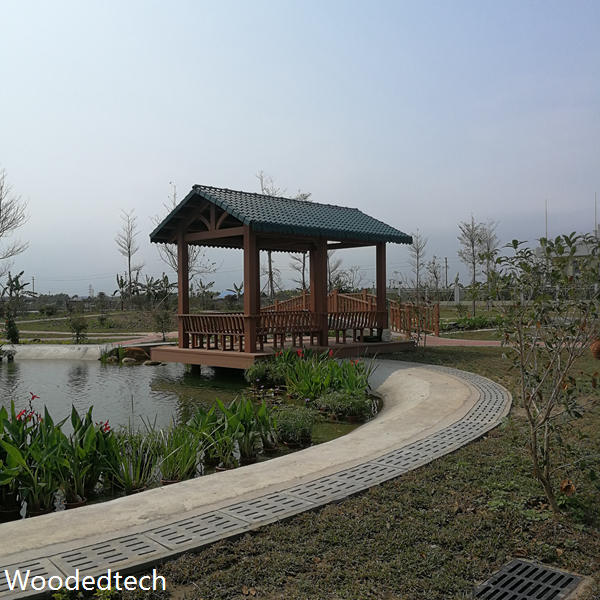
O composto de plástico de madeira Gazebo representa uma notável fusão de tecnologia e design que melhora significativamente os espaços de convivência ao ar livre.Com suas propriedades únicas, não só fornece uma estrutura funcional, mas também adiciona um charme estético aos jardins e pátios.A durabilidade dos materiais WPC significa que os proprietários podem desfrutar de seus gazebos por anos sem a manutenção frequente exigida pela madeira tradicional.Além disso, os benefícios ambientais do uso de materiais reciclados na produção de WPC se alinham com a tendência crescente para práticas de construção sustentáveis.
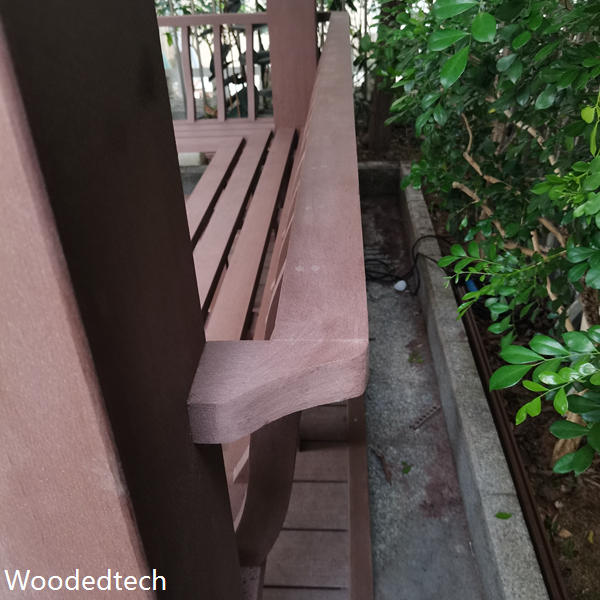
A versatilidade dos compósitos de plástico de madeira também permite uma variedade de desenhos e acabamentos, atendendo a diversos gostos e preferências.Como um experiente engenheiro de tecnologia de extrusão WPC, é gratificante testemunhar como tais produtos podem transformar áreas externas em espaços bonitos e funcionais para relaxamento e entretenimento.