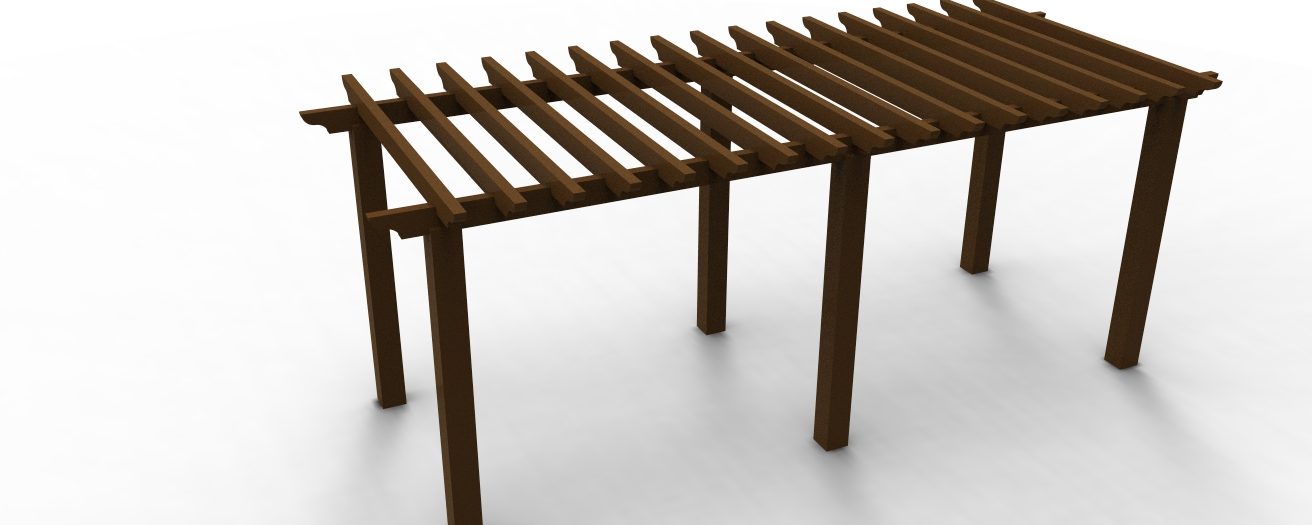
Como construir um compósito de madeira de plástico trelis para decoração de jardim
Projetando perfis WPC para construção de trellis
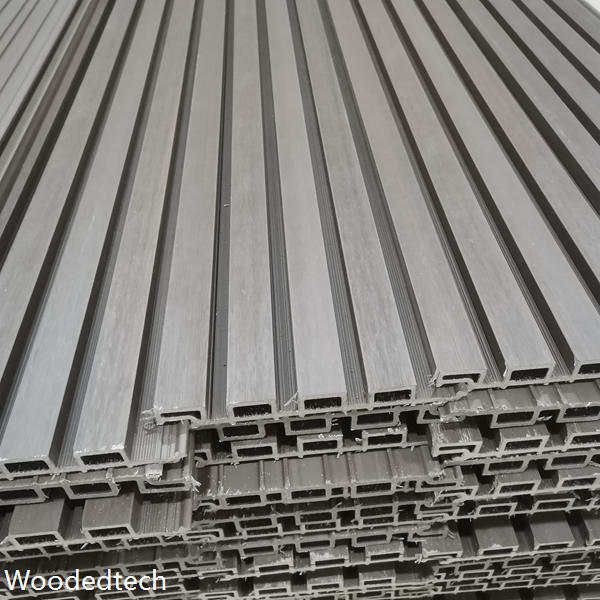
A criação de uma treliça a partir de compósito de madeira plástica (WPC) envolve uma seleção cuidadosa de projetos de perfil para otimizar a estética e a funcionalidade.Os perfis WPC podem ser produzidos em várias formas, incluindo estruturas ocas e sólidas.Os perfis ocos tendem a ser mais leves, tornando-os mais fáceis de manusear durante a instalação, enquanto os perfis sólidos oferecem maior resistência e durabilidade.A escolha entre esses dois tipos depende, em última análise, do uso pretendido da treliça e da carga esperada que ela deve carregar.
Por exemplo, uma treliça projetada para suportar plantas de escalada exigirá um design robusto que pode suportar o peso das plantas à medida que crescem.Em contraste, uma treliça decorativa pode priorizar materiais leves para garantir fácil instalação sem comprometer a integridade estrutural.O equilíbrio entre resistência e peso deve ser avaliado durante a fase de projeto para garantir um desempenho ideal.
Influência de Rib Designs
Os projetos de costela desempenham um papel significativo no aumento da integridade estrutural dos perfis WPC.Incorporar costelas no perfil pode efetivamente distribuir cargas e aumentar a resistência à flexão e deflexão.Isso é particularmente importante para uma trelice que pode experimentar diferentes níveis de estresse de fatores ambientais, como o vento ou o peso das plantas trepadeiras.
Os engenheiros geralmente empregam um layout estratégico de costela para garantir que o perfil permaneça leve e, ao mesmo tempo, maximize a força.A colocação e a profundidade das costelas também podem influenciar o custo de produção, já que projetos mais complexos podem levar ao aumento das despesas de fabricação.Portanto, é essencial encontrar um equilíbrio entre desempenho e custo ao projetar a estrutura de costela para perfis WPC.
Padrões de superfície e estética
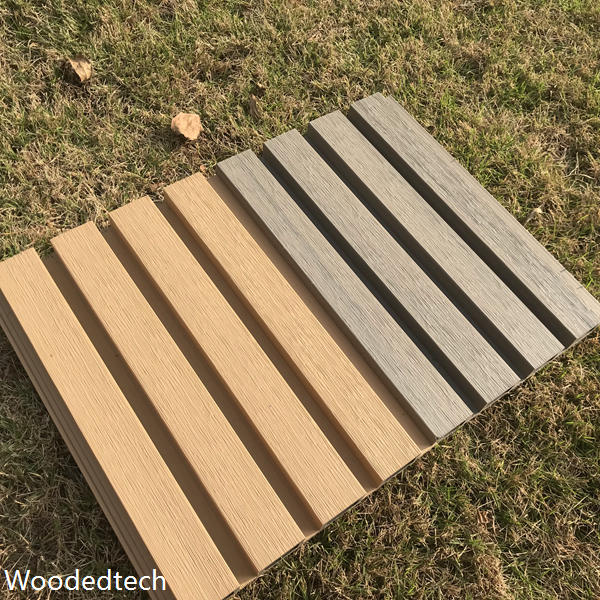
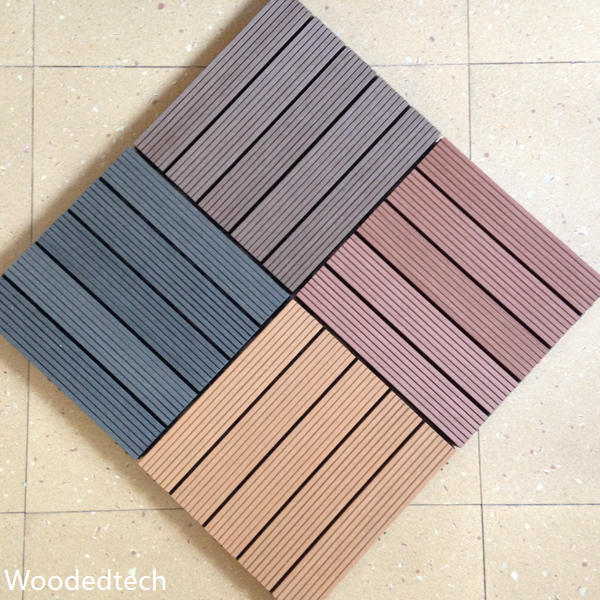
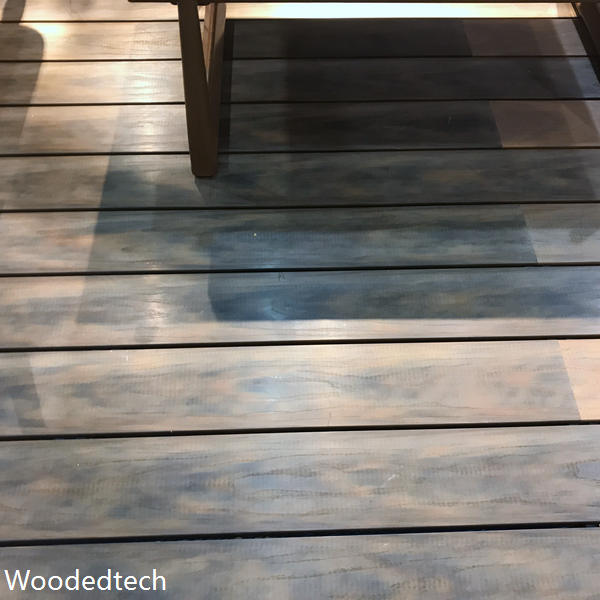
O padrão de superfície dos materiais WPC não é apenas importante para o apelo estético, mas também afeta a funcionalidade do produto.Uma superfície texturizada pode fornecer melhor aderência para plantas de escalada, enquanto um acabamento mais suave pode ser mais visualmente atraente para fins decorativos.Além disso, os padrões de superfície podem influenciar a resistência do material ao desgaste, o que é crucial para aplicações ao ar livre.
Acabamentos diferentes também podem afetar o custo de produção.Padrões de superfície mais complexos geralmente exigem técnicas avançadas de moldagem, o que pode aumentar o tempo de fabricação e as despesas.Portanto, a seleção de um padrão de superfície envolve considerar tanto o apelo visual quanto o desempenho prático, garantindo que o produto final atenda às expectativas do consumidor sem sobrecarregar o orçamento.
Considerações de custo no WPC Trellis Design
O custo é sempre um fator significativo no projeto e na produção de qualquer material de construção, incluindo treliças WPC.A escolha do design do perfil, configuração da costela e acabamento da superfície pode influenciar muito os custos gerais.Por exemplo, enquanto estruturas sólidas podem fornecer maior durabilidade, elas também geralmente incorrem em maiores custos de material e produção.
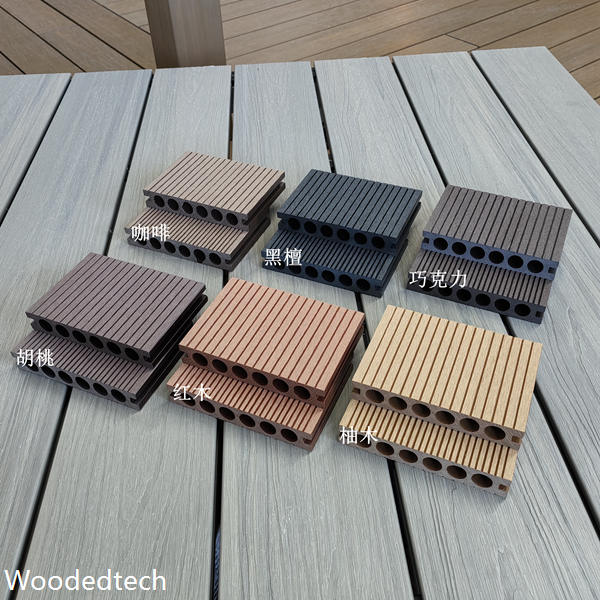
Para otimizar o custo sem sacrificar a qualidade, os designers podem experimentar projetos híbridos que incorporam perfis sólidos e ocos de forma estratégica.Essa abordagem permite um equilíbrio entre acessibilidade e força, levando a um produto mais competitivo no mercado.Entender as implicações de custo de várias opções de projeto é essencial para engenheiros que trabalham em projetos de trelição WPC.
Fatores de desempenho de instalação
A facilidade de instalação é uma consideração crítica ao projetar uma treliça WPC.Perfis que são leves e de dimensões gerenciáveis podem reduzir significativamente o tempo de instalação e os custos de mão-de-obra.Além disso, perfis bem projetados com recursos de bloqueio ou furos pré-perfurados podem simplificar o processo de montagem, tornando-o acessível para uma gama mais ampla de consumidores.
Além disso, a compatibilidade de materiais WPC com vários prendedores e suportes estruturais pode afetar o desempenho geral da treliça.Os designers devem contabilizar esses fatores durante a fase de desenvolvimento para garantir que o produto final não apenas atenda aos requisitos estéticos e funcionais, mas também forneça uma experiência de instalação perfeita para o usuário final.