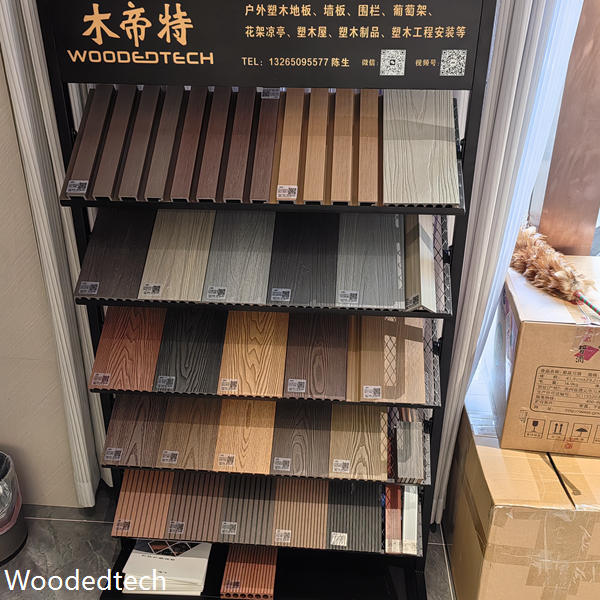
What Price Is Composite Decking? Installing WPC Decking And Wall Cladding Correctly
Composite Decking Prices Start With the Specification
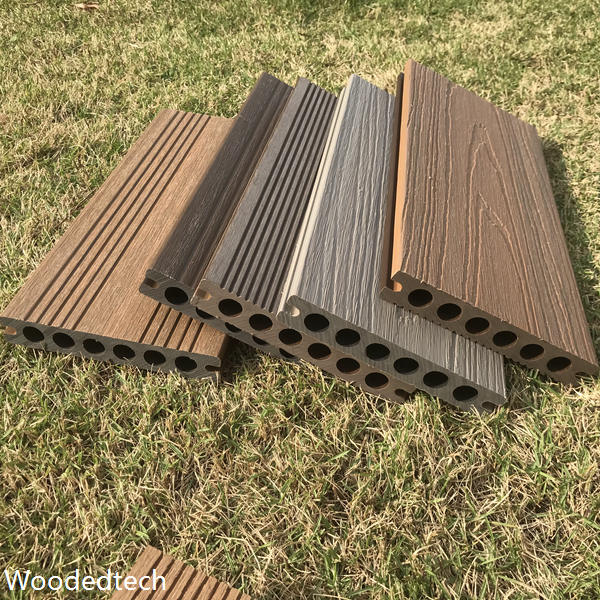
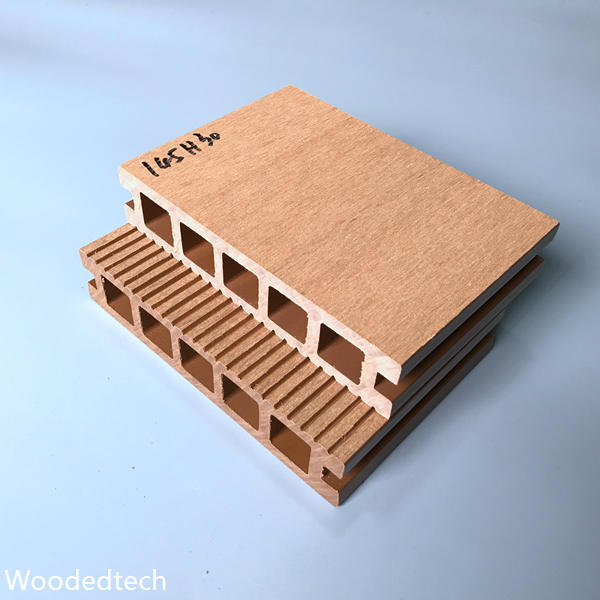
As the owner of an outdoor WPC manufacturing company in Guangdong, China, with more than ten years of production experience, I see buyers compare quotations that describe very different products. Anyone searching for what price is composite decking needs to establish the board profile, material composition, surface protection and intended application before comparing figures.
For preliminary budgeting, factory supply prices might range from around USD 20 to USD 50 per square metre, with premium specifications outside that range. These are indicative figures, not a quotation. Confirm whether the offer includes clips, joists, trims and packaging. Freight, import duties, site preparation and installation labour can substantially change the finished project cost.
Material Quality Determines Long Term Value
At our factory, production control begins with incoming wood flour and polymer checks. Moisture, particle consistency and contamination affect extrusion stability, surface appearance and mechanical performance. Recycled polymer can produce dependable decking, but its source and consistency matter. We assess incoming batches against agreed specifications rather than assuming that recycled content alone proves quality or environmental benefit.
The formulation must balance stiffness, impact resistance, weathering performance and processing behaviour. Adding excessive mineral filler may reduce material cost while increasing brittleness or weight. A coextruded cap can improve resistance to staining and colour change, but coverage, adhesion and cap formulation require verification. We encourage buyers to compare relevant test reports alongside physical samples, especially for demanding coastal or commercial projects.
Factory Capabilities Behind a Consistent Order
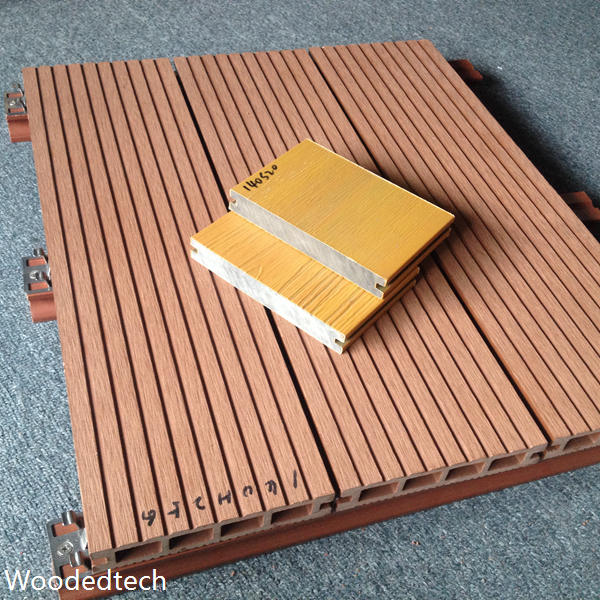
Reliable output depends on more than the number of extrusion lines. Tooling condition, temperature control, cooling and haul off speed all influence dimensions and straightness. During production, operators should check board weight, width, thickness and groove geometry at defined intervals. A clip system that works on an approved sample can become troublesome if groove tolerances drift across a container load.
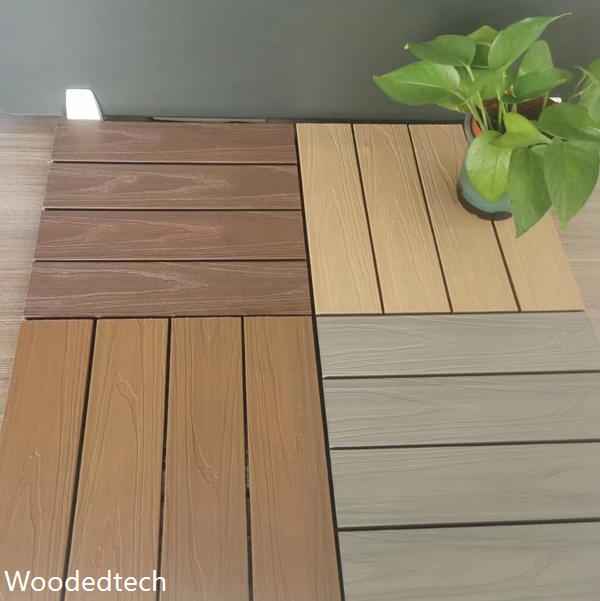
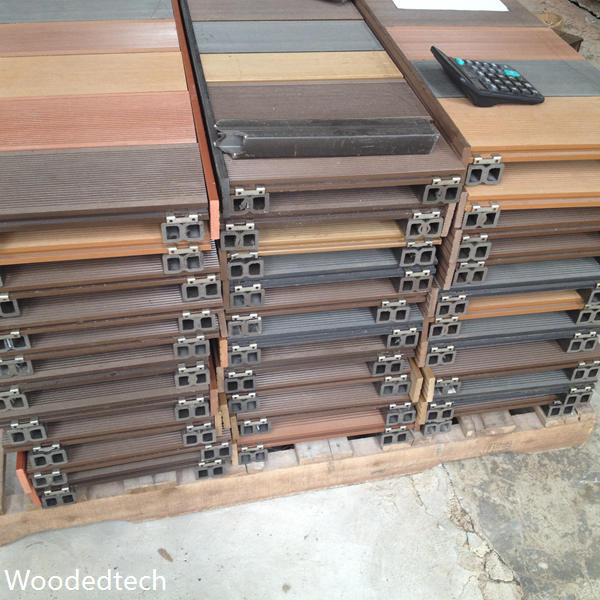
For OEM cooperation, we agree the profile drawing, colour reference, surface finish and acceptance criteria before bulk production. Custom moulds and trial runs need separate consideration because tooling costs and minimum order quantities affect unit pricing. We also discuss practical board lengths and protective packaging. Poor pallet support or inadequate container restraint can damage an otherwise satisfactory order before it reaches the installer.
Installing WPC Decking With Drainage and Movement
A sound installation begins with a stable, adequately drained base and a supporting structure designed for the expected loads. Joist spacing must follow the specific board manufacturer’s span guidance; hollow and solid profiles cannot automatically share the same spacing. Diagonal layouts and heavily trafficked areas may need closer supports. Board ends and joints require suitable bearing and fixing arrangements.
WPC expands and contracts with temperature, so end gaps, perimeter clearances and fixing methods must follow the product instructions and installation conditions. Universal gap figures are unreliable across different formulations and board lengths. Maintain ventilation beneath the deck, keep drainage routes clear and use compatible, corrosion resistant fasteners. Tightening clips excessively or restraining movement can cause distortion and premature fixing failure.
Wall Cladding Needs Its Own Installation Design
Decking and wall cladding have different duties, even where their finishes look similar. Cladding requires a suitable supporting framework, secure attachment and a designed approach to moisture management. Cavity depth, ventilation openings, flashings and interfaces around windows should follow the approved wall system and local requirements. A decorative WPC board should never be treated as the building’s primary waterproof barrier.
Fixing centres and fastener selection must account for board geometry, substrate strength and wind loads. Fire performance also needs project specific assessment, particularly for taller buildings or restricted facade applications. A test result for one formulation or assembly does not establish compliance for every installation. We ask customers to identify the destination market and intended building use before recommending a cladding specification.
Customer Cooperation Makes Quotations More Useful
The most productive enquiries include drawings, estimated quantities, delivery location, exposure conditions and the required appearance. With this information, we can compare suitable profiles, calculate material coverage and explain accessory requirements. Samples should be approved under realistic lighting, while written colour tolerances help procurement and inspection teams judge later deliveries consistently.
Before dispatch, we recommend checking agreed dimensions, appearance, quantities and packaging against the purchase specification. Batch identification supports after sales investigations if damage or installation concerns arise. Clear installation documents, realistic warranty terms and an agreed spare board allowance give distributors and contractors practical support beyond the initial material price.