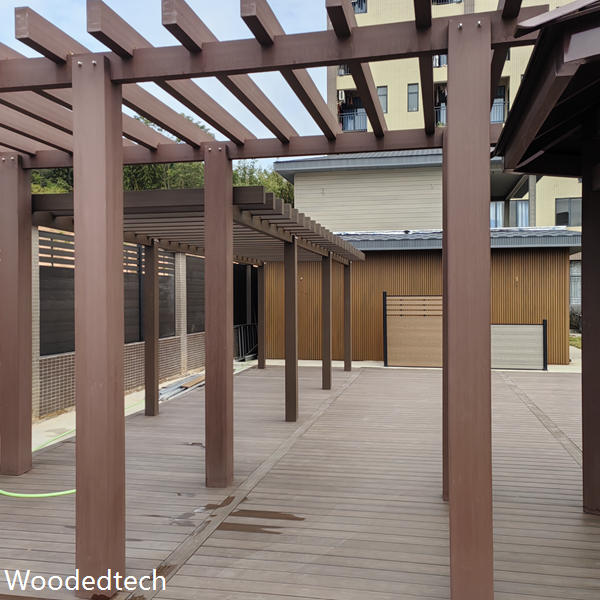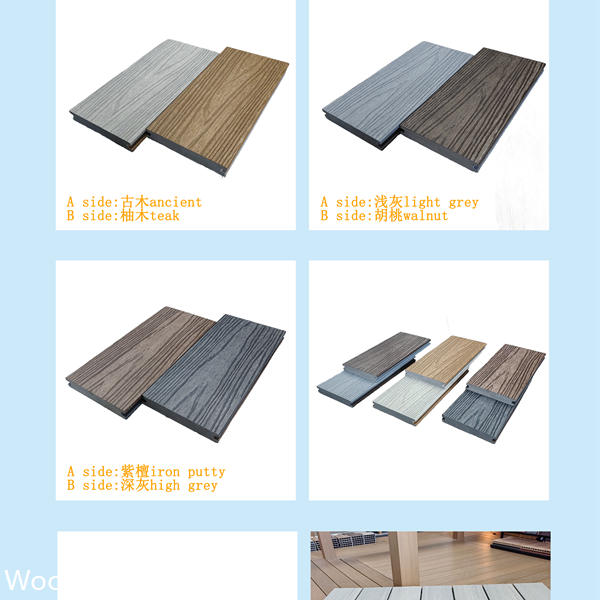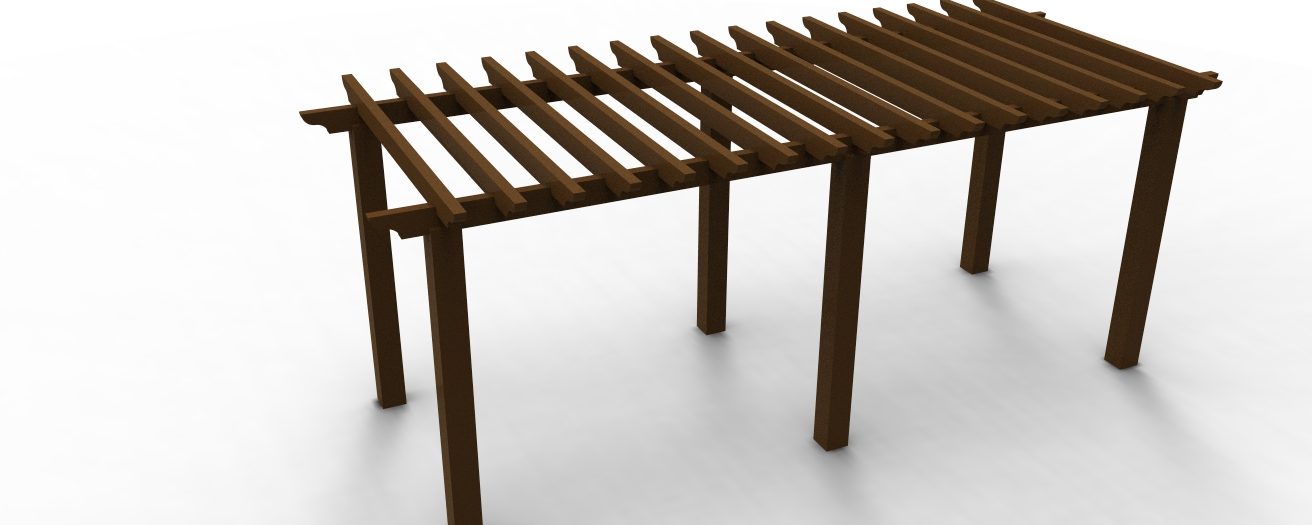
Wat zijn de Pavilion WPC hout beoordelingen van outdoor project toepassingen
Materiaalsamenstelling van Pavilion WPC-producten
Pavilion WPC (Wood Plastic Composite) producten worden steeds vaker gekozen voor buitentoepassingen vanwege hun indrukwekkende duurzaamheid en esthetische aantrekkingskracht.De samenstelling van deze materialen speelt een vitale rol in hun algehele prestaties.De primaire bestanddelen omvatten houtpoeder, HDPE (High-Density Polyethyleen) of PVC (Polyvinylchloride) polymeren, additieven, pigmenten en verschillende modifiers.Elk onderdeel draagt uniek bij aan de kenmerken van het eindproduct, waardoor aspecten zoals weerbestendigheid, kleurbehoud en structurele integriteit worden beïnvloed.
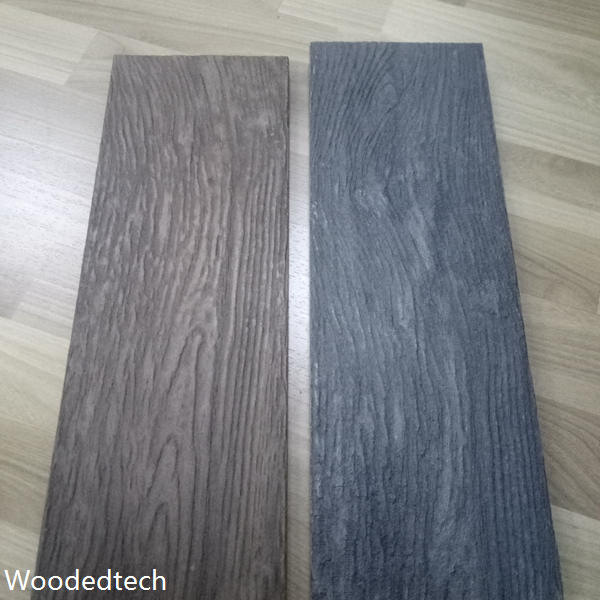
Het houtpoeder dat in Pavilion WPC wordt gebruikt, is van cruciaal belang voor het bieden van een natuurlijke uitstraling en textuur.Dit poeder is afkomstig van duurzaam beheerde bossen en moet een strenge kwaliteitscontrole ondergaan om de consistentie in de deeltjesgrootte en het vochtgehalte te waarborgen.Als het houtpoeder te grof is of overtollig vocht bevat, kan dit leiden tot een zwakke binding met de polymeren, waardoor uiteindelijk de sterkte en levensduur van het eindproduct in gevaar komen.
Impact van polymeren op de prestaties
De keuze tussen HDPE en PVC beïnvloedt de mechanische eigenschappen van de WPC aanzienlijk.HDPE staat bekend om zijn uitstekende slagvastheid en flexibiliteit, waardoor het geschikt is voor toepassingen die een zekere mate van geven vereisen, zoals terrasplanken en hekwerk.PVC biedt daarentegen superieure weerbaarheid en UV-bestendigheid, die essentieel zijn voor producten die worden blootgesteld aan zware buitenomstandigheden.Kwaliteitsinspecties in onze faciliteit omvatten het testen van de treksterkte en verlengingseigenschappen van deze polymeren om ervoor te zorgen dat ze voldoen aan de industrienormen.
Beide polymeren hebben specifieke additieven nodig om hun prestaties te verbeteren.UV-stabilisatoren kunnen bijvoorbeeld worden geïntroduceerd om de effecten van blootstelling aan zonlicht te beperken, terwijl smeermiddelen de verwerkingskenmerken tijdens extrusie kunnen verbeteren.Regelmatige tests, waaronder warmtestabiliteit en smeltstroomanalyses, zorgen ervoor dat de gebruikte additieven de structurele integriteit van de WPC niet in gevaar brengen.
Additieven en hun rol in duurzaamheid
Additieven spelen een cruciale rol bij het verbeteren van de functionaliteit van Pavilion WPC-producten.Vlamvertragers, schimmelweermiddelen en kleurstoffen worden vaak gebruikt om extra voordelen te bieden.Vlamvertragers verbeteren de veiligheid, met name in gebieden die vatbaar zijn voor bosbranden, terwijl schimmelweermiddelen verval voorkomen en de levensduur van het product verlengen.Het is essentieel om grondige kwaliteitsinspecties van deze additieven uit te voeren, omdat onjuiste formulering kan leiden tot bijwerkingen die van invloed zijn op de algehele duurzaamheid en veiligheid van de WPC.
Kwaliteitscontrolemaatregelen omvatten het beoordelen van de compatibiliteit van additieven met de hout- en polymeermatrix, zodat ze de fysische eigenschappen van het composietmateriaal niet nadelig beïnvloeden.Dit omvat het evalueren van de thermische stabiliteit en verspreiding van additieven tijdens het productieproces.
Weerbestendigheid en prestatietesten
Buitentoepassingen vereisen uitzonderlijke weerbestendigheid en Pavilion WPC-producten ondergaan nauwgezette tests om hun prestaties onder verschillende omgevingsomstandigheden te certificeren.Versnelde verweringstests simuleren langdurige blootstelling aan UV-licht, vocht en temperatuurschommelingen.Deze tests laten zien hoe goed de producten hun kleur behouden, weerstand bieden aan kromtrekken en structurele integriteit in de loop van de tijd behouden.
Onze fabriek maakt gebruik van geavanceerde testmethodieken om naleving van internationale kwaliteitsnormen, zoals ASTM en ISO, te waarborgen.Regelmatige controles op dimensionale stabiliteit en oppervlaktehardheid worden uitgevoerd om ervoor te zorgen dat de resulterende WPC bestand is tegen de strengheid van buitengebruik, zoals benadrukt in Pavilion WPC-houtrecensies van professionals uit de industrie.
Fabrieksinspectiemethoden voor kwaliteitsborging
Het kwaliteitscontroleproces in onze faciliteit is uitgebreid, dat meerdere stadia omvat, van grondstofselectie tot eindproducttesten.Inkomende materialen, waaronder houtpoeder en polymeren, worden onderworpen aan strenge inspecties om ervoor te zorgen dat ze voldoen aan gespecificeerde criteria.Vochtgehalte, deeltjesgrootte en polymeerkwaliteit worden geëvalueerd om eventuele problemen te elimineren voordat de productie begint.
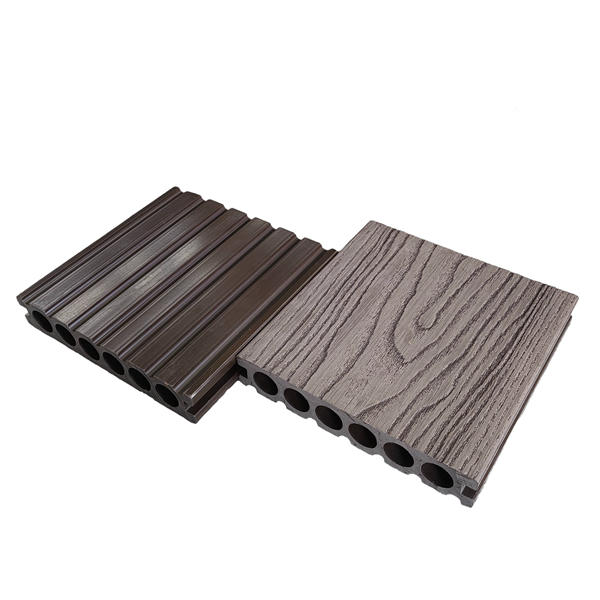
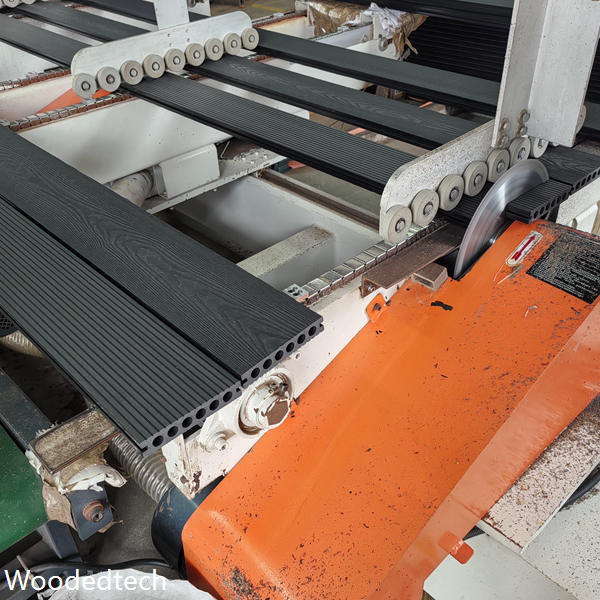
Tijdens het productieproces is real-time monitoring van de extrusieparameters essentieel.Variabelen zoals temperatuur, druk en toevoersnelheid zijn nauw gereguleerd om optimale verwerkingsomstandigheden te garanderen.Eindproducten ondergaan een reeks mechanische tests om hun prestaties en naleving van de vastgestelde kwaliteitsnormen te verifiëren.De combinatie van deze inspectiemethoden garandeert dat Pavilion WPC-producten zowel betrouwbaar als goed presterend zijn, waardoor ze een uitstekende keuze zijn voor buitentoepassingen.