Wat zijn de Composite hout plastic pergola ontwerp trends voor tuinen
Ontwerpen van High-Performance Composiet Hout Plastic Pergola's
Samengestelde houten plastic pergola's zijn naar voren gekomen als een voorkeurskeuze voor moderne tuinen, waarbij esthetiek wordt gecombineerd met duurzaamheid.Als WPC-formuleringsontwikkelingsingenieur ligt de focus op het creëren van hoogwaardige kunststofcomposietformules voor buitenhout die niet alleen voldoen aan ontwerptrends, maar ook zorgen voor een lange levensduur en duurzaamheid.De integratie van houtvezel met kunststoffen speelt een vitale rol, wat de algehele prestaties van de pergola beïnvloedt.Het is essentieel om de juiste balans tussen deze materialen te bereiken om de structurele integriteit te verbeteren en tegelijkertijd visueel aantrekkelijk te blijven.
Het houtvezelgehalte in de formulering beïnvloedt de textuur en het uiterlijk van het eindproduct.Een optimale verhouding van hout tot kunststof is van cruciaal belang; te veel plastic kan leiden tot een gebrek aan authenticiteit in look en feel, terwijl overmatig hout de mechanische eigenschappen in gevaar kan brengen.De ideale formule bevat meestal ongeveer 50-70% houtvezel, die een natuurlijk houtachtig uiterlijk biedt met behoud van de voordelen van plastic, zoals weerstand tegen vocht en insecten.
Innovatieve toevoegingen voor verbeterde prestaties
Additieven spelen een belangrijke rol bij het verbeteren van de eigenschappen van houtplastic composieten.Het opnemen van UV-stabilisatoren is cruciaal voor buitentoepassingen, omdat ze helpen kleurvervaging en afbraak veroorzaakt door blootstelling aan zonlicht te voorkomen.Op dezelfde manier kunnen schimmelwerende middelen worden toegevoegd om de levensduur van het product te verbeteren, waardoor het geschikt is voor verschillende weersomstandigheden.Het selecteren van de juiste additieven moet ook rekening houden met kostenimplicaties; hoewel hoogwaardige additieven de initiële uitgaven kunnen verhogen, kunnen ze in de loop van de tijd leiden tot lagere onderhoudskosten.
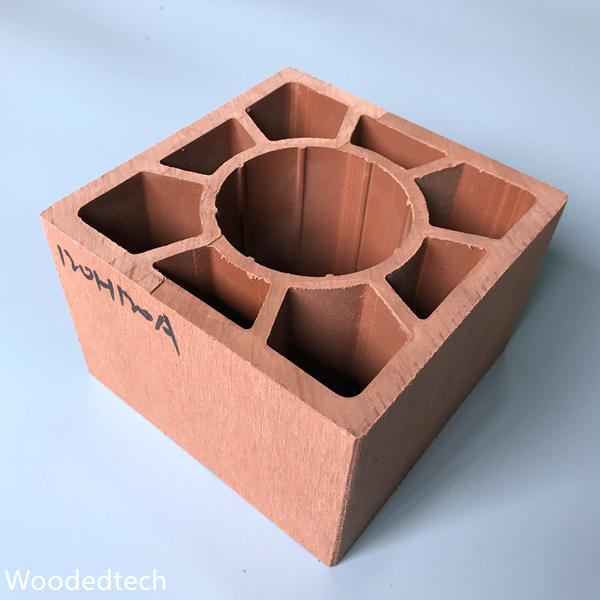
Een andere belangrijke overweging is de opname van impact modifiers.Deze stoffen versterken de taaiheid van het composiet, waardoor het verschillende spanningen kan weerstaan zonder te kraken.Het in evenwicht brengen van de opname van dergelijke modifiers vereist een zorgvuldige berekening, omdat ze de totale kosten en prestaties kunnen beïnvloeden.Het doel is om een product te ontwikkelen dat niet alleen functioneel is, maar ook kosteneffectief voor grootschalige productie.
Kostenbeheersing en productie-efficiëntie
<pCost controle staat voorop bij de productie van composiet hout plastic pergola.Tijdens het formuleringsproces is het essentieel om rekening te houden met de kosten van grondstoffen, waaronder houtvezels en kunststoffen.Het inkopen van hoogwaardige, duurzame materialen kan soms duurder zijn, maar de voordelen op lange termijn van duurzaamheid en klanttevredenheid rechtvaardigen vaak de investering.Bovendien moeten de productiemethoden worden geoptimaliseerd om afval te verminderen en de productie-efficiëntie te verbeteren.Het gebruik van geavanceerde extrusietechnologie kan helpen bij het stroomlijnen van de productie van WPC-materialen.Deze technologie zorgt voor een nauwkeurige vermenging van hout en kunststof, waardoor een consistente kwaliteit wordt gegarandeerd.Continue verbeteringen in het extrusieproces kunnen leiden tot een zuinigere output met behoud van de integriteit van de composiet.Als productiemanagers is het van vitaal belang om deze processen te monitoren en zich aan te passen aan budgetbeperkingen en tegelijkertijd aan de ontwerpverwachtingen te voldoen.
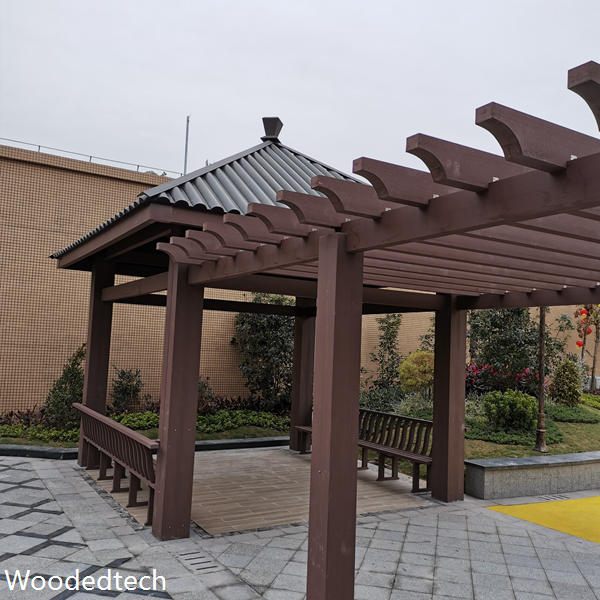
Trends in Pergola Design
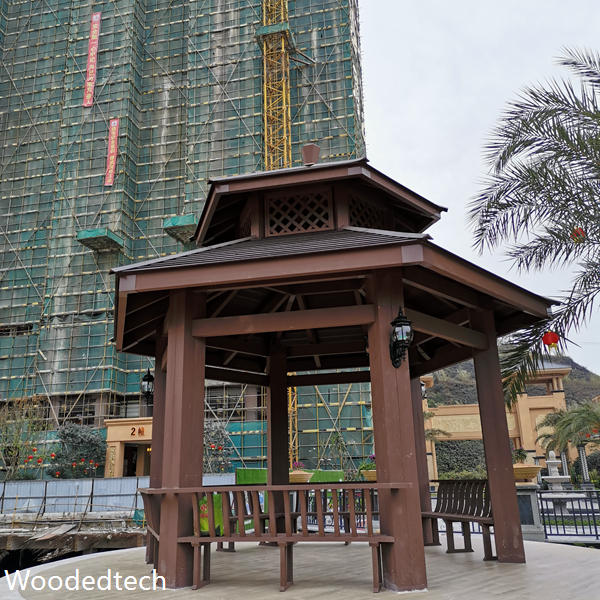
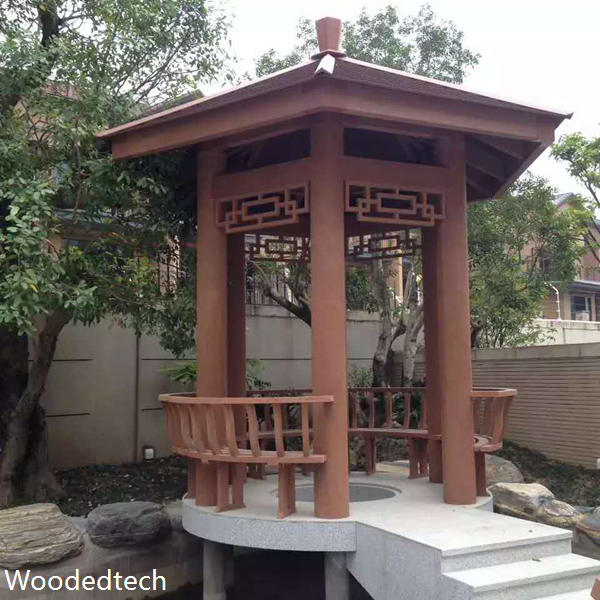
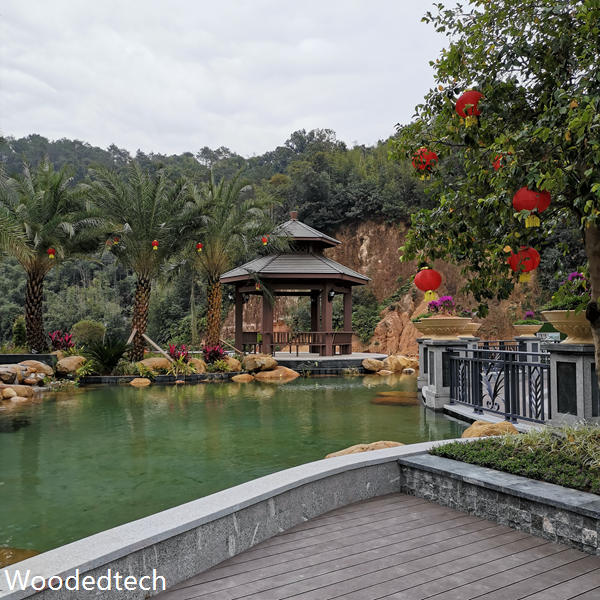
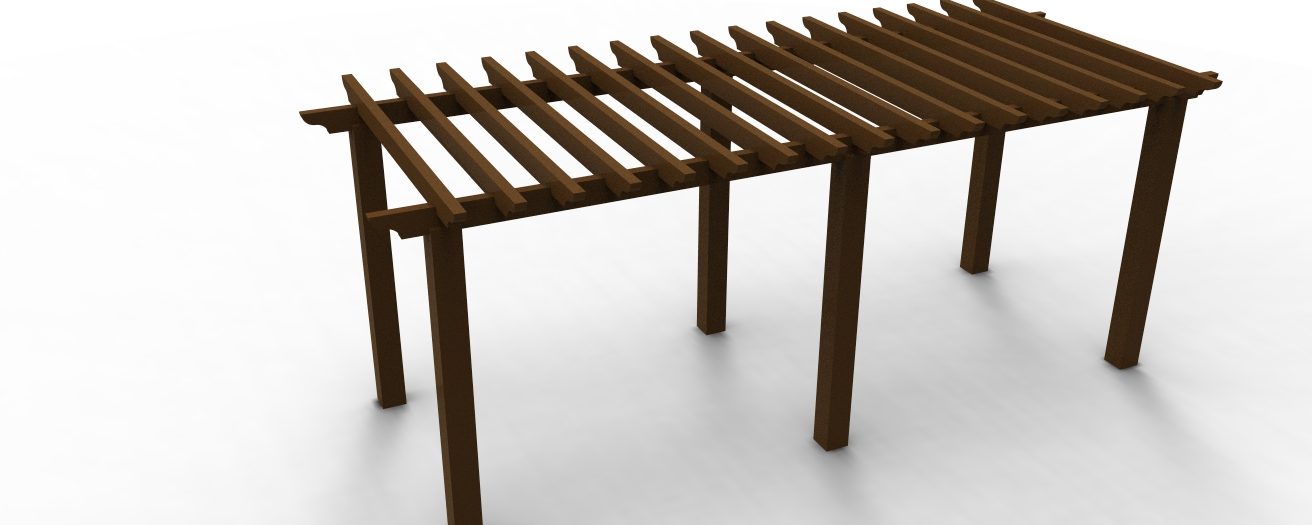
De nieuwste kunststof kunststof pergola-ontwerptrends benadrukken niet alleen de functionaliteit, maar ook de duurzaamheid van het milieu.Ontwerpers kiezen steeds vaker voor natuurlijke tinten en texturen die traditioneel hout nabootsen, wat aantrekkelijk is voor consumenten die op zoek zijn naar authenticiteit in hun buitenruimtes.Bovendien sluit het gebruik van gerecyclede kunststoffen in de formulering aan bij de groeiende vraag naar milieuvriendelijke materialen.
Een andere opmerkelijke trend is de integratie van slimme technologie in pergola-ontwerpen.Functies zoals ingebouwde verlichting en geautomatiseerde schaduwsystemen worden populair, waardoor een laag van gemak wordt toegevoegd voor gebruikers.Als formuleringsingenieur informeert het begrijpen van deze trends de ontwikkeling van composieten die geschikt zijn voor dergelijke functies zonder afbreuk te doen aan de prestaties.
Levensduur en duurzaamheid van samengestelde pergola's
Uiteindelijk hangt de levensduur van composiethouten plastic pergola's af van de zorgvuldige selectie en balans van materialen die bij hun productie worden gebruikt.De combinatie van hoogwaardige houtvezels, kunststoffen en additieven verbetert niet alleen de visuele aantrekkingskracht, maar zorgt ook voor veerkracht tegen de elementen.Streven naar duurzame praktijken in materiaalinkoop en -productie zal ook resoneren met milieubewuste consumenten, waardoor de vraag naar deze producten verder wordt gedreven.
Naarmate het tuinontwerplandschap blijft evolueren, zal het voorop blijven lopen op het gebied van samengestelde houtplastic pergola-ontwerptrends, waardoor fabrikanten effectief tegemoet kunnen komen aan de voorkeuren van de consument.Door ons te concentreren op krachtige formuleringen, kunnen we buitenstructuren maken die niet alleen visueel aantrekkelijk zijn, maar ook duurzaam en duurzaam, die voldoen aan de behoeften van moderne tuinen.