Holzhandel WPC Problemen oplossen: Installatie-, kleur- en uitbreidingsproblemen oplossen
Pre-shipment Checks That Prevent Site Failures
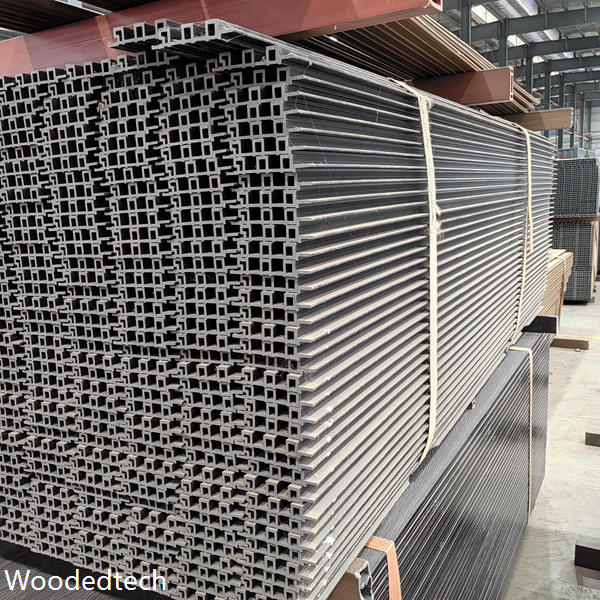
A bowed decking board, uneven colour or a closed expansion joint can trigger an expensive complaint. As a WPC quality inspection supervisor, I start troubleshooting before dispatch. For holzhandel wpc orders, the inspection plan must connect the approved product specification with the climate, intended application and installation instructions supplied to the buyer.
Inspectors select samples across production runs, pallets and extrusion lines rather than checking only accessible boards. Each sample retains its batch reference, profile code and production date. Routine shipment checks are supported by periodic laboratory testing, with additional validation after changes to resin, wood flour, pigment, additives or tooling. Acceptance limits must come from agreed specifications and applicable standards, not generic figures.
Dimensional Accuracy and Expansion Allowances
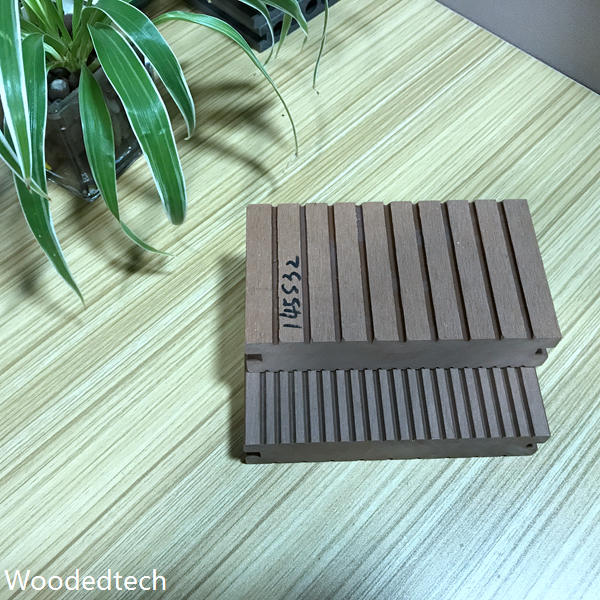
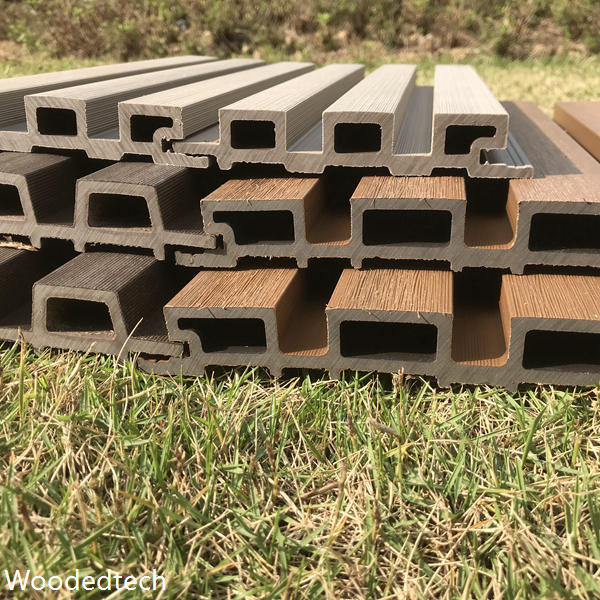
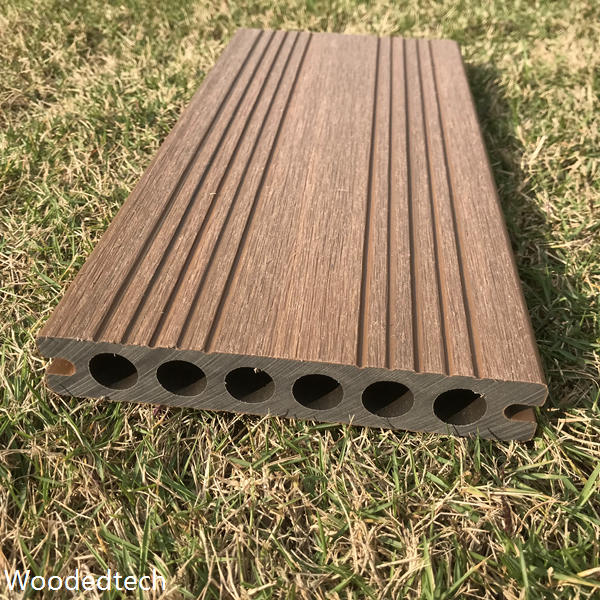
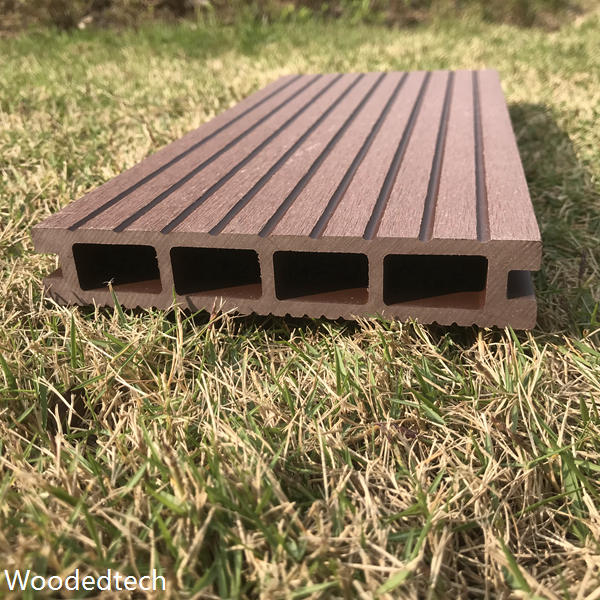
We measure board length, width, thickness, groove position and wall thickness using calibrated equipment after samples have cooled and reached the specified conditioning state. Hollow profiles also require checks on internal webs. Straightness, twist and squareness matter because small variations accumulate across a deck, creating irregular joints, rocking boards or clips that cannot engage correctly.
Thermal movement needs separate assessment. Measurements over a defined temperature range help establish the expansion allowance for the specific formulation and profile. Installation instructions should relate end gaps, perimeter clearances and maximum board lengths to expected temperatures. If joints close on site, compare actual clearances, installation temperature and fixing arrangements with the approved guidance before attributing the problem to manufacturing.
Density and Impact Resistance
Density checks help identify changes in composition or processing, but the measurement method must suit the profile. For hollow decking, dividing mass by the external envelope volume produces a different result from measuring material density. We record the chosen method consistently and compare results with the approved reference. Unexpected variation can indicate inconsistent feeding, moisture, voids or formulation changes requiring investigation.
Impact testing assesses resistance to sudden blows during handling and service. Specimens receive a controlled impact using a defined striker, support arrangement and test temperature. We inspect for cracking, splitting and damage around thin walls or grooves. Results are particularly useful when investigating brittle batches, although passing an impact test does not justify dropping bundles or striking boards during installation.
Water Absorption and Bending Strength
For water absorption testing, conditioned specimens are weighed before immersion and again after the prescribed exposure and surface drying procedure. We also measure thickness swelling where required. Excessive uptake can signal inadequate encapsulation of wood particles, processing defects or an unsuitable formulation. The report must state immersion conditions and duration, since results from different procedures are not directly comparable.
Bending tests measure strength and stiffness using the specified span, loading arrangement and specimen orientation. For decking, the complete profile must support the declared application and joist spacing; material data alone cannot establish a safe installation span. Where sustained loading or elevated service temperatures matter, creep assessment provides additional evidence. Complaints about excessive deflection should prompt checks of support spacing, concentrated loads and board temperature.
Colour Stability and Surface Appearance
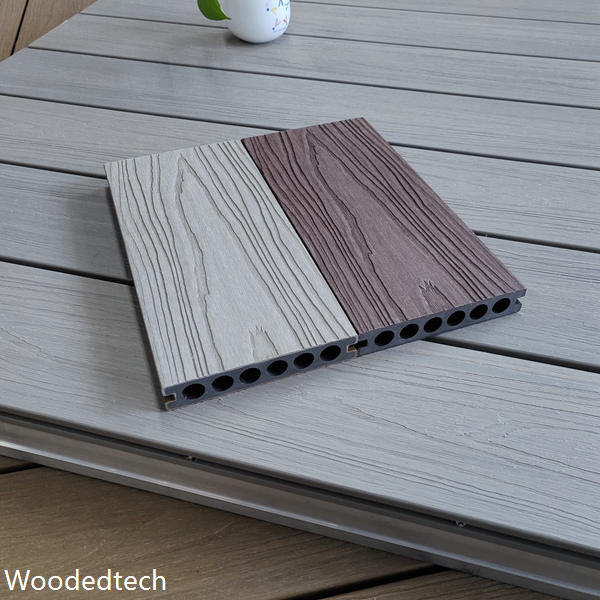
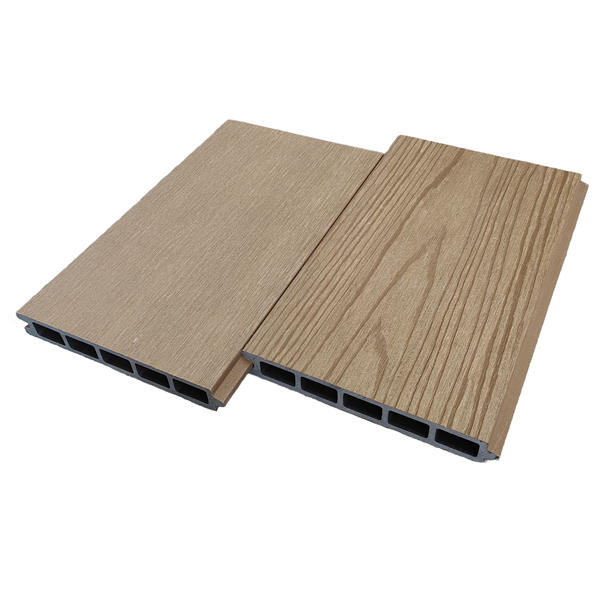
Shipment colour inspection begins with an approved reference and controlled viewing conditions. Instrumental colour measurements can supplement visual assessment, provided the colour difference formula, measurement geometry and acceptance tolerance are agreed. Brushed, embossed and capped surfaces may look different with viewing direction. We compare boards consistently and check several locations to distinguish intended variation from streaking, patchy pigmentation or cap defects.
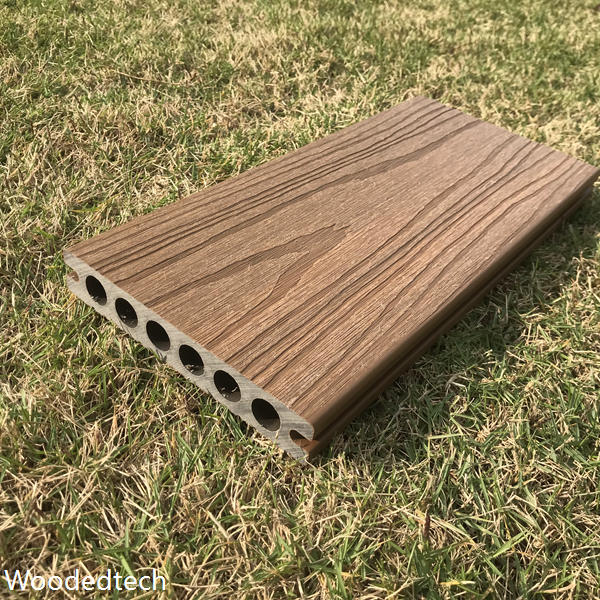
Colour stability requires exposure evidence beyond a dispatch inspection. Accelerated weathering with defined light and moisture cycles helps compare formulations, while outdoor exposure supports assessment under actual conditions. Neither method supports an unrestricted promise against fading. Appearance checks also cover scratches, contamination, blisters, damaged edges and incomplete embossing. Approved cleaning instructions should address dirt or staining before aggressive chemicals are considered.
Shipment Release and Complaint Traceability
Release depends on complete records linking inspection results to the shipment. We check quantities, labels, protective packaging and handling instructions, then confirm that installation documents match the supplied profile. Boards need adequate support during transport and storage to limit distortion. Retained samples and photographs provide useful evidence if a buyer later reports colour differences, cracking or dimensional changes.
A useful after-sales investigation compares site photographs, batch records, retained samples and installation measurements. Manufacturing variation, restricted thermal movement and inadequate support can produce similar symptoms. For holzhandel wpc buyers, a documented inspection trail makes corrective action more precise, whether that means replacing affected boards, correcting fixing details or adjusting production controls before the next shipment.