Bucad Hout Plastic Samengestelde Installatie Diensten Ondersteund Door Betrouwbare Fabriek Productie
Global Demand for Outdoor WPC Products
International demand for wood plastic composite products is moving beyond basic decking. Developers, hospitality groups, housing contractors and public landscape authorities are specifying composite decking, wall cladding, fencing, pergolas and garden structures because these materials offer stable appearance, reduced maintenance and dependable performance in exposed environments. Market growth is particularly visible in coastal housing, urban balconies, leisure parks and commercial terraces, where timber can suffer from moisture, insects, ultraviolet exposure and repeated cleaning.
Regional preferences differ. European buyers tend to prioritise recycled content, fire performance, low maintenance and documented environmental credentials. In the Middle East, heat resistance, colour stability and installation speed are important for hotels, villas and outdoor retail areas. North American projects often demand strong decking systems, privacy fencing and pergolas with clear load information. Southeast Asian and Australian markets place greater emphasis on humidity resistance, drainage and resistance to mould. These differences create opportunities for factories that can adapt formulations, profiles, surface finishes and installation guidance for each market.
Factory Production Sets the Installation Standard
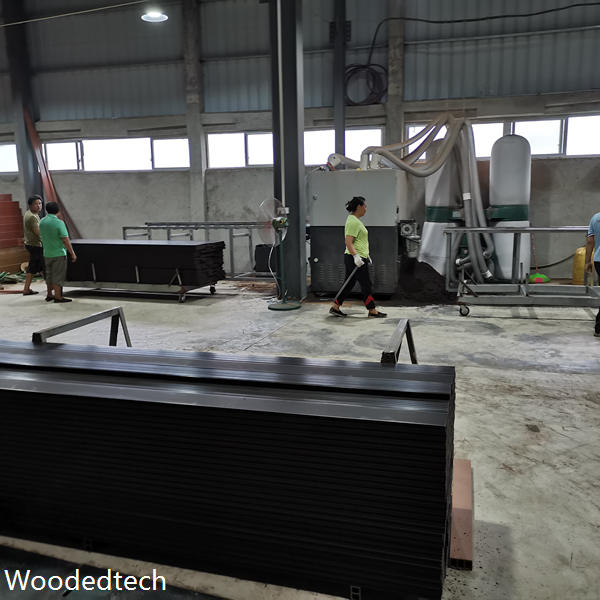
Installation quality depends on more than the skill of a local contractor. Board density, dimensional tolerance, moisture content, screw holding capacity and expansion behaviour all affect the finished result. A reliable factory should control polymer and wood fibre proportions, mixing temperature, extrusion pressure, cooling speed and surface embossing. Consistent production helps installers maintain correct board spacing, clip engagement and subframe alignment across a large project.
Bucad wood plastic composite installation services are supported by factory knowledge that connects product design with site conditions. Technical teams can advise on joist spacing, ventilation gaps, drainage direction, perimeter clearances and fixing selection before materials leave the factory. This reduces common problems such as buckling, squeaking, open joints, uneven colour or water retention. For export buyers, this connection also simplifies communication between the manufacturer, distributor, installer and project owner.
Composite Decking and Wall Cladding Opportunities
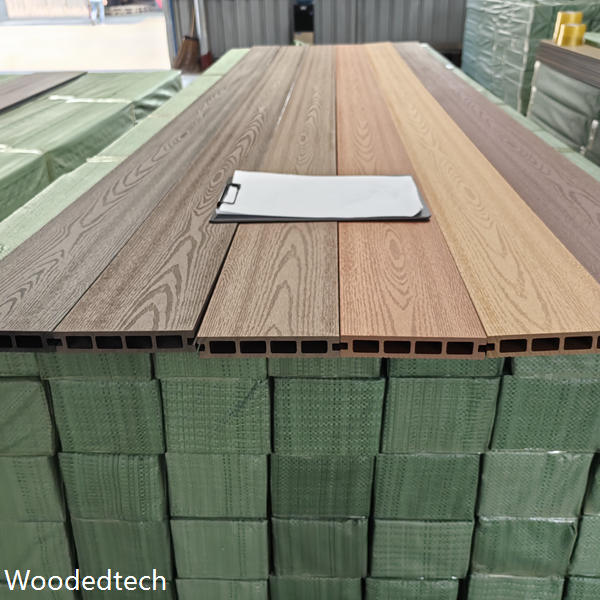
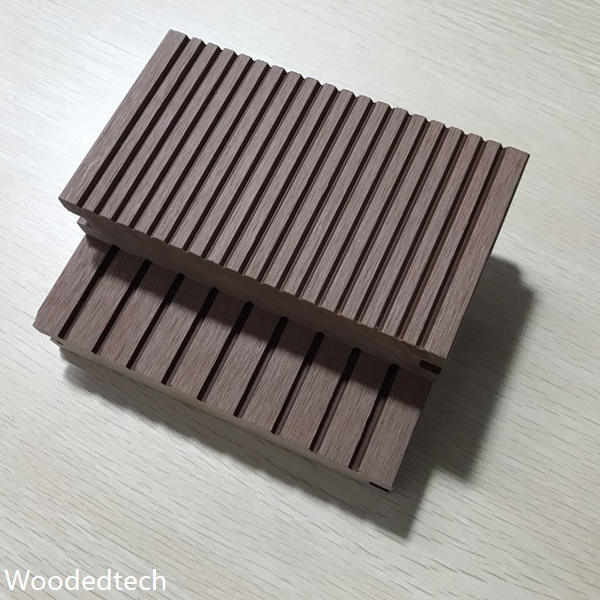
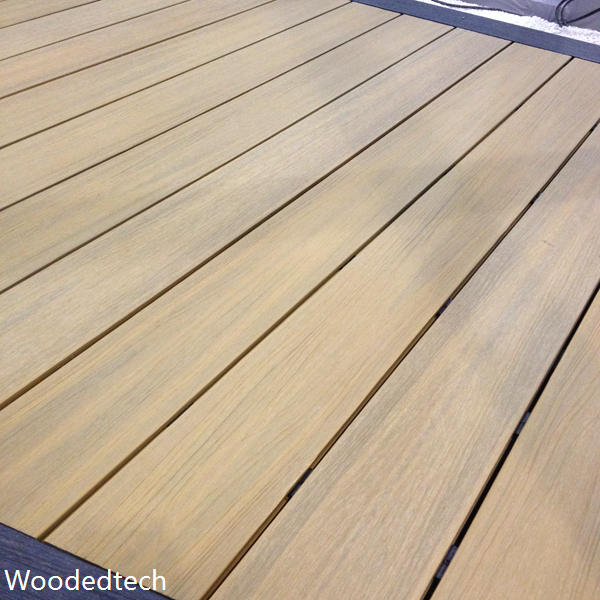
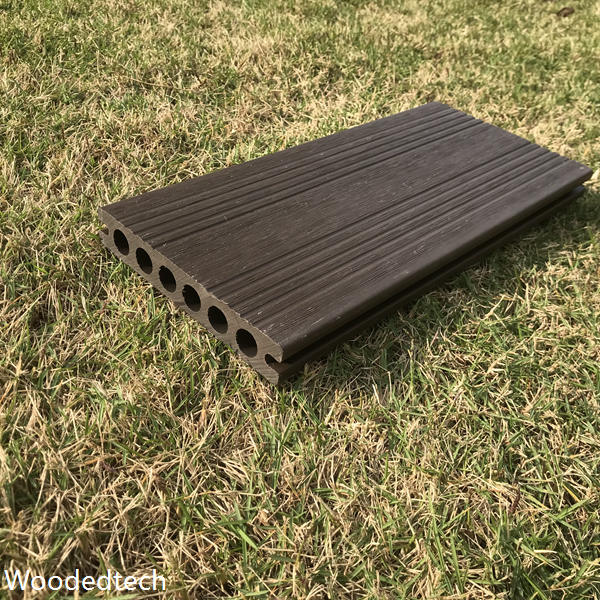
Composite decking remains the largest visible application in many outdoor building material markets, yet demand is shifting towards complete systems rather than loose boards. Buyers increasingly expect matching clips, edge trims, stair details, fascia boards and installation drawings. Factories that supply these components can support faster project delivery and reduce the risk of incompatible accessories. Narrow boards, co-extruded protective layers and realistic timber textures are gaining attention where designers want a refined appearance for hospitality and residential developments.
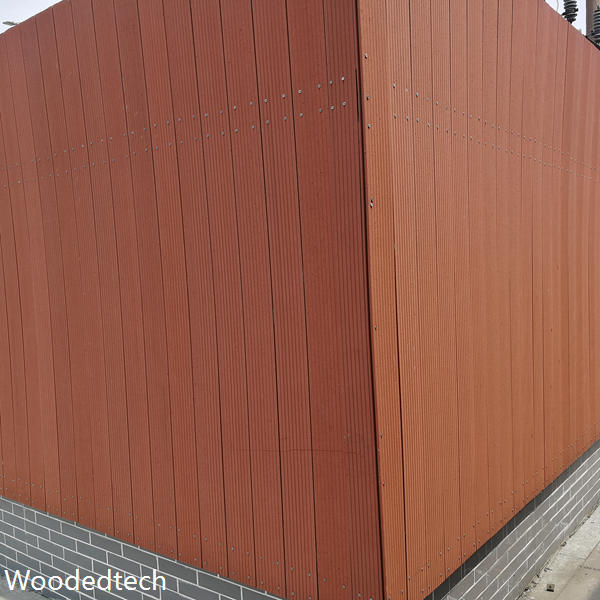
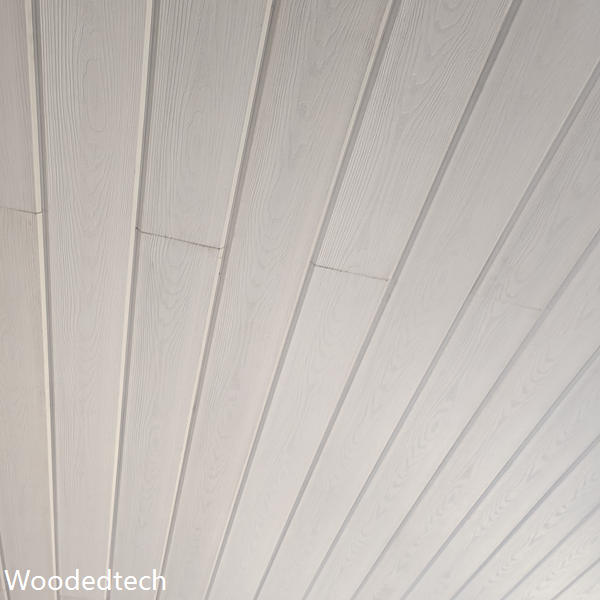
WPC wall cladding is also expanding as architects seek ventilated façades and lower-maintenance alternatives for balconies, garden rooms and feature walls. Cladding systems require more precise consideration of fire classification, fixing rails, wind loading and thermal movement than a simple decorative panel. Suppliers with tested profiles and documented installation details are better positioned to serve international specification work. Coordinated decking and cladding ranges give designers a consistent material language across terraces, façades and entrance areas.
Fencing, Pergolas and Landscape Systems
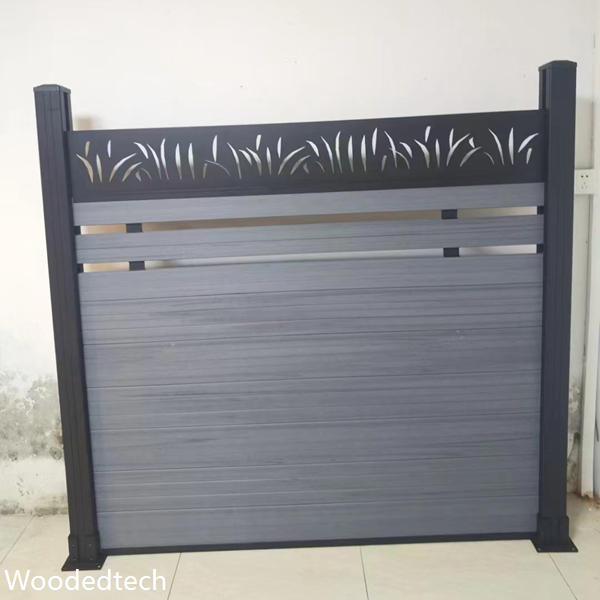
Fencing is developing from a functional boundary product into a designed landscape element. Privacy screens, slatted panels, sound-reducing barriers and mixed-material systems are being used around apartments, restaurants, schools and transport facilities. WPC fencing offers a useful combination of visual consistency and limited repainting requirements, but performance depends on post strength, wind resistance, drainage and the connection between infill boards and metal or composite frames.
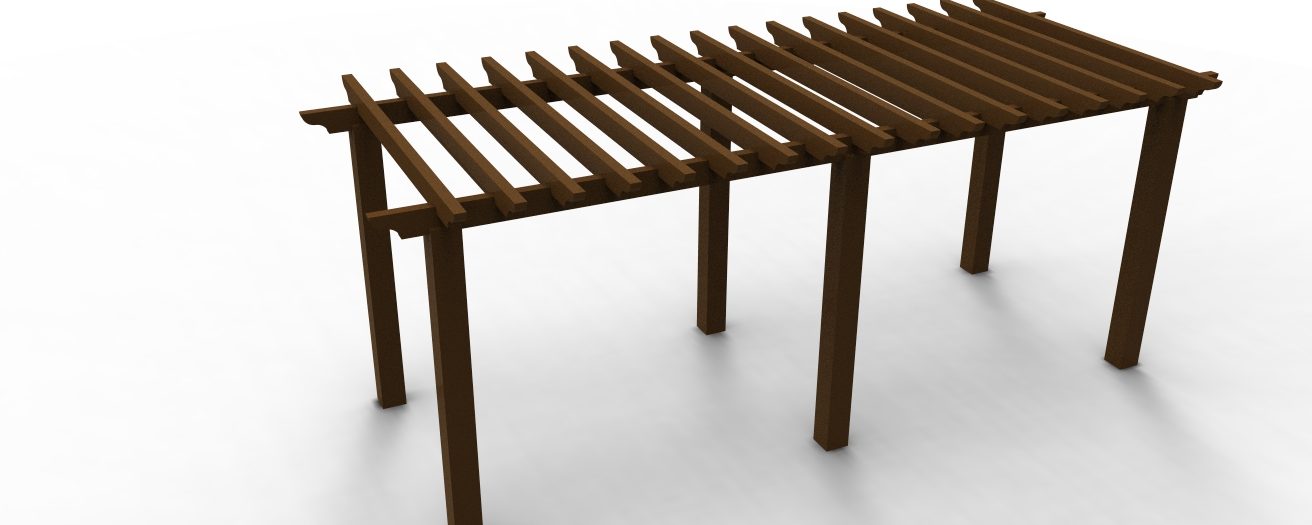
Pergolas, planters, benches, raised beds and pathway edging extend the commercial value of a WPC product range. Landscape consultants increasingly prefer coordinated systems that can be installed by the same contractor and maintained with familiar cleaning methods. In markets with strong outdoor living cultures, pergolas and privacy structures can increase the value of small gardens, roof terraces and hospitality spaces. Factory owners can capture these opportunities by developing modular dimensions, replacement parts, colour families and clear load guidance for regional building practices.
Future Market Advantage Through Technical Service
Future growth will favour suppliers that combine manufacturing discipline with practical support after delivery. International buyers are examining recycled polymer sources, wood fibre traceability, packaging efficiency, product lifespan and the availability of replacement boards. They also need reliable export documentation, stable lead times and packaging that protects long profiles during container handling. A factory that measures batch consistency and records quality data can provide stronger assurance to distributors and large contractors.
For market expansion, Bucad can strengthen its position through installation training, regional demonstration projects, digital specification files and multilingual technical documentation. Local partners should receive guidance on cutting, drilling, subframe preparation, expansion joints and maintenance inspections. This service model is valuable in emerging markets, where installers may be familiar with timber but less experienced with composite movement and concealed fixing systems. As climate exposure becomes more demanding and buyers seek lower-maintenance outdoor materials, manufacturers that support the full project lifecycle will gain trust from architects, contractors and international distributors.