WPCウォールPVCウォールパネル設計コンテンツが購入者の質問に答える
Start with the Material and Application Brief
As an OEM customisation specialist in a WPC factory, I start each wall panel enquiry with the installation environment, target market and expected service conditions. Buyers searching for wpc wall pvc wall panel design often compare products with similar appearances but different compositions. WPC describes a wood and polymer composite, while PVC panels may contain no wood. These distinctions affect weight, machining, thermal movement and suitable applications.
Before recommending a profile, we establish whether the project involves an interior feature wall, a sheltered commercial entrance or an exposed façade. We also request drawings, intended fixing methods and local compliance requirements. A decorative interior panel should never be offered for exterior use solely because its colour matches the architect’s specification.
Profile Dimensions That Support Installation
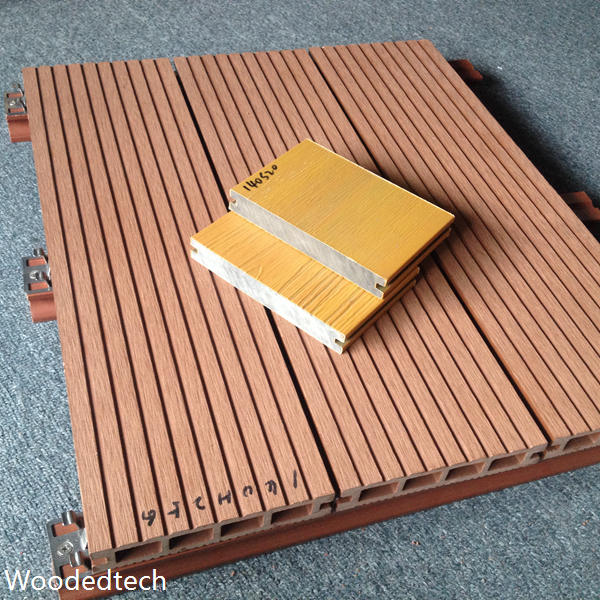
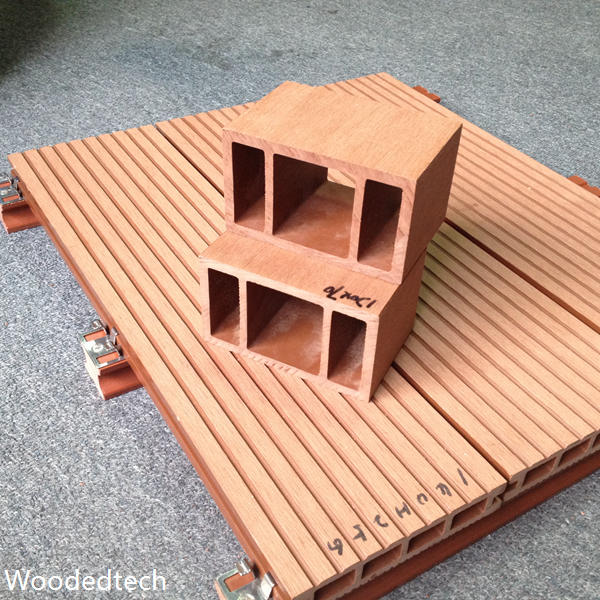
Custom dimensions begin with useful coverage width, overall depth, rib spacing and joint geometry. A narrower profile can suit detailed retail interiors, while wider boards may reduce installation time across large walls. We assess wall thickness, reinforcement ribs and clip engagement together, since changing one feature can affect extrusion stability, material consumption and fixing performance.
Where existing tooling meets the brief, adjusting cut lengths may provide a practical solution without new die investment. A completely new cross section requires drawing approval, tooling development and extrusion trials. We confirm dimensional tolerances and inspect trial pieces before production approval. For long panels, the installation specification must also accommodate temperature related movement and the support spacing appropriate to the selected system.
Colours and Textures Buyers Can Approve
Colour approval should rely on physical samples viewed under agreed lighting. Screen images are useful for shortlisting, but they cannot reliably represent undertones, gloss or embossed depth. Depending on the product construction, we can assess integral pigmentation, decorative films, brushed finishes or embossed surfaces. Each option has different implications for scratch visibility, cleaning, colour consistency and exposure resistance.
For wood effects, buyers should approve both the shade and the pattern variation. A convincing oak appearance may look inconsistent if every board repeats an identical grain placement. We retain an approved reference sample and agree acceptable batch variation. Where outdoor exposure is intended, any colour retention claim should be supported by relevant testing for that specific formulation and surface construction.
Packaging and Branding for Export Orders
Packaging design follows the panel’s vulnerable features and the customer’s distribution route. Project cartons, mixed retail orders and full container shipments place different demands on protection. We evaluate separators, corner protection, carton strength and pallet support to reduce rubbing, crushed edges and bending. Pack quantities must also suit handling limits at the destination, particularly where installers unload panels manually.
Private label programmes can include printed cartons, product labels, installation leaflets and customer specific product codes. Artwork approval covers language, dimensions, batch identification and any required importer information. We verify that barcode data matches the buyer’s system before printing. Protective film requires its own checks because unsuitable adhesive or excessive storage time can leave residue on decorative surfaces.
Special Applications Need Documented Performance
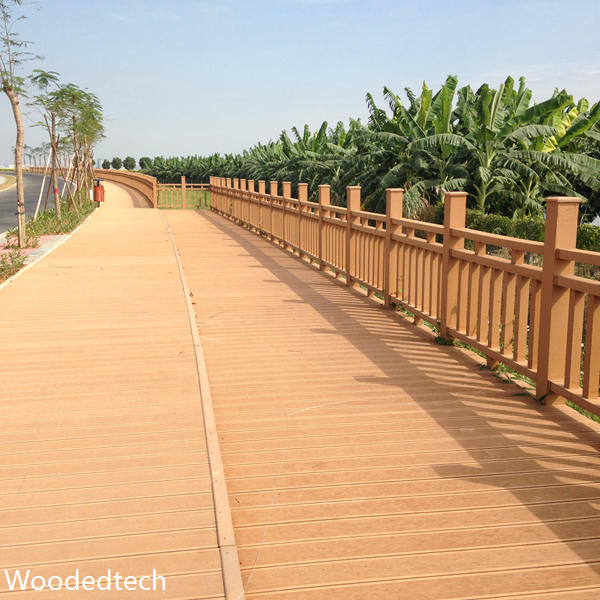
Hotels, bathrooms, transport interiors and external walls cannot share one generic specification. A bathroom lining needs attention to joints, penetrations, substrate suitability and cleaning chemicals. Exterior cladding requires assessment of weather exposure, fixing design and applicable façade rules. Fire classifications must correspond to the tested product and assembly, including substrate and installation conditions, rather than being borrowed from another panel family.
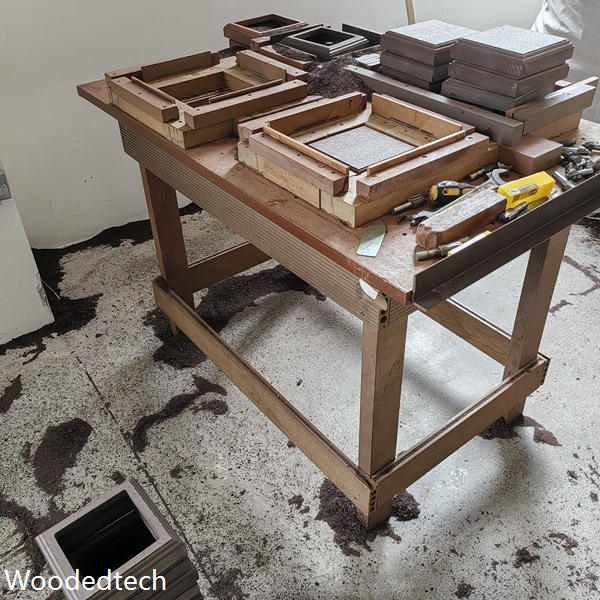
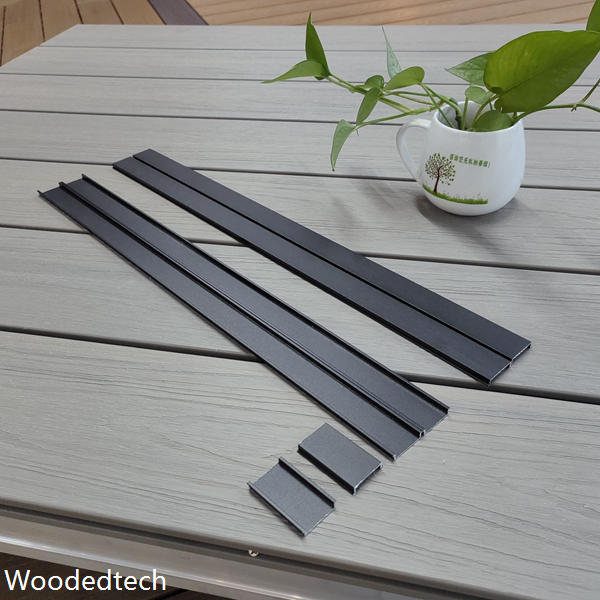
For unusual applications, we review the complete detail with the buyer’s technical team. Curved walls, concealed lighting and service access can require modified profiles or separate accessories. We also clarify whether claims concern the panel alone or the finished wall system. Moisture resistance, for example, does not make an entire installation waterproof without suitable detailing around joints and openings.
From Approved Samples to Repeat Orders
A workable OEM order needs an agreed specification covering composition, dimensions, finish, packaging and inspection criteria. We confirm minimum order quantities, tooling responsibilities, sample approval stages and production lead times before accepting the schedule. Initial production checks compare the manufactured panels with approved references, while traceable batch records help investigate any later variation.
Repeat orders benefit from retained samples, controlled colour references and clear revision records. If a distributor changes its carton artwork or an installer requests a revised clip, that change should be documented before production. We supply handling and installation guidance matched to the product, giving sales teams and after-sales staff a consistent basis for supporting customers across different markets.