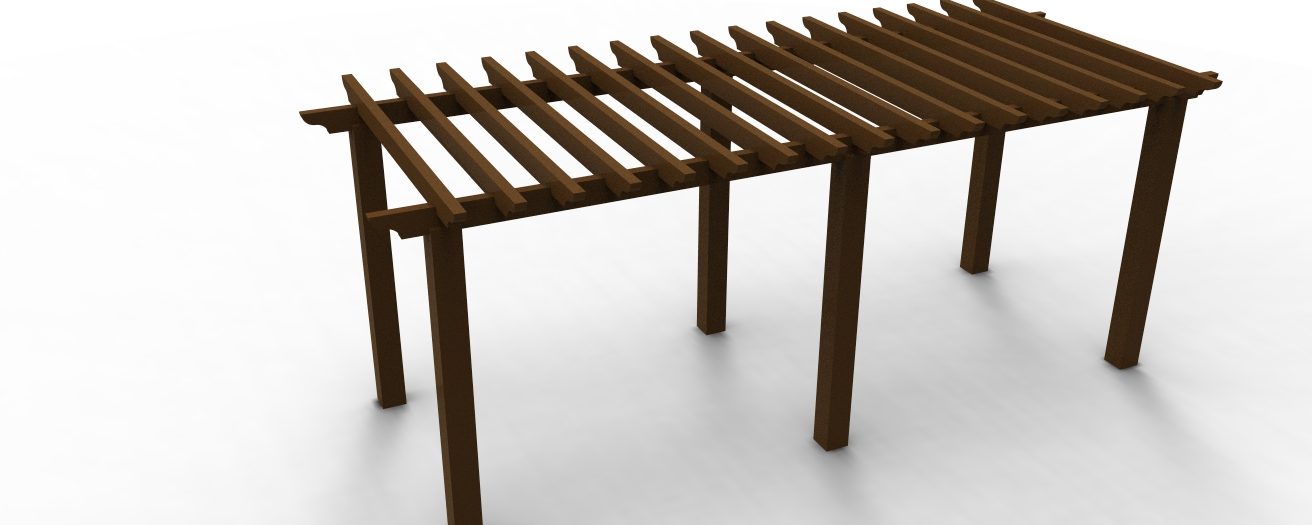
Which is better bower polymer wood vs traditional wood for gardens

WPC Profile Designs and Their Impact

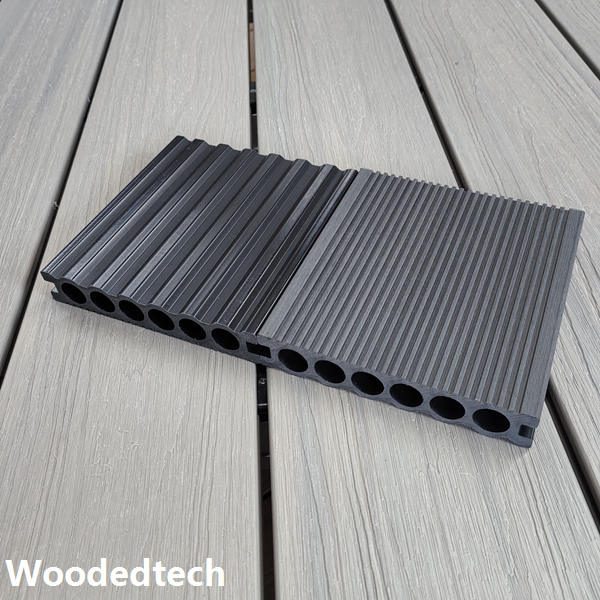
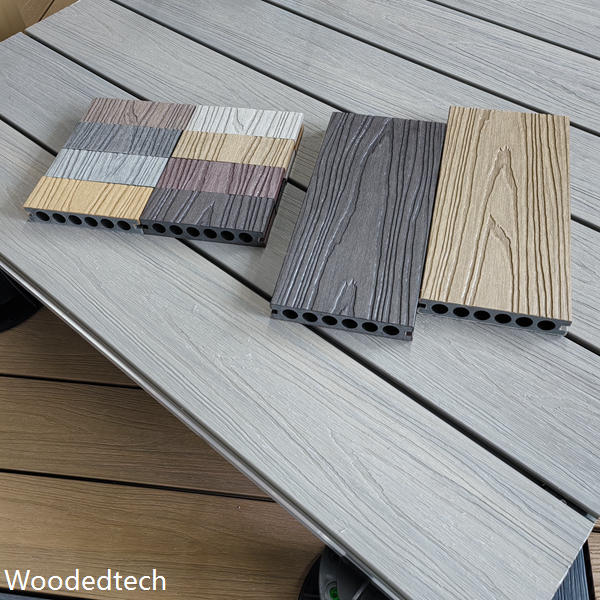
When comparing bower polymer wood to traditional wood for garden applications, one must consider the intricacies of WPC (wood-plastic composite) profile designs. The advancements in extrusion technology allow us to create profiles that are not only aesthetically pleasing but also structurally sound. Hollow structures can significantly reduce weight, making installation easier and less labour-intensive. These lightweight profiles provide an excellent alternative to traditional wood, which can be cumbersome and more challenging to handle. Moreover, the hollow design can be oriented to enhance strength where it is most needed, ensuring that the material can withstand environmental stresses.

In contrast, solid structures in WPC offer their own set of advantages. They tend to exhibit better load-bearing capacities and can be used in applications where strength is paramount. Solid profiles may also provide a more traditional wood-like feel, appealing to those who appreciate the aesthetic of natural wood while seeking the durability of a composite material. The choice between hollow and solid structures often depends on the specific requirements of the garden project, including anticipated loads and design preferences.

Rib Designs for Enhanced Strength

The use of rib designs in WPC profiles can further optimise the strength-to-weight ratio of the material. Ribbing, when strategically placed, can enhance the structural integrity of the profiles, allowing them to bear larger loads without adding unnecessary weight. This can be particularly beneficial in garden applications where materials are subject to varying environmental forces, from the weight of snow to the lateral forces caused by wind. Such design innovations represent a shift away from traditional wood, which lacks such engineered solutions.

In traditional wooden structures, achieving similar strength often requires thicker wood or additional bracing, which can add to both the weight and the cost of the project. The introduction of rib designs in WPC not only improves performance but also aligns with the growing demand for sustainable and efficient building materials. By reducing the amount of material needed while maintaining strength, WPC offers an environmentally friendly alternative that can also be more cost-effective.

Surface Patterns and Aesthetic Appeal

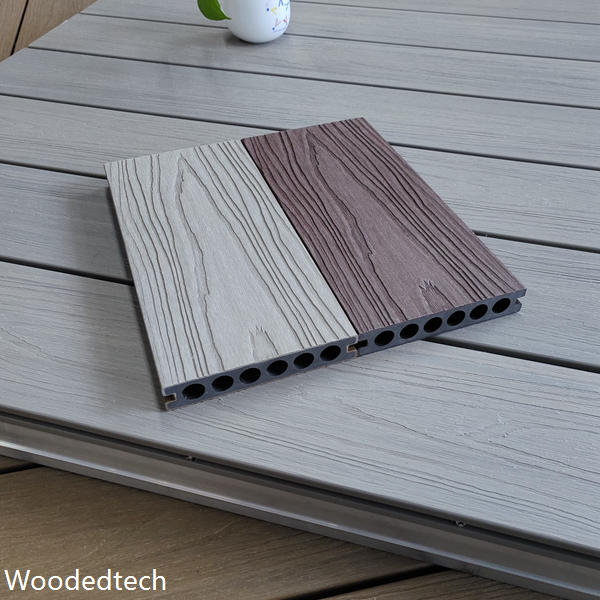
Surface patterns are another significant aspect where bower polymer wood outshines traditional wood. The ability to create various textures and finishes allows for a greater range of aesthetic options without compromising functionality. Whether one desires a smooth finish or a wood grain texture, WPC can be manufactured to meet those needs, providing a visual appeal that rivals that of natural wood.

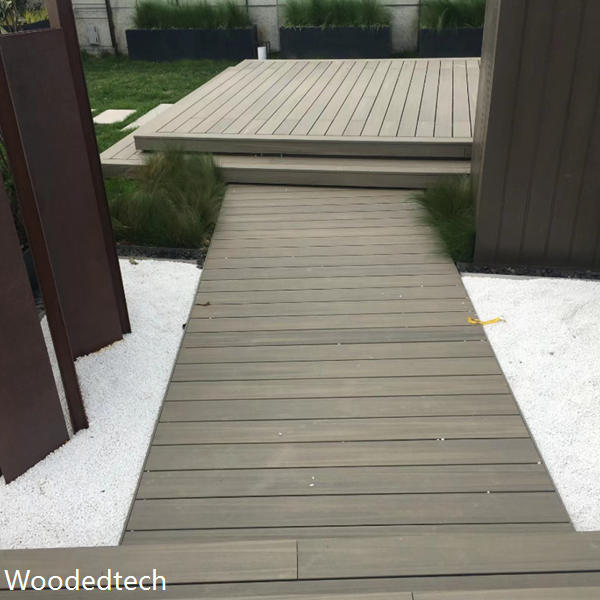
This versatility in surface design can enhance the garden’s overall appearance, making it more inviting and visually appealing. Unlike traditional wood, which may require regular treatment to maintain its appearance, WPC’s surface is designed to withstand the elements without fading or warping. This not only conserves resources but also reduces maintenance costs over the lifecycle of the product.

Cost Considerations and Installation Performance

When evaluating the cost implications of bower polymer wood versus traditional wood, it is essential to consider not only the initial material costs but also the long-term savings associated with durability and maintenance. WPC offers a longer lifespan due to its resistance to rot, insects, and UV damage, which means fewer replacements and repairs over time. While the upfront investment in WPC may be slightly higher than that of traditional wood, the lifecycle cost benefits often make it a more economical choice.

Installation performance is another critical aspect where WPC excels. The uniformity of WPC profiles allows for straightforward installation processes. Unlike traditional wood, which can warp or split, leading to complications during installation, WPC maintains its shape and dimensions, resulting in a smoother, quicker project completion. This efficiency can translate into lower labour costs and reduced time on site, making it an attractive option for contractors and DIY enthusiasts alike.

Sustainability and Environmental Impact

The environmental considerations surrounding the choice between bower polymer wood and traditional wood are becoming increasingly important. WPC is often made from recycled materials, contributing to a more sustainable building practice. This contrasts with traditional wood, which relies on the harvesting of trees and can contribute to deforestation if not sourced responsibly. By opting for WPC, garden designers and homeowners alike can make a positive impact on the environment while still achieving the desired look and functionality in their outdoor spaces.

As sustainable building materials continue to gain popularity, WPC stands out as a viable option that marries durability, aesthetic appeal, and environmental responsibility. The transition from traditional wood to bower polymer wood not only enhances garden designs but also aligns with the contemporary emphasis on sustainability in construction.

類似投稿