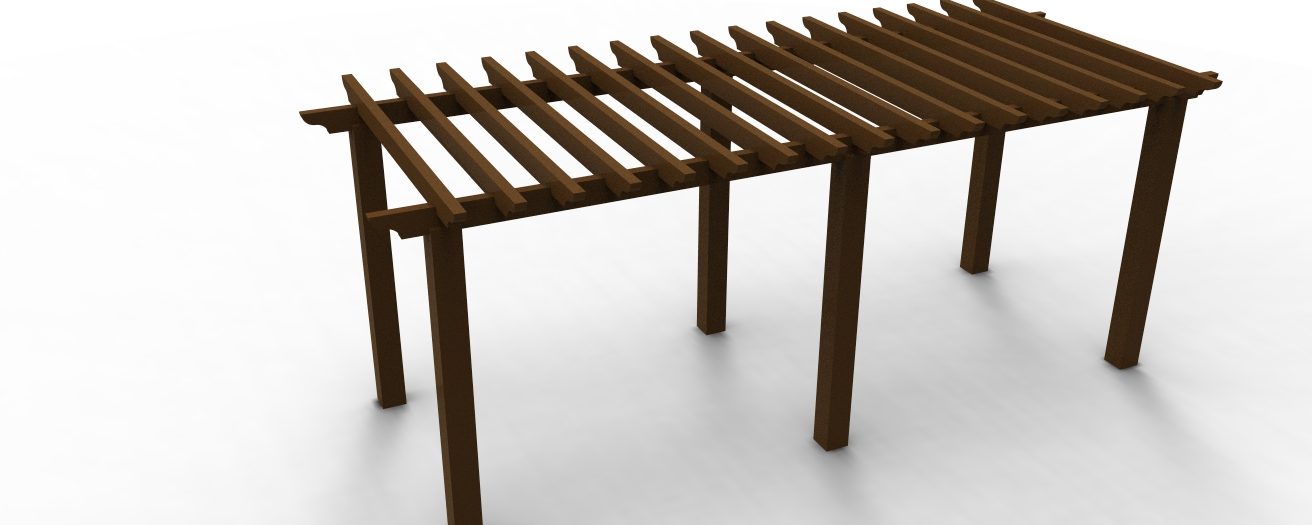
造園用ウッドポリマーガーデンアーチキットはどのようなものですか
Wood Polymer Garden Arch Kits Overview
Wood polymer garden arch kits have gained popularity among landscape architects and designers, offering a unique blend of aesthetics and functionality for outdoor spaces. These kits, constructed from a composite material that combines wood fibres with polymers, deliver the visual appeal of traditional wood while enhancing durability and reducing maintenance requirements. The use of such materials allows for beautiful garden arches that can withstand varying weather conditions without succumbing to rot, warping, or insect damage.
Landscape designers appreciate the versatility of wood polymer products, which can be tailored to various architectural styles and garden themes. The lightweight nature of these kits makes them easy to install, allowing for creative flexibility in design layout. They provide a perfect structure for climbing plants, enhancing any garden with an organic touch while ensuring longevity.
Design Considerations for Landscape Architects
When incorporating wood polymer garden arch kits into landscaping designs, architects must consider the overall aesthetic of the environment. The colour and finish of the materials can significantly impact how the arch interacts with existing plants and structures. Choosing a natural wood finish can create a harmonious look, blending seamlessly with the surroundings. Alternatively, opting for brighter hues can add a focal point in a more contemporary setting.
Moreover, attention should be given to the scale of the arch in relation to other garden elements. A well-proportioned arch can enhance the structure of the garden and guide visitors through the landscape. Architects often evaluate the intended use of the arch, whether it will serve as an entryway, a decorative feature, or a support for climbing plants, thus determining its design and placement strategically.
Durability and Maintenance of WPC Products
The durability of wood polymer garden arch kits stands out as a significant advantage. Unlike traditional wooden arches, which may require regular treatments and maintenance to prevent decay, WPC materials are designed to withstand weather extremes, ensuring that the structure remains intact for years. This is particularly beneficial in regions with high humidity or fluctuating temperatures, which often compromise conventional wood.
Maintenance is minimal, primarily involving occasional cleaning to remove dirt or debris. This low upkeep makes wood polymer garden arch kits a wise investment for both residential and commercial landscaping projects, allowing gardeners and property developers to allocate resources more effectively.
Eco-Friendly Aspects of WPC Materials
With increasing emphasis on sustainability in construction and landscaping, the eco-friendly nature of wood polymer composites is a significant selling point. These materials are often produced using recycled wood and plastic, contributing to waste reduction and promoting a greener environment. Landscape architects can feel confident in recommending these kits, knowing they align with contemporary environmental standards.

Furthermore, as clients become more environmentally conscious, incorporating sustainable materials in designs can enhance the appeal of a project. Using wood polymer garden arch kits sends a clear message about the commitment to sustainability, which can resonate well with buyers and end-users alike.
Material Selection Advice
Selecting the right wood polymer garden arch kit involves several considerations. Architects and landscape designers should evaluate the thickness and quality of the materials as these factors influence the arch’s structural integrity. Consulting with suppliers who provide detailed specifications can ensure that the chosen kit meets the project’s demands.

Additionally, it is wise to consider colour options and finishes that complement the natural environment. Customisation options may also be available, allowing for bespoke designs that reflect a client’s vision or brand. Ensuring that the arch kit meets safety standards and local building codes is equally essential, safeguarding the integrity of the design as well as its users.